

About
Waveplates/Retarders |
Precision Optics |
Custom Optics |
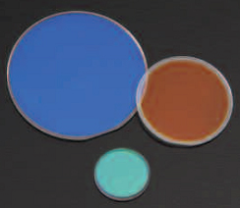
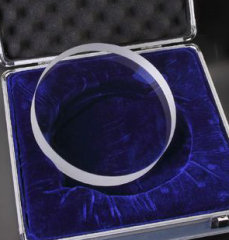
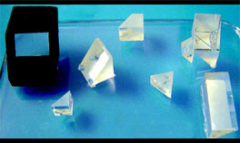
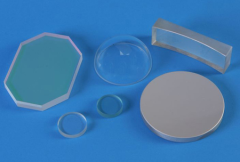
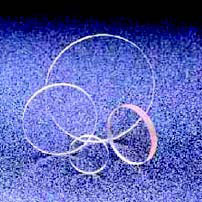
Tower Optical Corporation is a premier manufacturer and producer of high quality precision optics and assemblies. Tower's stock and "build to spec" custom products are used in leading-edge photonics technology, electro-optics, lasers, telecommunications, medical instruments, optical imaging, machine vision and optical computing. Products include crystal quartz Waveplates and achromatic Waveplates (retarders) lenses, filters, polarizers, prisms, beamsplitters, windows, optical flats and mirrors.
Tower customers represent a broad variety of companies and industries including military, aircraft, aerospace, medical, industrial, university researchers and key U.S. Department of Defense contractors. Tower is registered with the U.S. State Department to obtain export licenses and is ITAR compliant.
Tower optical is a service disabled veteran owned small business (SDVOSB) cage code 1N2U3.
Tower is ISO certified for ISO 9001:2008 and SAE 9100 Rev B compliant.
Tower prides itself on its short lead times, quality products and competitive pricing.
Supplier Directory Categories






Technical Articles


