How Automation Is Changing 3D Printing
Featured Product from BigRep
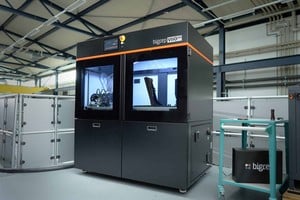
Industrial-scale, fused filament fabrication (FFF) print jobs routinely run 12, 24, or even 48+ hours. At that scale, requiring an operator to supervise the machine is a serious bottleneck. Unattended 3D printing doesn't mean leaving a machine running and hoping everything works out. It means putting the right systems in place so the printer can keep producing parts without constant operator intervention.
When common failure points are addressed, large-format printers can continue running overnight, through shift changes, and across weekends with a much higher level of reliability.
Key Takeaways
Unattended printing requries a number of contingencies in place for common failure modes. Filament running out, extruders clogging, calibration shifts, and more can all threaten an overnight, unmonitored print. Automation thus requires features like automatic filament reloads, backup extruders, auto-calibration, and similar. While there will always be challenges that require human intervention, these redundancies, together with more robust software and monitoring tools, can make automated printing a reality for the organizations that require it.