

Customer-Supplied Housing Feedthroughs
Service Detail from Douglas Electrical Components
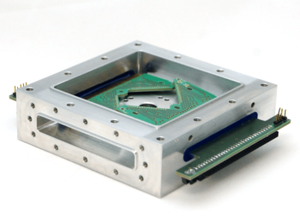
In many mature industries, existing system designs and component footprints are irreversible. When upgrading or adding instrumentation to these legacy systems, integrating a reliable electrical connection poses a severe mechanical challenge. Douglas Electrical Components addresses this bottleneck with extreme design flexibility, manufacturing hermetic electrical feedthroughs directly into cast or customized housings using proprietary epoxy technology.By potting components directly into the existing hardware, this method creates a lightweight, low-profile, and hermetically sealed connection that completely blocks liquids and gases without forcing an expensive, top-to-bottom equipment redesign.The Power of Epoxy Bonding TechnologyTraditional hermetic sealing technologies often rely on high-temperature processes that limit material compatibility. In contrast, Douglas’s specialized epoxy requires no such high-heat cycles. It is highly chemically resistant and forms a powerful bond with a broad spectrum of housing materials, including:Stainless steel and brassCast or machined aluminumHigh-performance plasticsSpecialized metallurgical alloysA premier real-world application for this technology is industrial fuel pumps. Whether an engineer needs to supply power directly to the pump motor or integrate sensor instrumentation to monitor fluid level, temperature, or fuel quality, a direct-cast feedthrough creates a flawless internal seal. This ensures that both new OEM manufacturing runs and field retrofits remain seamless and non-disruptive to the underlying layout.Core Features and Integration VersatilityDirect-cast feedthroughs excel because they accommodate complex geometry while maintaining sealing integrity. Key product capabilities include:Complex Geometry Sealing: Easily seals directly into cast or intricately machined housings.Conductor Variety: Accommodates virtually any electrical or data line, including discrete wires, multi-conductor cables, terminals, pins, flex circuits, and optical fibers.Hybrid Designs: Allows engineers to mix and match different connection styles on the inside and outside of the assembly, resulting in a true plug-and-play solution.Space and Weight Efficiency: Fits into highly confined spaces where heavy, bulky traditional connectors fail to meet design constraints.Strategic Trade-offs: Pros and ConsWhile direct-cast designs offer unmatched physical advantages, they require specific manufacturing considerations:The Advantages: It offers the lowest spatial profile and lightest weight among all housing types. Because it interfaces directly within existing hardware, it saves businesses the immense engineering costs of redesigning legacy systems.The Disadvantages: The primary constraints involve complex shipping/handling logistics of the raw housings and production scale. Due to tooling and setup, it is generally cost-prohibitive and not recommended for ultra-low production volumes.Frequently Asked Performance MetricsPressure Capacity: Depending on the specific customer application, Douglas hermetic epoxy designs can withstand extreme environments up to 15,000 PSI (1,000 bar).Volume Viability: While heavily utilized in original equipment manufacturer (OEM) high-volume lines, interested parties should consult technical sales engineers to evaluate the financial viability of mid-to-low volume projects.