How blocking distance affects pressure measurement
Featured Product from Endress + Hauser – Sensors & Components
Problems usually don’t disappear if you just ignore them. In the case of applying the correct blocking distance, however, this is strangely true.
To understand blocking distance, it is important to know the Time-of-Flight principle. This principle is based on the time difference between the emission of a signal and its return to the sensor, after being reflected. Our radar sensor the UTR30 uses the same principle to measure level. Sometimes the signal is reflected by something other than the medium. This happens if there is an obstruction in the way that causes an unwanted reflection such as heating coils. In simple words, the blocking distance tells the radar to ignore the signals coming back from that region. Accordingly, the actual measuring range starts below the blocking distance. So, blocking distance enables a wide range of possibilities such as environments with a high level of susceptibility to interference. It also gives you the option of using the radar even in?demanding?mounting constellations?like tank nozzles.?
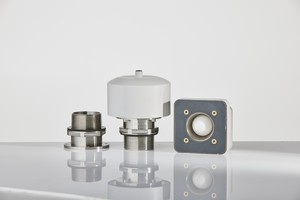
With the free-radiating radar module UTR30, we offer you a real all-rounder, which is suitable for level monitoring. Our radars like the UTR30 allows the user to individually define and set?the blocking distance parameter.
If you want to find out more visit our website or feel free to contact us. Call @ 317-535-2774 or send an email to sensors-components.pcm@endress.com