Converting DC to AC: Basic Principles of Inverters
Featured Product from FCL Components America
The rise of electric cars and renewable energy sources such as wind generators and solar farms, as well as battery backup systems, AC motor variable speed drives, and industrial manufacturing equipment, are all feeding growing demand for inverters, according to a recent article in Control Automation.
Inverters are the modern way to turn direct current (DC) and turn it into alternating current (AC). So a home with solar panels on the roof, for example, is taking the DC energy those panels produce and converting that energy into the AC power used in the home.
These solid-state devices include no moving parts, making them more reliable and efficient. Inverter design can be quite complex, and can even be tuned to offer the highly clean, reliable power essential for extending the lifespan of sensitive electrical equipment.
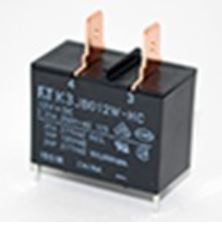
Relays help make inverters perform safely, protecting electronic equipment and the electric grid. FCL Components offers a broad range of power relays, such as FTR-K3 series, for use in inverters. Read more about the FTR-K3 series in our next post!