Dielectric Materials for RF & Aerospace
Featured Product from General Plastics Manufacturing Co.
In the aerospace and RF industries, materials need to provide strength and stability under pressure. Polyurethane dielectric foam for aerospace meets these requirements with dependable performance. It supports systems that depend on radio frequency transmission while maintaining durability and precision. As technology becomes increasingly complex, engineers seek materials that can accomplish more. Dielectric foam meets this demand.
Aerospace companies encounter various design challenges. High altitudes create extreme temperature changes. Parts must endure without losing strength or signal clarity. RF systems operate effectively in noisy environments and require clean, stable signals. Without the right materials, performance suffers. Polyurethane dielectric foam addresses this issue by combining structure with excellent dielectric properties.
Durability is essential in these industries. Failures can lead to system breakdowns, costly delays, or safety risks. Dielectric foam materials must retain their shape, resist weathering, and uphold electrical performance. Polyurethane dielectric foam reliably and consistently achieves this, even in demanding environments.
What Is Polyurethane Dielectric Foam?
Polyurethane dielectric foam is a closed-cell material that insulates against electricity. It offers physical support and electronic stability. Aerospace engineers use it where reliability is crucial.
The material’s dielectric features include a low dielectric constant and a low loss tangent. These features reduce signal loss and promote clean RF transmission. It prevents unwanted energy loss and interference, helping to keep systems stable.
This type of polyurethane foam is found in many aerospace and RF parts. Engineers use it in radomes, antenna housing, aircraft insulation, and sensitive components, and it delivers strength and precision in each application.
LAST-A-FOAM polyurethane dielectric foam holds its shape during machining. It conforms to complex designs without cracking or losing density. These qualities make it a reliable solution in both early prototypes and final builds.
Durability Demands in Aerospace and RF Applications
Dielectric materials in aerospace and RF applications must endure tough environments while maintaining their electrical performance. Polyurethane dielectric foam meets these challenges by providing strength, stability, and insulation.
Aerospace environments have rapid altitude changes, heavy vibrations, and extreme temperature shifts. Each of these conditions stresses the performance of materials. RF systems introduce another issue: they require minimal signal interference under severe external conditions.
Humidity, moisture, and exposure to chemicals can harm unprotected materials. Polyurethane dielectric foam resists these environmental threats. Its closed-cell structure prevents water infiltration. Its stable composition stops chemical damage from fuels, oils, and industrial fluids.
UV exposure also weakens many materials over time. With built-in UV resistance or extra surface coatings, this foam continues to perform well in sunny conditions. Aircraft exterior and interior components stay safe and functional.
Weight is another important factor. In aerospace, every extra gram affects fuel efficiency and performance. Engineers prefer materials that are both strong and light. Polyurethane foam for aerospace achieves this balance, offering structure without unnecessary weight.
The foam also meets strict flammability and smoke emission standards set by the FAA. It resists catching fire and reduces flammable fumes. These safety features make it suitable for use in cabins and other high-risk areas.
How Polyurethane Dielectric Foam Meets Durability Needs
Polyurethane dielectric foam can handle stress from various sources. It manages compression without losing its shape. It also absorbs impact and continues to perform well, even after prolonged use.
The foam remains stable around chemicals. It does not degrade when exposed to oils, fuels, and industrial cleaners. This stability is crucial for both military and commercial aircraft systems. Internal components stay protected, even near engines or fuel tanks.
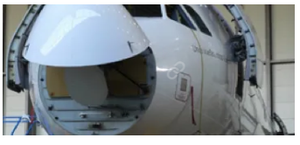
In radomes, the foam shields antennas from wind, rain, and extreme temperatures. It stays electronically transparent, meaning it does not block signals. This allows radar and communication systems to function without interruptions.
Inside aircraft, the foam is found in insulation layers, seating support, and cabin walls. It reduces vibration, blocks heat, and provides structure. This aerospace dielectric foam material continues to perform well during long flights without breaking down.
Polyurethane Foam vs. Other Dielectric Materials
Engineers often compare polyurethane foam with polystyrene, polyethylene, and ceramic materials. Each material has its advantages, but not all meet every requirement.
Polystyrene and polyethylene provide decent insulation but can break easily under stress. Ceramic materials handle heat well but are often heavy and brittle. Polyurethane foam combines flexibility, strength, and lightness in one material.
Cost is another important factor. Polyurethane is more affordable than many ceramic materials. It also comes in different densities, which allows engineers to choose the right type for their project without overspending.
Its mix of value and performance makes polyurethane dielectric foam a leading choice in RF and aerospace projects. It delivers consistent results across a wide range of applications.
Improving Polyurethane Dielectric Foam for Greater Durability
Manufacturers use different techniques to make this foam stronger. Flame retardants help it meet strict fire codes. UV stabilizers prevent sunlight from breaking down the surface. These additives extend the foam’s lifespan.
Special coatings or skins can add more durability. In some cases, engineers apply these layers to surfaces that experience the most wear. This protects edges and outer areas that face more stress.
Proper installation is also important. Using the right bonding agents and mounting methods helps keep the foam in place. Over time, small adjustments to use and placement can have a big impact.
Routine checks ensure that the foam stays intact. Even in high-stress environments, this maintenance keeps systems safe and foam effective. Long-term reliability depends on good design, materials, and care.
Final Thoughts
Polyurethane dielectric foam for aerospace supports demanding systems in challenging conditions. It provides durability, clear signals, and the ability to fit into complex shapes. Whether it is used inside aircraft or in RF equipment, it consistently delivers results.
Its balance of weight, cost, and strength makes it a great choice for engineers. As technology evolves, foam types will keep getting better. The goal is always increased reliability, longer lifespan, and improved performance.
If you need a material that can withstand heat, stress, and high performance, polyurethane dielectric foam is the solution. Contact us today to learn how it can support your next aerospace or RF project.
Follow us on:
General Plastics Manufacturing Company
General Plastics Manufacturing Company - Where Great Ideas Take Shape - has been a leading innovator in the plastics industry for over 80 years. The company develops and manufactures rigid and flexible polyurethane foam products, which include its signature LAST-A-FOAM® brand series and build-to-print composite parts. Through its network of distributors, General Plastics exports products to 25-plus countries for the aerospace and defense, nuclear containment, composite core, prototype and modeling, construction, dimensional signage, testing, marine, solar and wind energy industries. Certified ISO 9001:2015/AS9100D and meet such demanding quality systems as NQA-1, Mil-I-45208A and Boeing Company D6-82479.