How it works: cryopump technology
Featured Product from Leybold USA Inc.
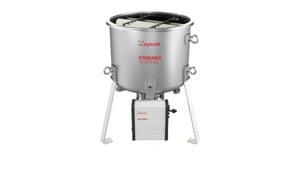
Each gas has a saturated vapor pressure that is a function of temperature — the higher the temperature, the higher the vapor pressure. Condensation on cold surfaces reduces the vapor pressure of the surrounding gas.?
If the temperature is low enough, the vapor will change to the solid phase and condense. In the icy windshield example, the windshield is essentially "pumping" water vapor from the moisture in the air.
When it comes to pumping gases to high-vacuum (HV) pressures, we need much lower temperatures. For example, at temperatures below 423 degrees Fahrenheit (20K), most vapors will condense to?ultra-high vacuum?(UHV) pressures.?
Commercial helium-supplied cryocoolers, like?those in the Leybold product range, can easily maintain temperatures in this very low range. The cryocoolers, also called cold heads or cryo-refrigerators, cool the temperature of gases in two stages.?
First, the cryocooler cools the gas well below the temperature of liquid nitrogen (77K) using a high cooling capacity. Then, the cryocooler cools the gas to below 20K using a lower cooling capacity.?
Related:?Working with HV or UHV systems can be tricky. Keep things efficient and safe with the help of this blog post,?5 Things You Need to Know About Working Under HV & UHV.?