

Selective vs Wave Soldering Differences
Service Detail from PCBWay
Introduction
Soldering plays a critical role in PCB assembly, ensuring strong electrical and mechanical connections. Among the various techniques used, wave soldering and selective soldering stand out for through-hole components. While both serve similar purposes, their processes, use cases, and advantages differ significantly. Understanding these differences is essential for choosing the right method for your project.
Process Overview
Wave Soldering
Wave soldering involves passing a PCB over a molten solder wave, allowing all exposed through-hole pins to be soldered simultaneously. It's a high-speed, cost-effective technique ideal for boards with many through-hole components on a single side.
Selective Soldering
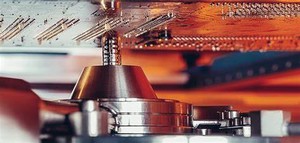
Selective soldering uses a mini wave or solder fountain to target specific through-hole components, leaving the rest of the board untouched. This method is highly precise, suitable for mixed-technology boards with sensitive SMT components nearby.
Key Differences
1. Precision and Control
Selective soldering offers pinpoint accuracy, minimizing thermal stress and preventing solder bridging. In contrast, wave soldering is less controlled but faster for simple layouts.
2. Board Complexity
For boards with densely populated or dual-sided SMT components, selective soldering prevents damage to sensitive parts. Wave soldering is better suited for simpler boards with components only on one side.
3. Fixture Requirements
Wave soldering often requires custom fixtures or masking to protect certain areas. Selective soldering reduces or eliminates the need for such tooling.
4. Cycle Time and Throughput
Wave soldering is faster for large volumes. Selective soldering, while slower per board, provides higher quality for complex assemblies.
5. Cost Considerations
Wave soldering typically has a lower per-unit cost in high-volume production. Selective soldering, though initially more expensive, can reduce rework and improve reliability in complex assemblies.
Conclusion
For projects requiring high-precision soldering and mixed-technology support, PCBWay offers advanced assembly services with both wave and selective soldering options to ensure optimal results.