Common Causes of Pipeline Explosions
Featured Product from Petersen Products Co.
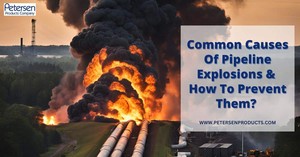
Common Causes of Pipeline Explosions and How to Prevent Them
Pipeline explosions can have catastrophic repercussions for both people and the environment, potentially causing fatalities, significant property damage and lasting environmental effects such as fires, chemical spills and air pollution. A pipeline explosion is capable of unleashing deadly power which could cause fatalities as well as lasting ecological issues such as fires.
Understanding the causes of pipeline explosions is vital in order to prevent them. By recognizing common problems like corrosion, pressure issues or improper installations we can take appropriate safety steps in order to avert potentially hazardous situations. Preventive measures, such as regular maintenance, the use of suitable equipment and compliance with safety requirements can ensure pipelines remain safe and operational - thus saving lives, minimizing damage and protecting valuable assets from being at risk from explosions.
What Are Pipeline Explosions?
Pipeline explosions occur when an oil, gas or other hazardous substance enters an unregulated pipeline through a leak and spills its contents - often oil, gas or other dangerous items like chemicals - into an open environment, often resulting in fire, poisonous fumes and other serious consequences. Usually caused by corrosion, overpressure or external pipeline damage; gas line accidents and oil pipeline explosions are two frequent types of explosions that have devastating repercussions for nearby areas.
An explosion can have devastating repercussions for both wildlife and ecosystems.
- Environmental Effects: Explosions can create widespread environmental damage such as large fires, toxic chemical spills and soil/water contamination - these disasters often take years to fully recover from.
- Economic Effect: Pipeline explosions impose considerable financial costs. They can involve costly cleanup operations, compensation claims, loss of business opportunities and legal penalties. Furthermore, disruptions in supply lines could lead to market fluctuations and price spikes that necessitate repairs.
- Human Impact: Pipeline explosions often result in death and injury to those nearby, often suffering burns, inhalation of hazardous chemicals or physical injuries as a result of the blast. In certain circumstances entire communities may be forced out, compounding this human toll further.
Understanding what causes pipeline explosions and their attendant consequences is integral to avoiding them and guaranteeing safety.
6 Common Causes of Pipeline Explosions
Pipeline explosions typically result from various conditions that compromise a pipeline's integrity, such as wear-and-tear damage, improper handling practices or environmental concerns. Being aware of what causes pipeline explosions is essential to taking preventive steps and averting potentially disastrous events - here are six of them:
- Corrosion and Material Failure - Pipelines become degraded over time by moisture, chemicals, temperature fluctuations and regular usage, particularly metal pipes. Corrosion damages their structures resulting in cracks or leaks. Without regular inspections these issues might go undetected leading to catastrophic ruptures or explosions.
- Improper Installation or Construction Defects - Improper workmanship or the use of low-grade supplies during installation may create problems in a pipeline. Defective welds, joints or seals could break under pressure and leak or rupture, creating leakage or rupture hazards which must be avoided with high quality materials installed correctly to minimize risks.
- Overpressure in a Pipeline - Excessive pressure can be one of the main causes of pipeline explosions, often stemming from blockages, unexpected flow surges or poor pressure regulation. When pressure exceeds capacity of the pipeline it could burst and release toxic contents causing serious damage and explosion.
- Leaks and Faulty Equipment - Unnoticed leaks or malfunctioning valves, connectors, or seals may compromise pipeline integrity if left undetected for too long. Even small, undetectable leaks may eventually develop over time and become fatal if left untreated in time.
- External Damage - Physical damage from excavation, construction activity or disasters can severely impair pipelines. Heavy machinery digging through soil movements or creating cracks with heavy machinery or digging can result in leaks or ruptures which in turn could cause leaks to leak further and eventually result in explosions if left unrepaired immediately.
- Human Error - Mistakes occurring during pipeline operations, such as inadequate pressure control, ineffective maintenance or failing to adhere to safety regulations may lead to explosions. Lack of training, poor decision-making or insufficient safety measures also increase the possibility that human error will cause disaster for a pipeline.
How To Prevent Pipeline Explosions?
1. Maintain and Inspect Regularly
Inspections and maintenance are key components in avoiding pipeline explosions, with regular checks for corrosion, leaks and structural integrity ensuring potential issues are identified before worsening further. Timely inspections help detect issues in the pipeline early so repairs can begin sooner and reduce failure risks.
Inflatable pipe plugs can make inspections more effective by isolating pipeline sections during inspections, making pressure testing and identifying potential weak points simpler and safer.
2. Pressure Regulation
Overpressure is one of the leading causes of pipeline ruptures, so proper pressure regulation within pipelines is vital in order to avoid harmful pressure buildups and explosions. Regular monitoring as well as pressure regulator technology is critical in keeping pressure within safe parameters; pressure controllers play an invaluable role here.
3. Leak Detection and Containment
Early leak detection and treatment are vital in order to avoid catastrophic failure. Leaks can quickly create pressure buildup that threatens major risks; double block and bleed plugs offer solid isolation during repairs and allow controlled pressure venting for safe working environments; mechanical pipe plugs may also help seal off potential risks, minimizing further damage and decreasing chances of catastrophic failure.
Conclusion
Pipeline Explosion can have severe environmental, economic and human repercussions. Acknowledging their causes - corrosion, overpressure, leaks and human error- is key in order to avert such disasters from happening again. Preventive measures, such as regular maintenance checks, pressure regulation and early leak detection must also be implemented effectively to safeguard pipeline safety.
Pipelines can be properly maintained with the help of reliable tools from Petersen Products such as pipe plugs that reduce hazards and promote safety. Consistently adhering to safety regulations and using reliable tools protect not only the pipeline itself, but also its users as well as the environment around it.
Follow us on:
Lifting Bags and Pipe Handlers
Petersen Products® pneumatic high pressure lifting air bags are great for heavy duty, low profile heavy lifting, emergency rescue, HAZMAT management or industrial use. Choose from aramid reinforced flat form or higher lift capacity high pressure lifting bags. Also, the 161-9 series is great as a pipe handler, grapple or can be used for other material handling. They have been used to lift, pull, and align tubes, pipes, transformers, and other types of equipment.
Give us a call or contact us for assistance with your lifting bag or pipe handling needs.
Petersen® Companies 100+ Years Family Owned
Our Mission:
Contribute to the total well-being of individuals and society by employing and empowering highly capable people of integrity who are motivated to create solutions of considerable value especially for wastewater, tunneling, plumbing, and pipeline customers.
Our Vision:
To be seen as a responsive, beneficial, creative, and trusted solution provider.
Our Quality:
Petersen is committed to providing customers with product and service solutions that conform to the ISO 9001 Standard with continuous quality improvement and meet customer, legal, and regulatory requirements. Our ambition is to provide superior craftsmanship with unmatched responsiveness to achieve the highest level of customer benefit and satisfaction.