
Switch / Alarm Relay Output Dissolved CO2 Instruments
Description
Switch / Alarm Relay Output Dissolved CO2 Instruments are designed to monitor the levels of dissolved carbon dioxide in various environments. These instruments are equipped with switch or alarm relay outputs that trigger alerts when CO2 levels exceed predefined thresholds. The primary function of these devices is to ensure safety by providing real-time monitoring and alerting capabilities to prevent hazardous CO2 concentrations.
Working Principle
These instruments typically operate using sensors that detect the concentration of dissolved CO2 in a given environment. When the CO2 levels reach a certain threshold, the instrument's relay output changes state, activating alarms or other connected systems. This mechanism is crucial for maintaining safe CO2 levels, as it allows for immediate response to potential hazards. The use of switch or alarm relay outputs makes these instruments particularly useful in environments where automated responses, such as activating ventilation systems, are necessary to mitigate CO2 buildup.
Applications
Switch / Alarm Relay Output Dissolved CO2 Instruments are widely used in various industries where CO2 monitoring is critical. Specific examples include:
- Food and Beverage Industry: In breweries and wineries, these instruments help maintain optimal CO2 levels during fermentation processes.
- Indoor Agriculture: In greenhouses, they ensure that CO2 levels remain within safe limits to promote plant growth while ensuring worker safety.
- Industrial Settings: In facilities where CO2 is used or produced, such as chemical manufacturing plants, these instruments help prevent dangerous CO2 accumulations.
Advantages over other Dissolved CO2 Instruments
One of the key advantages of these instruments is their ability to provide immediate alerts through relay outputs, which can be integrated with other safety systems. This feature allows for automated responses, such as activating ventilation systems, which is not always possible with other types of CO2 monitoring devices. Additionally, the use of relay outputs can enhance the reliability and effectiveness of safety protocols in environments where CO2 levels can fluctuate rapidly.
Limitations
A potential limitation of Switch / Alarm Relay Output Dissolved CO2 Instruments is their dependency on accurate sensor calibration and maintenance. If not properly maintained, the sensors may provide false readings, leading to either unnecessary alarms or a failure to detect hazardous CO2 levels. Additionally, these instruments may require integration with other systems, which can complicate installation and increase initial setup costs.
Considerations
When considering the implementation of these instruments, several factors should be taken into account:
- Initial Costs: The cost of purchasing and installing these instruments can vary depending on the complexity of the system and the specific requirements of the application.
- Operating Expenses: Regular maintenance and calibration are necessary to ensure accuracy and reliability, which can add to the operating costs.
- Durability and Accuracy: The durability of the sensors and the accuracy of the readings are critical for effective monitoring. Choosing high-quality instruments can mitigate issues related to sensor degradation over time.
- Replacement and Maintenance Costs: It is important to consider the long-term costs associated with replacing sensors and maintaining the system to ensure continuous operation and safety compliance.
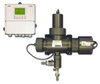
from ABB Measurement & Analytics
AV410 single-channel UV254 low-level dissolved organics monitors (0 to 20 mg-1C) are designed for use on potable water treatment plants. In particular, they can be used to monitor the quality of the outlet from sand and carbon filters to provide a THM precursor measurement. Long term field trials... [See More]
- Electrical Output: Analog Current; Switch / Alarm Relay
- Dissolved CO2 Range: 0 to 20
- Form Factor: Panel (optional feature); Wall, Pipe
- User Controls: Digital Front Panel

from ABB Measurement & Analytics
AV411 UV254 dual-channel, low-range dissolved organics monitors are designed for use on potable water treatment plants. In particular, they can be used to monitor the quality of the outlet from sand and carbon filters to provide a THM precursor measurement. Long term field trials have shown that... [See More]
- Electrical Output: Analog Current; Switch / Alarm Relay
- Dissolved CO2 Range: 0 to 20
- Form Factor: Panel (optional feature); Wall, Pipe
- User Controls: Digital Front Panel

from Analytical Systems Int’l. Keco
The petrochemical, gas processing, and gas pipeline industry has required an accurate and dependable, low maintenance and cost-effective CO2 analyzer for quality and process control purposes. Analytical Systems International has met these requirements with their proven microprocessor based non... [See More]
- Electrical Output: Analog Current; Switch / Alarm Relay
- Dissolved CO2 Range: 1000000
- Form Factor: Panel
- Display Type: Digital