
-
Description: sodium as the active species exchanged between the electrodes during charging and discharging, and operating above the melting point of sodium. These batteries use a solid β″-alumina electrolyte, typically written as β″-alumina. Examples of secondary Sodium-Beta batteries are
-
Description: sodium as the active species exchanged between the electrodes during charging and discharging, and operating above the melting point of sodium. These batteries use a solid β″-alumina electrolyte, typically written as β″-alumina. Examples of secondary Sodium-Beta batteries are
-
Description: sodium as the active species exchanged between the electrodes during charging and discharging, and operating above the melting point of sodium. These batteries use a solid β″-alumina electrolyte, typically written as β″-alumina. Examples of secondary Sodium-Beta batteries are
-
-
Description: sodium as the active 8 species exchanged between the electrodes during charging and discharging, and operating above the melting point of sodium. These batteries use a solid beta-alumina electrolyte, typically written as β’'-alumina. Examples of secondary sodium-beta
-
Supplier: TapeOnline.com
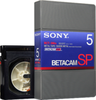
Description: through an advanced binder layer and an anti-static lid that reduces performance sapping dust. Alumina-silica metal particle coating keeps retentivity and coercivity high after years of storage, maximizing archival life. Advanced lubricants extend head life of Beta SP equipment.
-
Supplier: TapeOnline.com
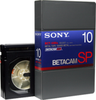
Description: through an advanced binder layer and an anti-static lid that reduces performance sapping dust. Alumina-silica metal particle coating keeps retentivity and coercivity high after years of storage, maximizing archival life. Advanced lubricants extend head life of Beta SP equipment.
-
Supplier: TapeOnline.com
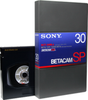
Description: through an advanced binder layer and an anti-static lid that reduces performance sapping dust. Alumina-silica metal particle coating keeps retentivity and coercivity high after years of storage, maximizing archival life. Advanced lubricants extend head life of Beta SP equipment.
-
Supplier: TapeOnline.com
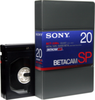
Description: through an advanced binder layer and an anti-static lid that reduces performance sapping dust. Alumina-silica metal particle coating keeps retentivity and coercivity high after years of storage, maximizing archival life. Advanced lubricants extend head life of Beta SP equipment.
-
Supplier: Thermal Ceramics
Description: demanding applications. The MORSIL® nitride bonding system allows nitride bonded refractories to out-perform other silicon carbide based refractories using silicate, alumina silica, silicon oxynitride and beta silicon carbide bond systems. As with silicon carbide refractories, the base
- Features: Specialty / Other

Find Suppliers by Category Top
More Information Top
 Indicates content that may require registration and/or purchase.

-
Electrochemical Power Sources: primary and secondary batteries
6.7.2 The sodium/sulphur cell with beta alumina .
-
THE TRANSFORMATION OF ALUMINUM OXIDE FROM THE BETA TO THE ALPHA FORM *
ABSTRACT Until recently it had not been known that beta alumina could be converted directly to the alpha form without going through the molten state.
-
Characterization of heat treatment induced changes in Li--Na beta-alumina single crystals
ABSTRACT Single crystals of lithium-sodium beta alumina with 40 to 95% substitutionof .
-
Novel, Integrated Reactor / Power Conversion System (LMR-AMTEC)
Bates, J. B., Wang, J.-C., and Dudney, N. J. (1982) “Solid Electrolytes – the Beta Aluminas ,” Physics Today, July 1982, pp. 46–53.
-
Preliminary analysis of patent trends for sodium/sulfur battery technology
(EY) Electrolyte materials and fabrication methods, both ceramics ( beta alumina ) and glasses, as well as coatings for these electrolytes.
-
Development of a Sodium Vapor Pressure Meter Using Beta-Alumina Ceramics
BETA ALUMINA SENSOR .
-
High temperature alkali corrosion of ceramics in coal gas: Final report
The author observed that the mullite refractov reacted with a sodium compound to form carnegieite and beta alumina after intermittent exposure to the gasifier atmosphere for 125 h at 1000°C.
-
Structure and ionic conductivity of a beta-alumina-based solid electrolyte prepared from sodium polyaluminate nanopowders
The problem of creating a sodium beta alumina based solid electrolyte (SE) for sodium sulfur and sodium/metal chloride batteries is closely related to the fabrication of a ceramic material with high Na ion conductivity, tailored structure, and optimal chemical composition.