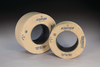
Torque Multipliers Information
When nuts or bolts require high torque to tighten or loosen them, torque multipliers are needed to supply that torque. Torque multipliers provide mechanical advantages and are critical for situations where high torque is required with a smaller input torque available.
While long handles or “cheater bars” are often used to generate higher torque, torque multipliers provide a safer method of generating high torque. The gearing mechanisms inside of a torque multiplier allow the torque to be transmitted safely to the nut or bolt, without the risk of catastrophic failure that drive tools with extended handles can present.
Theory of Operation
Torque, or the moment applied to an object, is a function of the force applied times the distance measured perpendicular to the force.

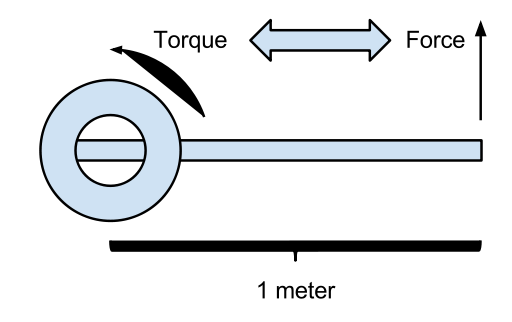
Figure 1: Illustration showing how torque and force are equivalent at one meter leverage. Source: Public domain
By increasing the length, cheater bars and long handled wrenches are able to apply greater amounts of torque with the same applied force. If the bar or ratchet fails catastrophically, damage can occur from such an unsafe condition.
Torque multipliers provide another opportunity for multiplying an input torque through the use of gears. An input torque is applied to a drive socket, which then uses a set of gears to amplify the applied torque. A driven socket on the output of the torque multiplier will be subject to much greater torque but will also rotate more slowly.
How much a torque will be multiplied depends on the gear ratio. For example, a torque multiplier with a gear ratio of 4:1 would produce four times the output torque for a given input torque. A 4:1 gear ratio torque multiplier would also require four rotations of the input drive to achieve one full rotation of the output drive. For a standard gear set, the gear ratio can be calculated from the number of teeth on the gears:

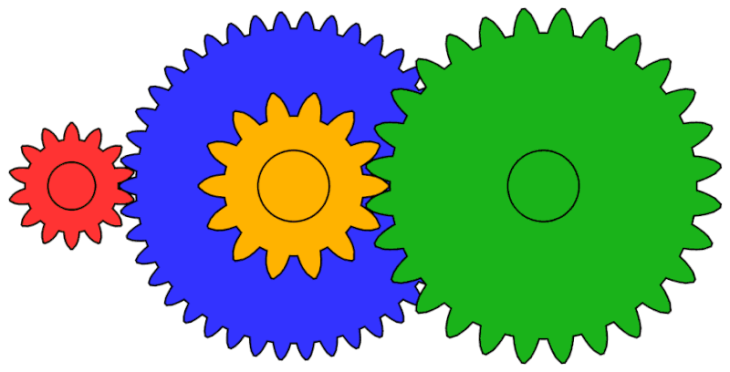
Figure 2: Animated gears. Source: Public domain
To allow torque multipliers to fit into a smaller footprint, a planetary gear arrangement is used. Planetary gears allow for large gear ratios without needing as much room for the gears.
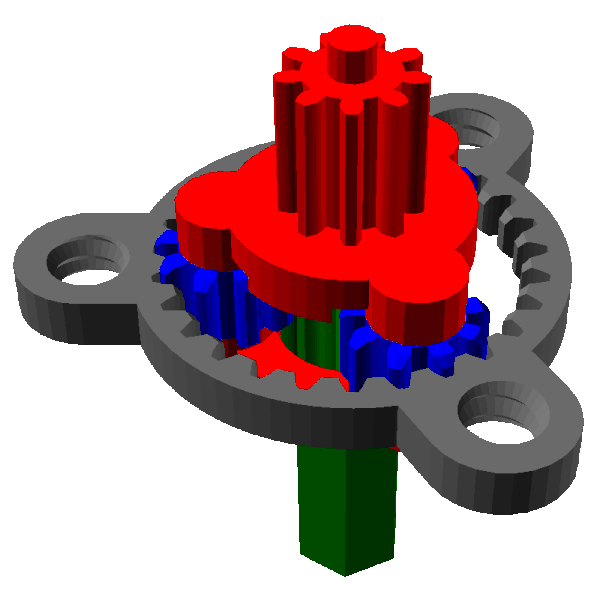
Figure 3: Animation of a planetary gear. Source: Public domain
Specifications
Because of the incredible power and the important applications where torque multipliers are used, specifications are very important. Common specifications to be aware of include:
Maximum torque capacity
Torque multipliers have a limit to the amount of torque that can be safely applied to a load. Ensure that a torque multiplier is capable of applying the needed torque for the desired application.
Gear ratio
The gear ratio determines the amount of torque multiplication achieved. Torque multipliers come in a variety of different available gear ratios. While the gear ratio represents how much the torque will be multiplied, the value also represents how many rotations of the input will be required to make one rotation of the output.
Drive size
The drive size is the size of the input socket, which must match the size of the input torque wrench being used. The output drive size is also an important specification.
Accuracy and Efficiency
The planetary gears used in torque multipliers naturally introduce some inefficiencies. The accuracy of the torque multiplier decreases when torque is lost through inefficiencies in the gear train.
Usability
Some torque multipliers are very heavy and bulky. Consider the application where the torque multiplier will be used to ensure that it is the right tool for the application.
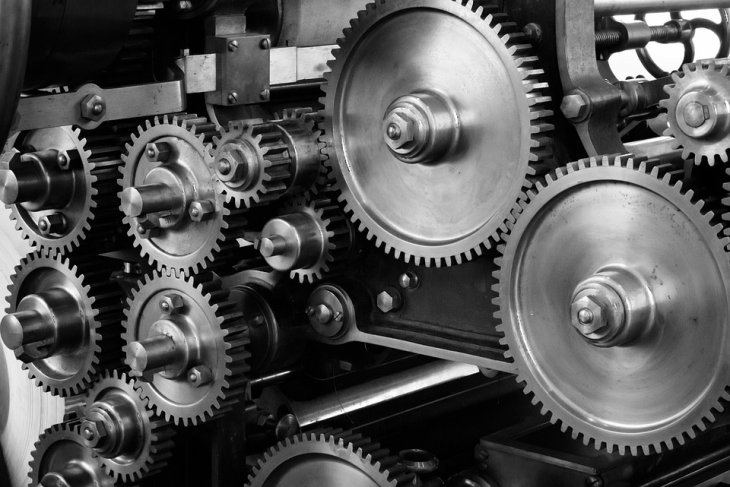
Figure 4: There are several types of torque multipliers available. Source: Pixabay
Types
There are several types of torque multipliers available, including:
Manual Torque Multipliers
Manual torque multipliers are very common and are the simplest type to use. These torque multipliers quickly adapt to common ratchet and socket sets for easy use. The manual nature allows them to be used safely by operators in place of a cheater bar or other tool for leverage.
Electric Torque Multipliers
These use an electric motor to apply the input torque, and are typically faster and more powerful than manual torque multipliers. Many electric torque multipliers are available as battery powered tools, which makes them extremely effective as field tools.
Pneumatic Torque Multipliers
For heavy duty applications, compressed air can be used as the energy source for a torque multiplier. These torque multipliers can generate very high output torques.
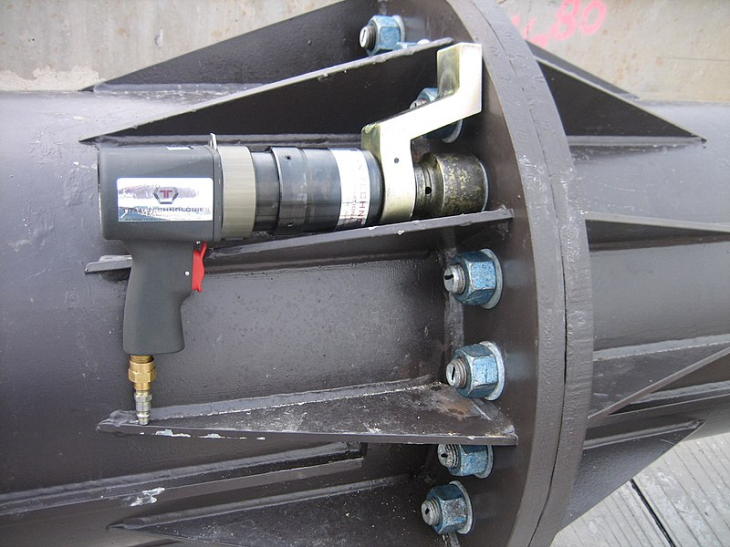
Figure 5: Pneumatic torque wrench. Source: Public domain
Hydraulic Torque Multipliers
Similar to pneumatic torque multipliers, hydraulic torque multipliers are another option for heavy duty applications. Capable of achieving incredibly high torques, these types of torque multipliers are often seen in industries such as oil and gas drilling.
The choice of torque multiplier to use typically comes down to application. Manual torque multipliers are often the cheapest and safest option to start with. Powered torque multipliers should be used any time manual torque multipliers are not up to the task.
Features
Torque multipliers are an incredibly useful tool in any toolbox. Some of the top features include:
High Torque Output
Arguably the best feature of torque multipliers is the ability to generate large amounts of torque without needing an excessive lever arm. Being able to safely amplify the applied torque for a bolt or nut is incredibly useful and can be unsafe when not done properly.
Versatility
Torque multipliers can be quickly added in when needed for an operation. The tools tend to be fairly compact and can be a strong complement to any ratchet and socket set.
Durable Construction
Torque multipliers are built for abuse, given the hard jobs they are tasked with. They are typically built to be durable and withstand heavy use with materials such as steel or aluminum.
Ratcheting
Ratcheting torque multipliers are very useful, allowing for many rotations of the input drive without having to repeatedly reseat the drive ratchet. In addition to ratcheting, some torque multipliers feature adjustable settings that allow users to fine-tune the output torque to meet their specific needs.
Safety Features
Torque multipliers are safer than other methods of generating high torque, but users must still have caution. Many torque multipliers include safety features such as overload protection or automatic shut-off to prevent damage to the tool or injury to the user.
Manufacture
Torque multipliers are manufactured similarly to other hand tools. Starting with raw metal, the basic components of the torque multiplier are cast or forged into shapes for further processing. These components can then be fashioned into the housing, drive sockets, and other components via CNC machines or other tools.
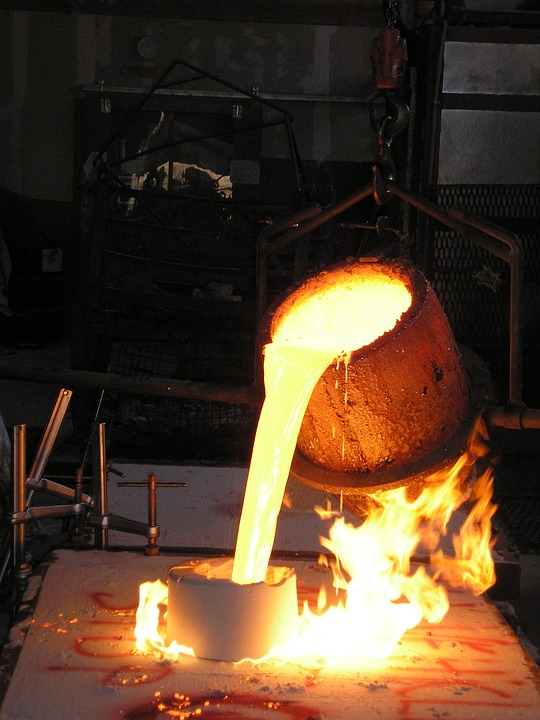
Figure 6: Torque multipliers are a staple for many different industries Source: Pixabay
Once the components are properly machined, the gearbox must be carefully installed into the torque multiplier housing. If the planetary gear is not installed correctly, the torque multiplier may be inefficient, unsafe, or may not work at all. The remaining components are then added to the torque multiplier including electric motors and wiring, pneumatic, or hydraulic components if necessary. Assembly of all of these components typically takes place with the help of specialized jigs and fixtures to ensure high-quality and consistency.
The final step in the production of torque multipliers is quality control. Finished torque multipliers must be cleaned and inspected to ensure proper operation and the passing of minimum specifications. Quality control may involve torque testing, visual inspections, and other quality control measures.
Applications
Torque multipliers are a staple for many different industries due to the wide usage of nuts and bolts. Common industries where torque multipliers can be found include:
Heavy Equipment Maintenance
Bulldozers, excavators, cranes, and tractors are all examples of large equipment with nuts and bolts that require heavy torque for tightening and loosening. Torque multipliers are essential to working on these types of equipment.
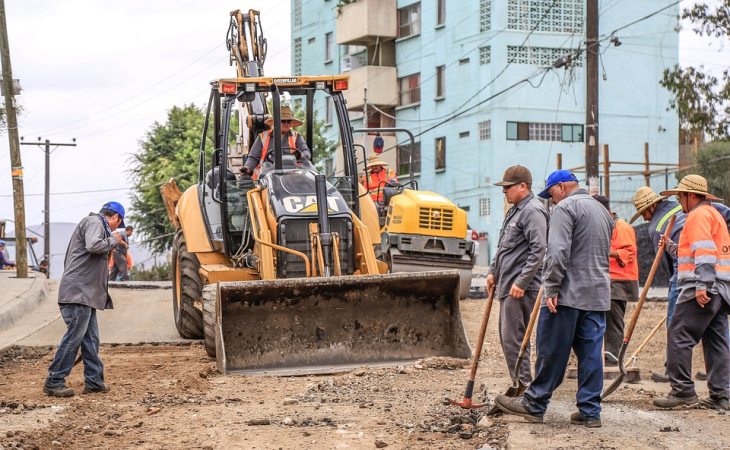
Figure 7: Bulldozers, excavators, cranes, and tractors are all examples of large equipment with nuts and bolts that require heavy torque for tightening and loosening. Source: Pixabay
Automotive Repair and Maintenance
Even smaller vehicles can have difficult to tighten or remove nuts and bolts. From lug nuts to drivetrain components, torque multipliers can be a safe alternative to cheater bars and impacts when working in an automotive shop.
Industrial Machinery Maintenance
Similar to heavy equipment maintenance, industrial machinery maintenance often requires the tightening or loosening of large nuts and bolts. Torque multipliers are often needed when working on industrial machinery like pumps, compressors, and turbines.
Oil and Gas Drilling
Oil and gas drilling operations often require both high torque and the ability to work quickly. Torque multipliers are used in drilling rigs to tighten or loosen the large bolts that hold the drill head and other equipment in place and are easy to use.
Aerospace and Aviation
Aircraft and spacecraft not only require high torques but precise torque values as well. Where safety and performance of torque values are critical, torque multipliers are essential to operations.
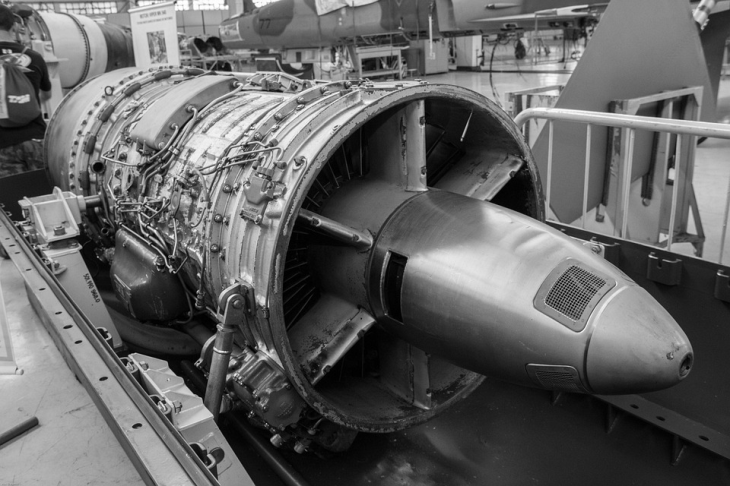
Figure 8. Aircraft and spacecraft not only require high torques but precise torque values as well. Source: Pixabay
The above industries are only a small section of industries where torque multipliers may be used. The widespread use of nuts and bolts means that many applications exist where torque multipliers might be needed.
Standards
There are several standards that apply to torque multipliers, which help ensure their quality, safety, and reliability. These standards range from industry specific to more general standards. Some of these standards include:
ISO 6789
This standard specifies requirements and testing methods for torque wrenches, which are often used in conjunction with torque multipliers. It covers a wide range of topics, including accuracy, repeatability, calibration, and marking.
ASME B107.300
From the American Society of Mechanical Engineers (ASME), this standard covers torque multiplier tools and sets requirements for their design, testing, and marking.
DIN 3122
In addition to standards from American societies, other countries like Germany issue standards covering torque multipliers. The Din 3122 standard covers square drive tools, including torque multipliers, and specifies dimensions, materials, and testing requirements.
OSHA Regulations
In the United States, the Occupational Safety and Health Administration (OSHA) has established regulations for hand and power tools, which include torque multipliers. These regulations cover topics such as safe use, maintenance, and training.
Compliance with these standards can help ensure that torque multipliers are safe, reliable, and effective for their intended applications.