Exterior Insulation and Finishing Systems (EIFS) Information
Exterior insulation and finishing systems (EIFSs) are multilayered, non-load bearing exterior wall systems designed for insulation and protective purposes. By effectively reducing heat transfer between a building and its surrounding environment, EIFSs enhance a building's energy efficiency. Notably, these systems offer flexibility in design and application.
An EIFS typically consists of the following components: a substrate, adhesive, insulation board, reinforcement mesh, base coat, primer, and finishing coat. Among these, polymer-based EIFSs are the most prevalent.
Types of EIFS
EIFSs vary based on design principles, material composition, and functionality. These classifications enable specific performance attributes and address different architectural and environmental demands.
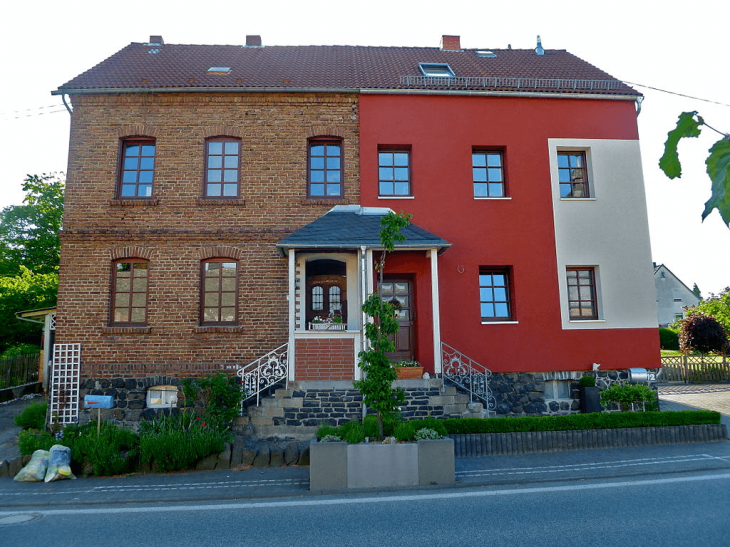
Figure 1: Exterior of historic building with EIFS on the right side. Source: Handwerker/CC BY-SA 3.0
Barrier Wall Systems
These EIFSs rely on their base coat for weatherproofing, with every component designed to ensure the system's integrity. Typically used in older EIFS applications, their main advantage is the simplicity of design, offering a continuous barrier against external elements. However, they inherently lack a drainage mechanism, potentially trapping moisture and leading to problems like mold and structural damage.
Wall Drainage Systems (Water-Managed EIFS)
Designed with a drainage plane between the EIFS and the substrate, these systems facilitate moisture and water escape, reducing water retention risks. Commonly used in modern construction due to concerns over trapped moisture in barrier systems, their advantages include preventing water buildup, protecting structural elements, and allowing patch repairs in damaged sections.
Polymer-Based (PB) Systems
Predominantly used EIFSs, which utilize a polymer for the base coat and finish. They offer excellent flexibility and water resistance, making them suitable for a wide range of climates and building types. Their lightweight nature and design versatility make them a popular choice for both residential and commercial applications.
Polymer-Modified (PM) Systems
Often termed "hard coat" systems, they blend cement with a polymer additive for the base coat. They are typically more robust and resistant to physical impact, making them ideal for high-traffic areas, such as schools or commercial zones. Their enhanced durability comes from the combination of polymers and cement.
Direct Applied Systems
Applied directly onto masonry or concrete surfaces without insulation board, they're particularly advantageous in retrofitting older buildings that lack insulation. By bypassing the need for insulation boards, they offer a more direct approach to enhancing a structure's thermal properties.
Impact-Resistant Systems
Crafted for buildings in zones with a higher risk of physical impact or vandalism, such as schools, hospitals, or commercial centers. Their primary advantage is their durability, capable of withstanding significant wear and tear while maintaining their aesthetic and functional integrity.
Specialty Systems
These EIFSs are tailored for specific requirements, whether it is a particular aesthetic, climate resilience, or fire resistance. Their use often corresponds to niche construction needs, and they capitalize on specific advantages depending on their design focus.
Components
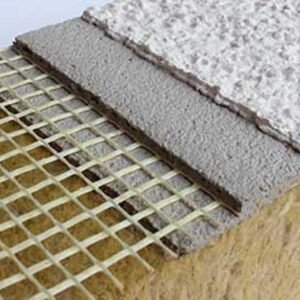
Figure 2: Components of EIFS. Source: UPPI
EIFSs integrate multiple components, each providing specific functional benefits. Their collective integration results in a system optimized for performance and durability.
Insulation Board (EPS/XPS)
Typically made from expanded (EPS) or extruded polystyrene (XPS), these boards have low thermal conductivity due to their closed cellular structure, effectively minimizing heat transfer.
Polymer Components
Serving as the primary adhesives and finishes, polymers give EIFS its flexibility and water resistance. Their elastomeric nature also aids in impact dissipation.
Reinforcement Mesh
Often composed of fiberglass, this mesh provides tensile strength, acting as a foundational layer that prevents system cracking from external stressors.
Base Coat
This layer, frequently containing Portland cement, undergoes hydration to form a durable matrix. The inclusion of polymers improves flexibility and crack resistance.
Finishing Coat
Utilizing acrylic-based finishes, EIFS achieves UV resistance and maintains color consistency, safeguarding against UV degradation.
Thermal Bridging Reduction
EIFSs are designed to counteract thermal bridging by ensuring continuous insulation, thereby enhancing its thermal performance.
Applications
EIFSs have garnered significant attention in the construction sector due to their multifaceted benefits, ranging from thermal efficiency to architectural flexibility. As industries continuously adapt to modern demands, the relevance and application of EIFSs have permeated various sectors.
Exterior Insulation Finish System (EIFS)
Video: Installation process of EIFS. Source: Four Circles Eng'g Systems Enterprises
Commercial Building Construction
EIFSs are extensively used in commercial construction due to their ability to provide an efficient thermal envelope while enhancing the building's exterior aesthetics. Used on both new and retrofit projects, they offer a lightweight alternative to traditional cladding systems, making them suitable for high-rises or buildings with large wall expanses. The benefits include improved energy efficiency, leading to reduced HVAC loads and operational costs. Additionally, their versatility in design and color options gives architects flexibility in aesthetic expression. However, one downside is their potential vulnerability to physical impacts; hence, they may require protective measures in high-traffic areas.
Healthcare Facilities
Hospitals and healthcare facilities prioritize controlled internal environments. EIFSs provide effective insulation, ensuring patient comfort and aiding in maintaining consistent indoor temperatures. Their water-resistance is crucial for structures that cannot afford internal moisture problems. While they support a sanitized environment, a potential con is that any undetected water infiltration could promote mold growth, which is detrimental in a healthcare setting.
Educational Institutions
Schools, colleges, and other educational buildings often utilize EIFSs for their economic and aesthetic advantages. With tight budgets, institutions benefit from the cost-effectiveness and energy savings associated with EIFS. The system's ability to be patched also proves useful in environments where minor damages can occur. However, the same vulnerability to physical impacts means that high-traffic zones or areas within reach might require periodic maintenance.
Exterior Insulation Finish System (EIFS - Step by Step)
Video: Step by step residential installation of EIFS. Source: Cosmopolitan Construction
Industrial Warehouses
For structures like warehouses, maintaining consistent internal temperatures can be challenging. EIFSs aid in achieving this while providing a pleasing exterior. This is especially beneficial when warehouses are situated near residential areas or main roads and need a more 'finished' look. The lightweight nature of EIFS means less load on the building's structure. A potential drawback is the need for regular inspections to ensure no breaches in the system, which could lead to moisture accumulation in a largely unmonitored environment.
Hospitality Industry
Hotels and resorts prioritize guest comfort, and EIFS contributes by offering excellent insulation. Their design flexibility means they can align with various architectural themes, whether it's a modern city hotel or a resort blending into nature. The main advantage is the energy efficiency leading to operational savings. On the downside, in areas with high guest traffic or potential luggage impacts, there might be a need for added protective measures.
Testing and Standards for EIFS
The construction industry emphasizes strict standards and rigorous testing for EIFSs, ensuring their efficacy, safety, and longevity.
Thermal Performance
This test evaluates the R-value (thermal resistance) of the EIFS over its lifecycle, quantifying its capability to impede heat transfer. A higher R-value signifies better insulation properties, crucial for energy-efficient building designs.
Water Penetration Resistance
Given EIFS's susceptibility to moisture-related issues, this test is essential. It subjects the system to controlled water exposure, simulating various environmental conditions, to gauge its resilience against potential water infiltration.
Impact Resistance
Primarily for impact-resistant and polymer-modified systems, this test assesses the material's capacity to withstand physical shocks. The system is exposed to controlled impacts to determine its durability and its capability to resist potential damage from daily wear or intentional harm.
Fire Performance
This is an important test, especially in regions with stringent fire regulations. It analyzes EIFS's response to fire exposure, measuring metrics like flame spread, smoke development, and material combustion. The results guide safe application in various building contexts.
Adhesion and Cohesion
This test scrutinizes the bond strength between the various layers within an EIFS. By simulating varying environmental conditions, the test can forecast potential delamination risks, ensuring long-term system reliability.
Standards Compliance
Ensuring EIFSs adhere to guidelines and standards from established organizations like ASTM and EIMA is vital. Regular compliance checks guarantee the products meet or exceed industry benchmarks for consistent quality and performance.
Adhering to these standards ensures the delivery of reliable, efficient, and safe exterior systems to clients. Proper understanding and application of these tests further solidify the reputation and credibility of EIFS in the industry.
History of EIFS
EIFS originated in post-World War II Europe as a response to traditional material shortages and rising energy costs. Introduced in the 1960s, these systems provided efficient insulation for building facades, quickly gaining popularity across Europe. By the 1970s, the North American market adopted EIFSs due to increased environmental awareness and the growing need for energy-efficient construction. Over time, technological advancements have refined EIFS designs, addressing challenges like moisture retention and enhancing their overall reliability.
Related Information
GlobalSpec—Most Common Building Thermal Insulation Materials on the Market Today