Hydronic Radiators Information
Hydronic radiators are heating devices that use the principle of convection to transmit warmth from an internal fluid medium to the surrounding room air. The mediums, predominantly hot water or steam, are contained within a secure, sealed casing.
Hot water radiators operate by circulating heated water within a sealed container. As this hot water radiates heat into the room, it subsequently cools and descends to the bottom of the radiator. From there, it is directed back to the boiler through a return pipe for reheating, maintaining a constant closed-loop cycle of heating and reheating.
On the other hand, steam-based radiators function differently. The steam, driven by its own pressure, travels throughout the radiator system. While steam provides an easier distribution method across a heating system than hot water, it doesn't offer the same level of heating efficiency.
An important feature of these radiators is the inclusion of thermostatic radiator valves, which grant the ability to fine-tune individual radiator settings to align with the comfort preferences of each room. Using hydronic radiators generally proves more cost-effective than traditional central heating systems.
Moving away from the age-old, hefty cast-iron radiators, the trend has shifted toward contemporary low-profile baseboard designs and visually appealing wall-mounted units. Predominantly designed for residential and commercial heating, hydronic radiators are available in an array of styles, even extending to specialized models for niche purposes, such as warming towels.
Heat Transfer Mediums
Hydronic radiators primarily utilize water as a heat transfer medium due to its superior heat capacity, widespread availability, and non-toxic properties. Nevertheless, in certain scenarios, radiator designers turn to alternative fluids, namely glycol-water mixtures, and oil, to fulfill specific heating requirements.
Glycol-Water Mixtures
In radiator heating configurations where freezing poses a risk, glycol-water mixtures come into play. Propylene glycol or ethylene glycol, with their lower freezing points compared to water, forestall system freezing in frigid weather. This quality renders glycol mixtures especially valuable in exterior heating applications, including radiant snow melting systems. On the downside, glycols carry less heat compared to water for an equivalent volume and temperature difference, potentially leading to a less efficient heat transfer. They may also necessitate larger radiators or extra energy to pump the fluid due to their increased viscosity.
Oil
Oil finds usage in radiators, albeit less frequently than water or glycol mixtures. A notable application of oil lies in oil-filled radiators, where an electric heating element warms the oil, which then transfers heat to the surrounding atmosphere.
The oil boasts a higher boiling point than water, permitting higher operating temperatures in specific applications. However, like glycols, oil generally possesses a lower heat capacity than water and can be more viscous, potentially leading to issues with heat transfer efficiency and pump strain.
Steam
Steam radiators, while considered an older heating method, continue to exist in some older buildings. The inherent simplicity of steam-based systems and their aptitude for efficient heating in large, multi-floor buildings remain their strong suits. But they come with their share of drawbacks, including potential safety risks, imprecise temperature control, and lower efficiency compared to hot water systems. They are also more difficult to maintain.
Water
Modern radiator heating standardly employs hot water hydronic radiators or hydronic heating systems. These systems offer several advantages, such as greater efficiency, enhanced temperature control, and safety.
They demand a pump for water circulation, which introduces complexity and potential failure points into the system. In addition, imbalanced hot water systems may result in uneven heating, a concern that can be mitigated with proper system design and installation. Despite these issues, hot water radiators are generally preferred in modern installations due to their superior efficiency, safety, and controllability.
Configurations
There are various types of hydronic radiators each exhibiting unique strengths and potential drawbacks. Understanding these characteristics can help in identifying the most suitable type for a given application.
Baseboard Radiators

Figure 1: Baseboard radiator in living room. Source: Public domain
Known as hot water baseboard heaters, these radiators feature a compact design that helps save valuable floor space. The subtle placement along the wall baseboard and the potential for aesthetic covers allow for an unobtrusive integration into room decor. Operationally, they are notably quiet, contributing to a comfortable environment. However, baseboard radiators may require longer periods to heat a room effectively compared to some other types and could be less effective in larger spaces due to their positioning near the floor.
Panel Radiators
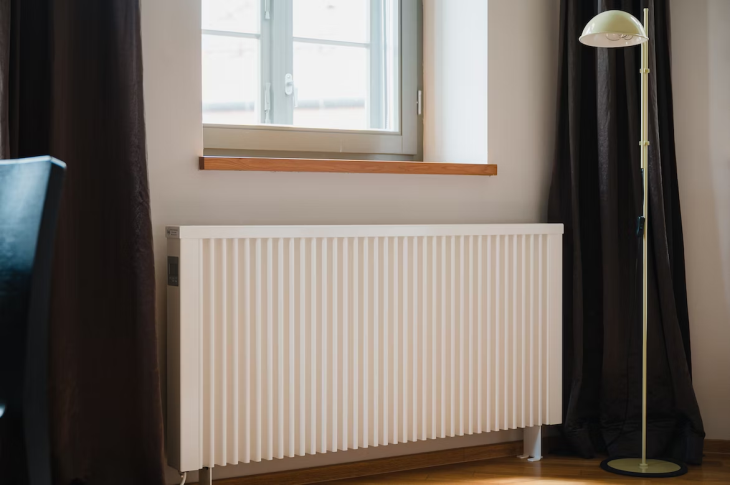
Figure 2: Panel radiator. Source: e24/Unsplash
These versatile radiators come in an array of sizes and shapes, with options for wall-mounted or freestanding configurations. Notable for their rapid heating ability, they can quickly bring a room up to desired temperatures. Their modern, sleek design can easily blend into contemporary decor, enhancing the aesthetics of a room. However, placement and clearance must be carefully considered for optimal performance and to avoid any safety concerns due to the potentially high surface temperature of the radiator.
Towel Radiators
Installed typically in bathrooms, towel radiators serve the dual purpose of room heating and towel warming. Their design, featuring horizontal bars, adds to the room's functionality and aesthetic. They offer the luxury of warmed towels, which can significantly improve comfort in bathroom settings. One of the main drawbacks is their specialization; they might not be suitable or necessary for spaces other than bathrooms.
Column Radiators
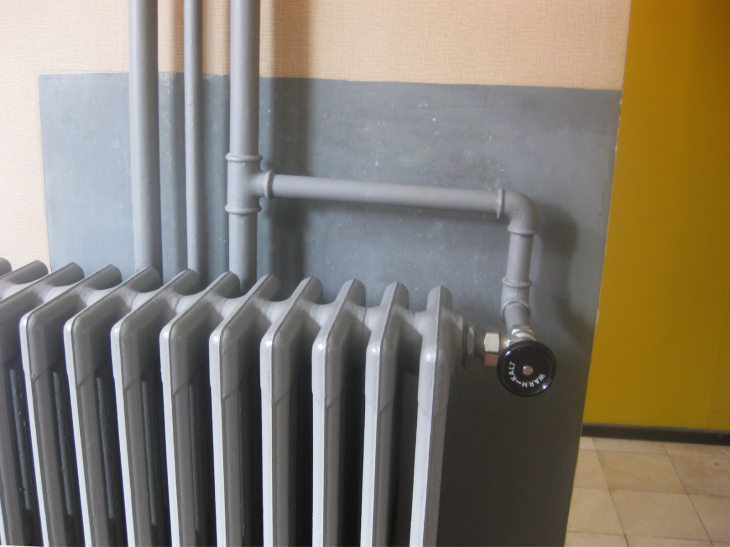
Figure 3: Column radiator. Source: Christos Vittoratos/CC BY-SA 3.0
Resembling the traditional cast iron radiators, these units are appreciated for their high heat output and vintage aesthetic. Despite taking longer to reach peak temperatures, once warmed, they retain heat effectively, providing sustained warmth even after the boiler has been turned off. However, their considerable size and weight, compared to modern alternatives, could pose challenges in installation and space utilization.
Convector Radiators
These radiators, typically slimmer than others, incorporate convector fins to increase the surface area for improved heat output. By drawing in cool air from the bottom, heating it, and then releasing it from the top, they establish a convective heat cycle. However, due to their operational design, they may require regular maintenance to clean the fins and maintain optimal heating efficiency.
Fan-Coil Radiators
These units blend traditional radiator design with a fan mechanism for enhanced heat distribution. The fan accelerates the movement of air over the radiator's surface, leading to a rapid and efficient heat dispersion. Nevertheless, the addition of a fan could contribute to increased noise levels compared to other radiator types and may require additional electrical wiring for the fan operation.
Components
Each part of a radiator performs a specific role, together facilitating the effective transmission of heat throughout a space, contributing to a comfortable and energy-efficient environment.
Boiler
Acting as the system's central heating source, the boiler's function is to elevate the thermal energy of the circulating fluid within the system.
Working Fluid
Hydronic systems function based on a closed-loop configuration, maintaining the working fluid, typically water, within a sealed piping network. Alternative fluids can be utilized depending on system-specific requirements.
Thermostat
Serving as the system's regulatory interface, the thermostat modulates the operational state and temperature setpoints of the hydronic heating system, thereby controlling heat output.
Manifold
This component acts as the distribution hub for the heated fluid. It facilitates the routing of the thermal medium, ensuring uniform and efficient distribution of heat throughout the network.
Tubing
Contemporary hydronic systems employ flexible, durable plastic, or PEX (cross-linked polyethylene) tubing, a shift from the traditional utilization of copper or rigid piping due to improved efficiency and ease of installation.
Heat Exchanger
This component, which could manifest as radiant flooring, wall-mounted radiators, or baseboard heaters, is responsible for facilitating thermal energy transfer from the circulating fluid to the ambient air in the room.
Pump
Once the working fluid's temperature has been elevated by the boiler, the pump ensures the heated fluid is circulated throughout the system. This active component ensures efficient thermal distribution within the premises.
Industry Applications

Figure 4: City buildings. Source: Justin Eisner/Unsplash
Residential Construction
Hydronic systems are a common choice for space heating in residential buildings. They provide uniform, comfortable heat and are often preferred for their energy efficiency and quiet operation.
Commercial Construction
In commercial settings like offices, shopping centers, or restaurants, hydronic radiators offer effective and reliable heating. They are particularly beneficial in large-scale buildings where managing different heating zones is critical.
Industrial Manufacturing
Within factories or warehouses, hydronic radiators can effectively manage the substantial heating requirements. They're used to maintain a comfortable working environment or ensure that certain processes are kept at the necessary temperatures.
Healthcare
In hospitals and other healthcare facilities, maintaining a consistent temperature is vital for patient comfort and health. Hydronic radiators allow for precise temperature control in different areas, making them suitable for such settings.
Hospitality
Hotels, resorts, and other businesses in the hospitality industry use hydronic heating to ensure guest comfort. These systems can effectively manage the unique heating needs of various spaces like guest rooms, lobbies, spas, and dining areas.
Education
Educational institutions like schools and universities use hydronic radiators for their efficiency and the comfort they provide, critical in maintaining an optimal learning environment.
Agriculture
In agricultural settings, such as greenhouses, hydronic heating systems can be used to maintain the specific temperatures needed for plant growth or to house animals.
Choosing a Hydronic Radiator
Hydronic radiators offer a versatile solution for heating needs, with a selection of fluids and configurations to cater to specific applications. While water remains the most common and efficient heat transfer fluid, alternatives like glycol-water mixtures, oil, or steam can be used based on environmental and system considerations.
Configurations, including baseboard, panel, towel, column, convector, and fan-coil radiators, provide varying strengths in heating efficiency, aesthetic integration, and spatial requirements. The choice of fluid and configuration depends on factors like the size and type of the building, the ambient conditions, and the specific heating requirements. The diversity in hydronic radiator systems ensures a suitable, efficient, and cost-effective heating solution for a wide range of residential, commercial, and industrial applications.