Network Emulators Information
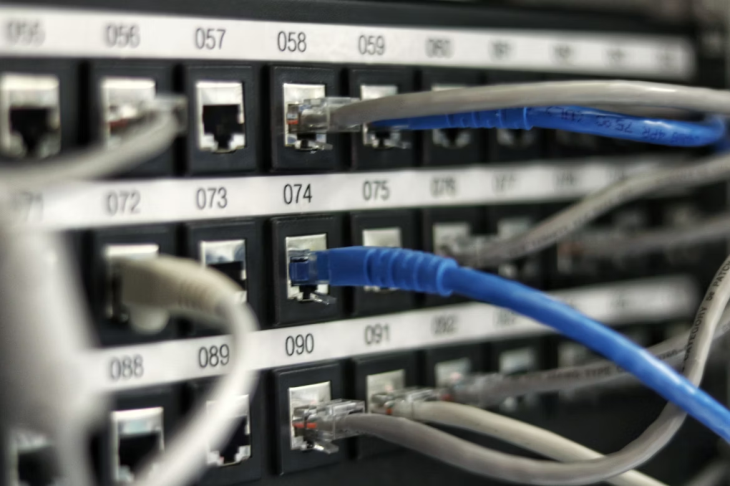
Figure 1: Ethernet cables. Source: Jordan Harrison/Unsplash
Network emulators are tools designed to simulate the behaviors of computer networks. Their primary function is to create conditions that mimic real-world traffic, such as jitter and packet loss. This allows for an understanding of how a network might perform under various scenarios. By using these emulators, network administrators have the ability to identify potential issues in advance of them affecting regular operations. Depending on the need, emulators can cater to a range of networks including wireless, wired, satellite, and cellular.
There are two main types of network emulators: software-based and hardware-based. Software-based variants are generally run on personal computers, offering flexibility in their use. However, they might not provide the same level of control or performance as dedicated devices due to their general-purpose hardware design. On the other hand, hardware-based emulators are built specifically for the task, providing greater accuracy in traffic control. These devices can often be updated through firmware, though certain hardware limitations might persist.

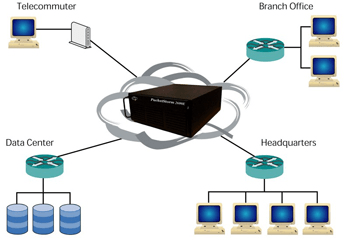
Figure 2: Network emulator diagram. Source: Medladon
When choosing a network emulator, it is important to consider its capabilities. Factors such as latency, jitter, and bandwidth are just a few of the attributes that these tools can test and simulate.
Configurations
Network emulators, crucial tools in the network testing and optimization realm, are available in a range of configurations. Each brings its unique strengths and potential drawbacks.
Software-Based Emulators
Software-based emulators operate on general-purpose operating systems, usually on PCs or servers. Their main advantage lies in their versatility and cost-effectiveness, especially appealing for preliminary testing or smaller operations. However, their performance can be constrained by the underlying hardware, and they might lack the precision of hardware-specific solutions.
Hardware-Based Emulators
These are specialized physical devices specifically designed for network emulation. They offer an edge in precision and real-time performance, making them an excellent choice for high-demand testing scenarios. However, this superior performance often is reflected in higher costs. Additionally, they might be restricted by their inherent hardware configurations, which can pose limitations in adaptability.
Wireless Network Emulators
Focusing on the unique challenges of wireless environments, these emulators address conditions like signal variations and interference. They are used for simulations where wireless network behavior is the item of interest. Their niche focus, however, might render them less adaptable for non-wireless network emulation scenarios.
Satellite Network Emulators
Designed specifically for space communication challenges, these emulators replicate the conditions of satellite communication, including long latency and bandwidth constraints. While they are indispensable for satellite-related testing, their specialized nature might not be well-suited for broader network testing scenarios.
Cellular Network Emulators

Figure 3: Communication equipment on tower. Source: Tony Stoddard/Unsplash
Engineered to simulate the behavior of cellular networks, these emulators cover various generations, from 3G to the emerging realms of 5G. Their specialization is cellular network-focused testing. However, for more general network testing needs, they might be overly specific.
Hybrid Emulators
Combining the strengths of software and hardware, hybrid emulators offer a balanced emulation environment. They bring the adaptability of software solutions to the table, coupled with the precision of hardware. This combination, while powerful, might also introduce complexities in setup and ongoing management.
Open-Source Emulators
https://www.youtube.com/watch?v=An_BXThvSVI
Video: Core network emulator. Source: Chronova Engineering
These cost-effective solutions, predominantly software-based, thrive on continuous community-driven updates. The open-source nature ensures transparency and often eliminates costs, but they might lack the polished features or robust support systems that commercial counterparts deliver.
Components of Network Emulators
A network emulator comprises several key components, each designed to replicate specific aspects of real-world networks.
Traffic Generator
The traffic generator is responsible for producing synthetic network traffic patterns that mirror those of real-world applications and services. By doing so, it allows the emulator to effectively test how networks manage and respond to different types of data packets and varying loads.
Function: Generates synthetic network traffic patterns.
Significance: Essential for testing network behavior under different loads.
Channel Emulator
The channel emulator simulates various network environments. It replicates channel characteristics such as latency, jitter, packet loss, and bandwidth restrictions. By offering a window into the challenges faced by data as it traverses different network mediums, the channel emulator serves as a realistic testing ground.
Function: Simulates various network environment characteristics.
Significance: Replicates challenges faced by data in real-world networks.
Network Topology Simulator
Network designs can significantly influence data movement and overall performance. The network topology simulator component recreates a range of virtual network structures, from basic point-to-point connections to intricate multi-node configurations. This allows for a detailed exploration and understanding of the nuances in network design.
Function: Recreates virtual network layouts.
Significance: Assesses the influence of network designs on performance.
Interface Modules
Interface modules allow for integration and comprehensive testing. They provide a bridge, allowing real-world devices and other software tools to connect with the emulated environment. Through this integration, a more holistic network testing experience is achieved.
Function: Allows connections with real-world devices.
Significance: Bridges the simulated environment with actual devices.
Control and Management Software
Control and management software presents a user interface designed for the setup, management, and monitoring of emulations. It often incorporates tools that facilitate logging, in-depth analysis, and reporting, ensuring that administrators have a clear overview and control of the emulator's activities.
Function: Provides a user interface for emulator management.
Significance: Centralizes control and monitoring.
Performance Analyzer
The performance analyzer measures the performance of the network under emulation. It diligently collects and presents metrics such as throughput, response times, and error rates, thereby allowing administrators to derive actionable insights and make informed decisions.
Function: Measures network performance.
Significance: Provides critical insights for optimization.
Storage Component
The storage component securely retains scenarios, configurations, and the outcomes of emulation sessions, ensuring that data is readily available for future reference and analysis.
Function: Stores scenarios, configurations, and results.
Significance: Enables reproducibility and long-term analysis.
Hardware Platform
For hardware-based emulators, the hardware platform is foundational. It hosts the circuits and processors tasked with executing the emulation. By ensuring precise and real-time performance, this component establishes the overall capacity, scalability, and fidelity of the emulator.
Function: Hosts circuits and processors for emulation.
Significance: Dictates the emulator's performance and scalability.
Materials
Network emulators rely on a variety of materials to ensure their effectiveness, durability, and reliability
Metal Casings (Aluminum or Steel)
The exterior protection for many network emulators is typically made up of metal, such as aluminum or steel. These materials provide a robust shield for the internal components, ensuring they remain safe from external elements. Additionally, metal casings assist in heat dissipation, vital for maintaining optimal operational temperatures. Another noteworthy benefit is their role in offering electromagnetic shielding, which minimizes interference and ensures consistent performance.
Circuit Boards (Fiberglass, Copper)
Circuit boards, predominantly constructed from fiberglass, act as the foundational layer within emulators. They serve as the platform where electronic components are meticulously arranged and interconnected. The copper pathways embedded in these boards play a pivotal role in facilitating efficient electrical conduction, ensuring swift and accurate data transmission.
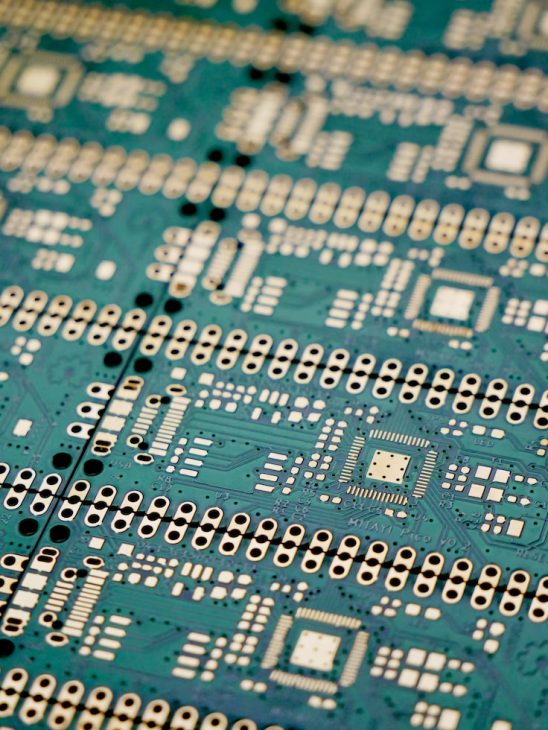
Figure 4: Unassembled circuit board close-up. Source: Vishnu Mohanan
Silicon
Renowned for its electronic properties, silicon forms the backbone of many of the semiconductors present within an emulator. These semiconductors, manufactured from silicon, are integral to the integrated circuits (ICs) and chips that underpin the operations of the emulator. Silicon's reliability ensures the steady and accurate processing of information.
Plastic Components
Plastics find their utility in various interface elements of a network emulator, such as buttons, connectors, and sometimes, partial casings. Their inherent moldability allows them to be shaped into diverse forms tailored to specific functionalities. Additionally, their electrically insulating nature ensures that they pose no risk of unintended electrical conduction.
Gold, Silver, or Tin
These metals, especially gold and silver, are highly regarded for their outstanding conductivity. Within emulators, they are often utilized in soldering processes and in the construction of specific connectors. Their inherent resistance to corrosion ensures that they maintain their functionality over extended periods, safeguarding the emulator's longevity and consistent performance.
Thermal Compounds (Thermal Grease)
Maintaining an optimal temperature helps increase the longevity and efficiency of electronic components. Thermal compounds, particularly thermal grease, are applied to bridge the gap between electronic components and heat sinks or casings. This bridging enhances the heat dissipation process, ensuring that components remain at a safe operating temperature.
Insulation Materials (Rubber or Plastic)
Safety and protection are of paramount importance in any electronic device. Insulation materials, like rubber or plastic, envelop cables and other potential conductive surfaces. This insulation reduces the risk of unintended electrical conduction, ensures minimal interference, and plays a vital role in preserving the integrity of the device's components.
Industry Applications of Network Emulators
Network emulators are used across various industries, enabling professionals to anticipate network behavior and adjust systems for optimal performance. Their ability to replicate real-world network conditions makes them invaluable in multiple sectors. Here's a look into some of the key industries where network emulators play a pivotal role:
Telecommunications
In the rapidly evolving telecommunication sector, emulators help service providers test new protocols, services, and devices. By simulating different network environments, they ensure that communication devices, such as smartphones and routers, deliver consistent performance, regardless of network congestion or other variable factors.
Cloud Computing and Data Centers
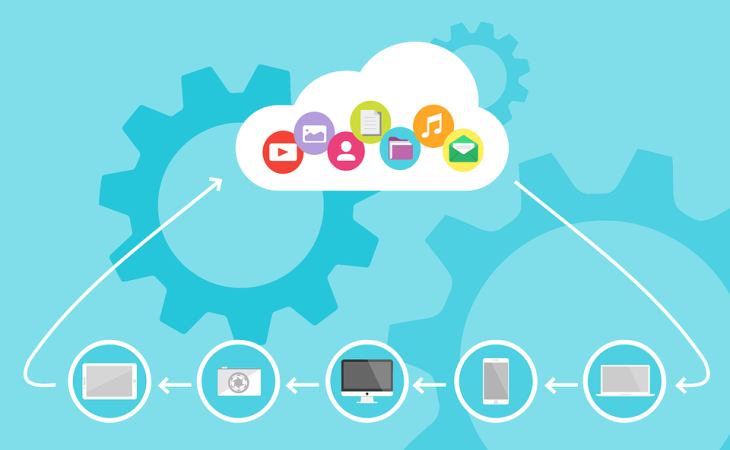
Figure 5: Cloud computing diagram. Source: Public domain
With the surge in cloud-based applications and the increasing reliance on data centers, it's crucial to understand how data traffic behaves. Network emulators allow cloud service providers to test their infrastructure under various conditions, ensuring efficient data transfer and minimizing latency issues.
Aerospace and Defense
Reliable communication is paramount in aerospace and defense applications. Emulators play a crucial role in testing communication systems for aircraft, drones, and defense communication equipment. By simulating challenging environments and potential disruptions, they ensure that systems remain robust and reliable.
Gaming Industry
Online gaming relies heavily on low latency and stable connections for a seamless user experience. Developers and gaming companies utilize network emulators to test how their games would perform under different network scenarios, ensuring smooth gameplay even under less-than-ideal conditions.
Streaming and Broadcast
With the growing consumption of online media, streaming platforms need to guarantee uninterrupted service. Network emulators help these platforms anticipate how their services will fare during peak traffic times or when faced with other network-related challenges.
Automotive Industry
Modern vehicles are becoming increasingly connected. Whether it is for in-car entertainment or vehicle-to-vehicle communication, the automotive sector relies on network emulators to test these systems under various conditions, ensuring safety and reliability on the road.
Research and Academia
Academic institutions and research organizations employ network emulators to simulate various network environments for studies and experiments. This enables researchers to gain insights into network behavior without the need for extensive real-world testing.
History of Network Emulators
The beginning of network emulators aligns with the early days of computer networking. As networks grew in complexity during the late 20th century, tools were developed to replicate and study network behaviors without altering live systems. Initially, these emulators were simple, simulating basic conditions like congestion or packet loss. However, by the late 1990s and early 2000s, the emergence of advanced network emulators catered to a wider array of networks, including cellular, satellite, and wireless. Now, in the modern digital age, their evolution has led to sophisticated hardware-software solutions essential for analyzing and optimizing intricate global networks.
Related Information
Electronics360—New Analyzer and Emulator Device for Test and Verification of Data Circuits Released
Electronics360—Keysight launches first Open RAN testing lab in Europe