Nesting Software Information
To minimize waste and maximize material usage in many types of machining, nesting software is absolutely critical. Often used for cutting parts out of metal plates or sheets of wood, nesting software optimizes the layout of those parts so that more parts fit on a sheet and less waste is generated for scrap. A process typically done manually by a skilled technician, nesting software allows for better nesting layouts in a fraction of the time.
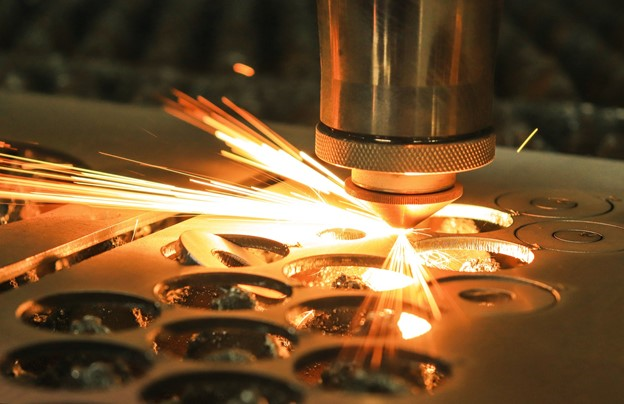
Figure 1: Often used for cutting parts out of metal plates or sheets of wood, nesting software optimizes the layout of those parts Source: Public domain
Theory of Application
Nesting software works by taking digital parts and running them through a nesting algorithm to determine the most efficient use of material given the constraints. With nesting software, parts can be cut out of plate material in a much more efficient manner. With 3D printing and other additive manufacturing techniques, nesting software uses a packing algorithm to determine a layout that makes the most efficient use of the build volume.
Finding the optimum layout of 2D parts with different shapes and sizes to maximize material utilization is no trivial task. Considered a 2D cutting and packing problem, the nesting algorithm must deal with difficult geometry, satisfy the no-overlapping and containment constraints, and perform complex computation. Additionally, these computations must be performed fairly quickly and with high accuracy.
Rectangular Parts Nesting
Most nesting algorithms start from the simple case of rectangular parts nesting. Over the years, better algorithms have been developed to solve this set of problems starting with bottom-left nesting algorithms all the way to advanced recursive methods using a tree search procedure. Even though many of these algorithms can nest simple rectangular parts in a somewhat optimized fashion, the complexity of irregular parts makes them very inefficient.
Enclosure Algorithms
The next step to solving the problem of irregular parts is the use of enclosure algorithms. These algorithms take irregular shapes and enclose them in rectangles or hexagons that are then nested using simpler algorithms. While efficient for the algorithm, these nesting patterns result in low material usage.
Space Searching Algorithms
To further increase material utilization rates, two issues have to be solved: finding empty space and filling the space. Algorithms for searching out empty space typically find the space and then use a simpler algorithm to nest parts within that subspace.
Hybrid Approach
Modern nesting software takes combinations of these algorithms and many more to determine solutions to the nesting problem. With higher speed computation coming down in price, even algorithms that use inserting, translating, and rotating methods are now functional. Through these combinations, nesting software is able to derive optimized nesting layouts that minimize material usage, stay within constraints, and generate results in reasonable amounts of time.
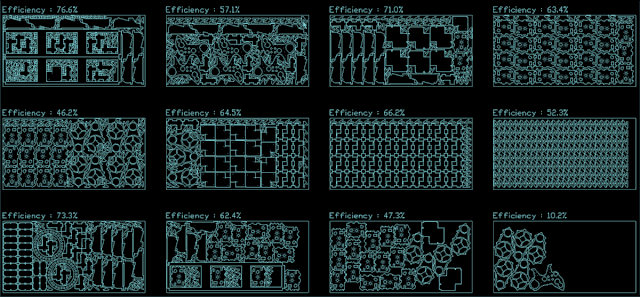
Figure 2: Nesting components cut on sheet metal. Source: Martinericbailey/CC BY-SA 4.0
Specifications
Common nesting software specifications typically revolve around the CAD system being used and how the nesting software will be integrated. Typical specifications include:
- Integrated CAD environment
- Integration with other CAD platforms
- CAM included
- Supported operating systems or web based
- Internet access requirement
- Subscription or one-time fee
Types
Many variations of nesting software exist on the market today. The software ranges from free, web-based solutions to more advanced software designed to run on a shop floor. The desired outcome for adding nesting software often dictates the type that is most appropriate. Some versions of nesting software fully integrate with ERP/MRP systems as well to document part quantities and trace parts all the way through to orders.
Automatic Nesting Systems
Tasked with the best way to cut out hundreds or thousands of parts out of sheets of material could take hours or days for a good technician. While the end result might be okay, it still is unlikely to be optimized.
Automatic nesting systems save massive amounts of labor by performing the same task using a computer and algorithms. Automatic nesting allows a technician to import CAD data, set the appropriate parameters, and let the software do the rest. The end result is a parts nesting that will take less time to cut and will have a higher rate of material usage.
Inventory Control Integration
Many types of nesting software seek to provide more value by building a deeper integration into the business and manufacturing environments. By accomplishing tasks like tracking inventory and work orders, some nesting software can optimize material usage based on raw material stock levels and can track individual parts through the plant as they are produced.
Features
Nesting software comes with many different options and available specifications. Knowing which features will be most useful allows for proper software selection.
Sheet Priority
While all nesting algorithms use different sorting algorithms to determine the best nesting pattern, the ability to put in parameters is crucial. Choosing the sheet priority allows the system to attempt to use certain size sheets of material more often. This feature can be critical for running lean operations.
Automatic Line Merging
Cutting over the same path twice is a waste of time. Automatic line merging lines parts up so that one cut will cut a side of both parts, reducing overall cutting time. Little features like these can result in meaningful reductions to process times.
Automatic Tabbing
Some parts are more likely to tip up during processing than others. Nesting software that can detect these kinds of parts can prevent this by adding tabs to keep the part attached to the skeleton. These tabs keep the rest of the process moving along efficiently.
Lead In/Out Compensation
For some cutting processes, lines must be slightly extended due to variations in the beginning and ends of the cutting process. Lead ins and lead outs ensure that the cut along the part is clean.
Thermal Compensation
Especially important when cutting sheet metal: heat generated during the cutting process can cause the material itself to slightly expand. Nesting software with the power to compensate for these changes results in an overall better finished product.
Remnant Nesting
Not all unused metal has to be scrapped. Remnant nesting allows remnant sheets to be placed into inventory and used to cut out additional parts later, reducing overall scrap counts.
Enhanced Sorting
When sorting parts from the skeleton, many types of nesting software can show the part number for the operator. Enhanced sorting provides more information, perhaps making each individual part a different color so that it is easier for the operator to identify parts that are the same.
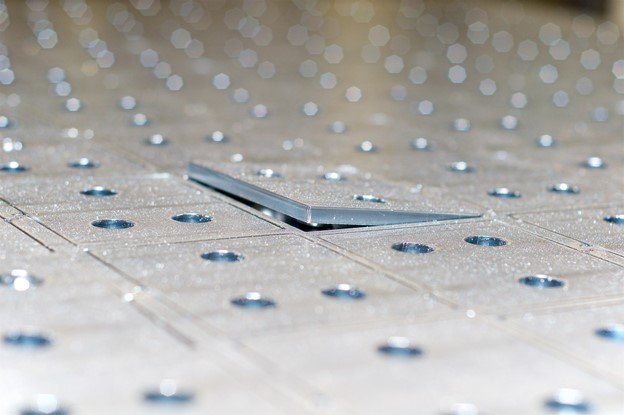
Figure 3: Nesting software can be used for many different applications. Source: Public domain
Applications
Nesting software can be used for many different applications including:
- Laser
- Oxyfuel
- 3D printing
- Punch
- Router
- Tube
- Plasma
- Waterjet
- Press brake
Any CNC machining that occurs on a plate or additive manufacturing that has a build volume can benefit from nesting software. The algorithms in the software find efficient uses for the plate material or the build volume, ensuring little is wasted. With nesting software process times are reduced, material usage efficiency is higher, and less time is needed to produce the same number of parts.
Related Information
References