
Evaporating Dishes Information
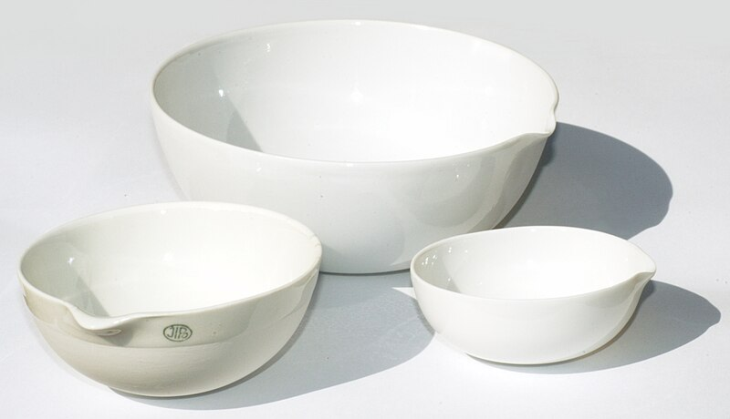
Figure 1: Evaporating dishes are laboratory instruments. Simon A. Eugster/CC BY-SA 3.0 DEED
Evaporating dishes are laboratory instruments used for separating compounds with different boiling points. Nonvolatile solutes dissolved in a solvent can be placed into an evaporating dish, covered with a watch glass, and the solvent allowed to boil off. As the solvent boils off, the solute is concentrated. Evaporating dishes serve a key role in many different laboratory applications and must be made to specially handle the conditions they are exposed to.
Theory of Operation
Evaporating dishes are essential tools in laboratory settings, designed to facilitate the evaporation of solvents, leaving behind a concentrated solution or a solid precipitate. Typically made from materials like porcelain or borosilicate glass, which are known for their resistance to thermal shock and chemical corrosion, these dishes are characterized by their shallow and wide form. This design is intentional, maximizing the surface area exposed to air and thereby enhancing the rate of evaporation.
The operation of an evaporating dish starts with the application of heat, usually from a hot plate or a Bunsen burner. This heat supplies the necessary energy for the solvent molecules to gain kinetic energy. As the temperature of the solvent increases, its molecules start to move more vigorously, reaching a point where they can overcome the intermolecular forces holding them in liquid form. When this happens, the molecules escape into the air as a gas, a process that gradually reduces the volume of the solvent in the dish.
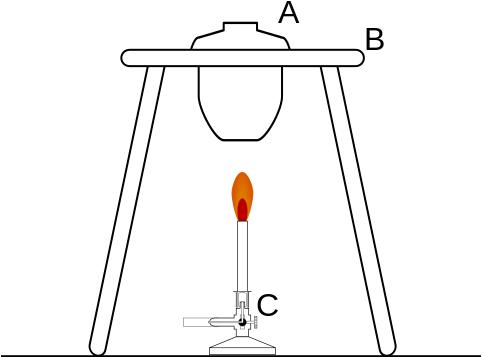
Figure 2: This wide and shallow shape of the evaporating dish plays a crucial role in the evaporation process. Source: Marek M./CC BY-SA 4.0 DEED
This wide and shallow shape of the evaporating dish plays a crucial role in the evaporation process. By providing a large surface area, it allows more solvent molecules to escape into the air simultaneously, thereby speeding up the evaporation process. This is especially important in analytical chemistry, where evaporating dishes are used to dry solutions until all the solvent has evaporated, leaving a solid residue. This residue is often weighed for analytical purposes.
The efficiency of an evaporating dish in facilitating this process is influenced by various factors. These include the intensity of the heat source, ambient conditions like temperature and humidity, and the physical properties of the solvent itself, such as its boiling point and vapor pressure. Once the evaporation process is complete, it's essential to allow the dish and its contents to cool. This step is not only crucial for safety but also ensures that the remaining substance, if solid, is properly settled and ready for further analysis or use.
Specifications
Evaporating dishes are commonly used in laboratories for processes like drying, concentrating solutions, or performing chemical reactions that involve heating under reduced pressures. To ensure they are suitable for these purposes, evaporating dishes come with specific specifications that vary based on their intended use and the nature of the substances being handled. Here are some key specifications:
Material
Evaporating dishes are typically made from materials like:
- Porcelain
- Borosilicate glass
- Quartz
- PTFE (Polytetrafluoroethylene)
Porcelain is resistant to high temperatures and most chemicals. Porcelain evaporating dishes are ideal for general laboratory use. Borosilicate glass is resistant to thermal shock and chemical attack. These dishes are suitable for handling acids and other corrosive substances. Quartz is used for very high-temperature applications. PTFE is used for handling highly corrosive substances.
Size and Capacity
The size of evaporating dishes can range from small (few milliliters) to large (several hundred milliliters). The choice depends on the volume of the substance to be evaporated and the concentration desired. Larger capacity evaporating dishes require larger heat sources to fully evaporate the liquids inside.
Shape
Typically evaporating dishes are shallow with a flat or rounded bottom. The wide mouth and shallow depth increase the surface area, promoting faster evaporation. The large exposed surface area provides more opportunities for evaporation to occur as molecules break free from the liquid in the dish.
Heat Resistance
The maximum temperature that the dish can withstand without deforming or breaking is the heat resistance specification. This varies based on the material, with porcelain and quartz dishes typically withstanding higher temperatures than glass.
Chemical Resistance
Resistance to chemicals, particularly acids, bases, and solvents can be a very important specification for some evaporating dishes. This is crucial when evaporating corrosive substances.
Thermal Shock Resistance
Evaporating dishes can see rapid changes in temperature. The ability to withstand rapid temperature changes without cracking is typically referred to as thermal shock resistance. Borosilicate glass and quartz have high thermal shock resistance.
Compatibility with Heating Equipment
Some dishes are specifically designed to be used with certain types of heating equipment like hot plates, Bunsen burners, or oven drying.
Lids or Covers
Some dishes come with lids to prevent contamination or to control the evaporation rate. Lids and covers also protect from splatter, which can occur as the solution becomes concentrated.
Graduations
Some evaporating dishes have graduations for measuring the volume of liquids. Graduations make it much easier to gauge the rate of evaporation.
Durability and Ease of Cleaning
Resistance to scratches and ease of cleaning are important for maintaining purity of samples.
When selecting an evaporating dish, the key considerations are the type of substance being evaporated, the temperature requirements, the chemical resistance needed, and the volume of material being handled. It's also important to consider the compatibility with the heating method being used. For instance, some materials may not be suitable for direct flame heating but work well on hot plates.
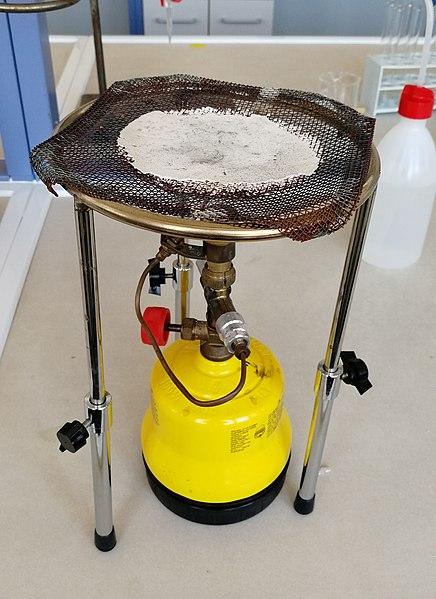
Figure 3: Evaporating dishes come in various type. Source: AGeremia/CC BY-SA 4.0 DEED
Types
Evaporating dishes come in various types to cater to different experimental needs. Each type is designed with specific materials and features to accommodate the diverse requirements of chemical reactions, solvent evaporation, and sample preparation. Here's a comprehensive overview of the common types:
Porcelain Evaporating Dishes
Made from high-quality porcelain, these evaporating dishes are generally able to withstand high temperatures. Porcelain evaporating dishes are typically suitable for applications involving strong heating. They are widely used for routine evaporation tasks, especially in applications where samples are heated to high temperatures. The surface of porcelain evaporating dishes is often a glazed surface to facilitate easy cleaning and prevent sample sticking.
Glass Evaporating Dishes
Glass evaporating dishes are typically made from borosilicate glass. They are resistant to thermal shock and most chemicals. Ideal applications for glass evaporating dishes are evaporating liquids, especially acidic or basic solutions, which might react with other materials. Their transparent nature allows for easy monitoring of the contents.
Quartz Evaporating Dishes
Made from high-purity quartz, these dishes can withstand very high temperatures. Quartz evaporating dishes can withstand higher temperatures than both porcelain and glass. They are also highly resistant to a wide range of chemicals. Quartz dishes are suitable for specialized applications, such as those requiring ultra-high temperatures or dealing with highly reactive substances.
PTFE (Polytetrafluoroethylene) Evaporating Dishes
Constructed from PTFE, a type of high-performance plastic, these dishes are highly resistant to almost all chemicals including strong acids and bases. They are suitable for a wide range of temperatures, but generally lower than glass or porcelain. These dishes are ideal for handling highly corrosive substances or when a non-reactive surface is required.
Stainless Steel Evaporating Dishes
Stainless steel evaporating dishes are highly durable and resistant to physical wear. They have good heat resistance, but not as high as porcelain or quartz. They are commonly used in applications where metal ion contamination is not a concern, and robustness is required.
Platinum Evaporating Dishes
Made of platinum, these evaporating dishes are the most expensive. These dishes are used for very specific applications where inertness and high-temperature resistance are critical. These dishes are commonly used in high-precision analytical work, such as in trace analysis where contamination must be minimized.
Each type of evaporating dish is chosen based on factors such as the nature of the chemicals involved, the temperature requirements, the desired rate of evaporation, and budget constraints. For instance, porcelain and glass dishes are common in educational and routine laboratory settings due to their cost-effectiveness and general chemical resistance. In contrast, quartz, PTFE, stainless steel, and platinum dishes are more specialized and are chosen for specific applications where their unique properties are essential.
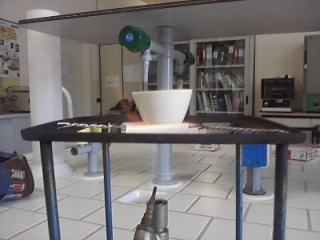
Figure 4: Evaporating dishes come with a range of features. Mimmo136/CC BY-SA 3.0 DEED
Features
Evaporating dishes come with a range of features designed to meet various experimental needs. These features determine their functionality, efficiency, and suitability for specific tasks. Here's a comprehensive overview of the key features of evaporating dishes:
Surface Characteristics
Evaporating dishes may feature a glazed or matte interior surface. Glazed surfaces prevent sticking of materials and facilitate easier cleaning.
Transparency (for Glass Dishes)
The ability to see into the evaporating dish allows for easy monitoring of the contents during the evaporation process.
Compatibility with Heating Devices
Evaporating dishes may not be suitable for use with all types of heating devices. Some are suitable for use with various heat sources such as Bunsen burners, hot plates, and ovens. Materials, like PTFE, might have restrictions on the type of heating that can be used.
Ease of Cleaning
Non-stick and smooth surfaces facilitate easy cleaning and reduce the risk of contaminating subsequent samples.
The selection of an evaporating dish with the right combination of these features is critical for the success of laboratory experiments, particularly those involving the concentration of solutions or the drying of precipitates. The choice largely depends on the chemical nature of the substances being handled, the required temperature and chemical resistance, and the desired evaporation rate.
Manufacture
The manufacturing of evaporating dishes involves several steps and processes, each tailored to the material being used and the specific design requirements of the dishes. Different materials such as porcelain, borosilicate glass, quartz, PTFE, stainless steel, and platinum require distinct manufacturing techniques. Here's a comprehensive overview of the manufacturing processes for the most common types of evaporating dishes:
Porcelain Evaporating Dishes
Raw material preparation begins with the preparation of a porcelain mixture, typically a blend of kaolin, feldspar, and quartz. The mixture is shaped into the desired dish form. This can be done through pressing, casting, or turning on a potter's wheel. The formed dishes are slowly dried to remove moisture. The dried dishes undergo a first firing at a lower temperature, known as bisque firing, which hardens the material without vitrifying it.
A glaze, often made from a glass-like silicate, is applied to the surface. This glaze can be either dipped, sprayed, or brushed on. A second firing at a higher temperature vitrifies the glaze, creating a smooth, glassy surface that is chemically resistant and easy to clean.
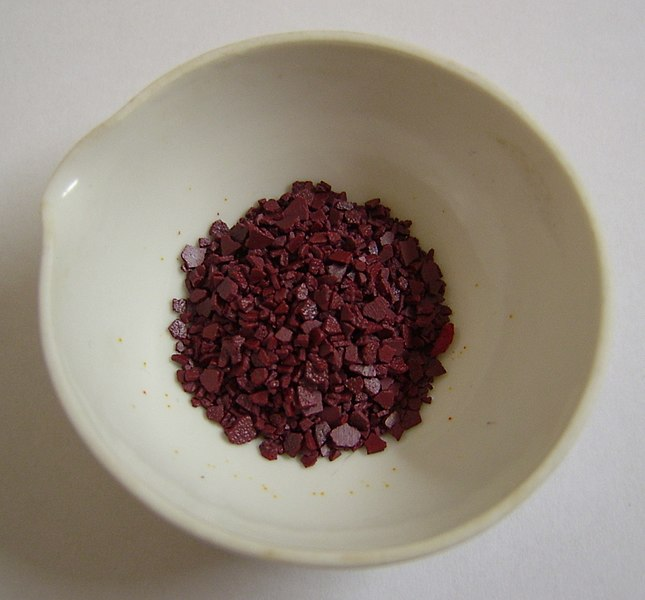
Figure 5: Glass evaporating dish manufacturing begins with the preparation of a borosilicate glass batch. Source: BXXXD/ CC BY-SA 3.0
Borosilicate Glass Evaporating Dishes
Glass evaporating dish manufacturing begins with the preparation of a borosilicate glass batch. This batch includes silica, boron oxide, soda, and alumina. The batch is melted in a furnace at high temperatures. The molten glass is shaped into dishes through various processes like blowing, pressing, or casting. The formed dishes are slowly cooled in an annealing oven to relieve internal stresses. Additional processes such as grinding or polishing may be applied to achieve the desired surface finish and dimensions.
Quartz Evaporating Dishes
Manufacturing of quartz evaporating dishes starts with pure quartz, either naturally occurring or synthetic. The quartz is melted at extremely high temperatures. The molten quartz is then formed into dishes, often using specialized equipment due to the high melting point of quartz. Similar to glass, quartz dishes are annealed to remove internal stresses.
Each material and manufacturing process has its unique set of challenges and quality control requirements. The choice of manufacturing method depends on factors such as the desired properties of the final product, the scale of production, and cost considerations. The manufacturing process also needs to adhere to various safety and quality standards, especially since these dishes are used in sensitive laboratory environments.
Applications
Evaporating dishes are versatile laboratory tools used in various scientific fields for a range of applications. Their primary function is to hold liquids for evaporation, but their use extends beyond this basic task. Here’s a comprehensive overview of their applications:
Concentration of Solutions
Evaporating dishes are often used to evaporate solvents, typically water or organic solvents, to increase the concentration of dissolved substances. Common in chemistry and biochemistry labs, evaporating dishes are used for preparing more concentrated solutions.
Sample Drying
They are also employed for drying samples, either to remove all moisture or to reach a constant mass. This is particularly important in analytical chemistry for gravimetric analysis.
Precipitation and Crystallization Studies
Utilized in processes where a solute is precipitated out of the solution or crystallized, evaporating dishes play a key role. Evaporation dishes provide a controlled environment for these processes to occur.
Heating and Chemical Reactions
Evaporating dishes are suitable for conducting chemical reactions that require heating. The wide surface area allows for even heating and easy stirring of reactants.
Sample Preparation
They are also used in preparing samples for further analysis or testing, such as in environmental testing, food analysis, and pharmaceutical research.
Evaporation Under Reduced Pressure
Some evaporating dishes are designed to be used under reduced pressure or vacuum conditions. These conditions enhance the evaporation rate without the need for high temperatures.
Melting Point Determination
Some high-temperature-resistant dishes can be used to determine the melting point of small quantities of substances.
The choice of an evaporating dish for a particular application depends on several factors, including the chemical nature of the substances being handled, the required temperature range, the volume of material, and the specific requirements of the experimental procedure.
Additionally, the material of the evaporating dish is a crucial consideration, as different materials offer varying degrees of heat and chemical resistance, as well as suitability for different types of heating methods.
Standards
Evaporating dishes, used extensively in laboratories, are subject to various standards that ensure their quality, safety, and effectiveness. These standards are set by international and national organizations and cover aspects like material composition, durability, heat resistance, and safety. Here's a comprehensive overview of the types of standards that typically apply to evaporating dishes:
- ISO 3585
- ISO 4796
- ASTM E960
- ASTM C242
- DIN 12331
- ISO 9001
Standards like ISO 3585, ISO 4796, ASTM E960, ASTM C242, and DIN 12331 focus on material quality and performance specifications. These standards specify requirements for borosilicate glass 3.3 and other materials often used in the manufacture of glass evaporating dishes. They cover properties like thermal resistance and chemical durability. They also pertain to laboratory glassware, including specifications for materials, design, and performance.
Regulations like REACH (Registration, Evaluation, Authorization, and Restriction of Chemicals) in the EU, and similar regulations in other regions, ensure that materials used do not have adverse environmental or health impacts.
These standards are essential to ensure that evaporating dishes perform reliably and safely in the laboratory environment, providing consistent results and maintaining the integrity of scientific experiments. When purchasing evaporating dishes, it's important for laboratories and researchers to check that the products comply with relevant standards and are suitable for their specific applications.