Laboratory Stoppers Information
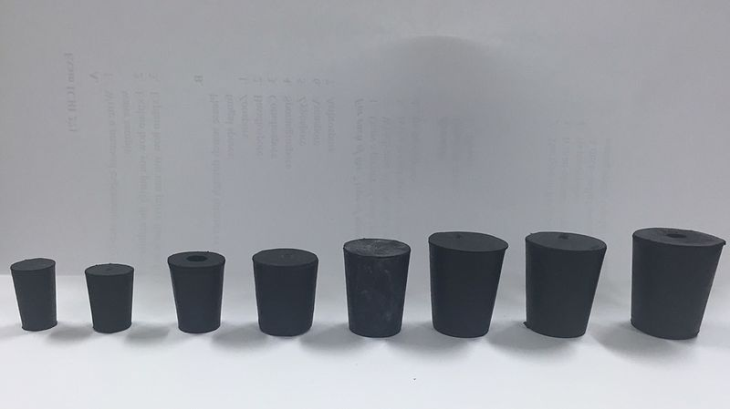
Figure 1: Rubber bungs. Source: Nadans/CC BY-SA 4.0
Containers and glassware in laboratories can contain some dangerous chemicals. Other compounds may react with ambient air or may boil off at low temperatures. For these reasons and many more, laboratory stoppers are used to keep these containers sealed until they are needed.
Theory of Operation
Laboratory stoppers, also known as bungs, play a crucial role in creating a secure seal on containers to maintain the integrity of the substances within. The primary mechanism behind this sealing action lies in the design and material properties of the stopper. When a stopper is inserted into the opening of a container, such as a flask or test tube, it forms a physical barrier that prevents the escape of liquids or gases.
The materials commonly used for laboratory stoppers, such as rubber, silicone, or glass, are chosen for their flexibility or rigidity, chemical resistance, and ability to form a tight seal. Flexible materials like rubber or silicone can deform slightly to fit snugly within the container opening, while rigid materials like glass can provide a precise fit due to their manufactured dimensions.
The effectiveness of the seal created by a laboratory stopper also relies on the matching of the stopper size to the container opening. Stoppers come in various standard sizes, and selecting the correct size is essential for forming a proper seal. The stopper should fit snugly within the opening without any gaps, but not so tightly that it becomes difficult to insert or remove. When inserted, the outer surface of the stopper forms a continuous contact with the inner surface of the container opening, creating a barrier that prevents the entry or exit of substances. In the case of flexible stoppers, the material can conform to minor irregularities in the container opening, enhancing the sealing effect.
In addition to the physical fit, some laboratory stoppers may have special designs or features to improve the sealing effect. For instance, some stoppers may have a tapered design, which can enhance the fit and sealing effect as the stopper is inserted further into the container opening. Others may have grooves or ridges that can increase the contact area with the container opening and provide additional sealing effectiveness
Moreover, the ability of stoppers to maintain a seal under varying temperature conditions is vital, as laboratory experiments often involve heating or cooling. Some stoppers are also designed with holes to accommodate tubing, yet still maintain a seal around the tubing to ensure a closed system. This allows for the controlled transfer of substances into or out of the container, demonstrating the versatility and essential functionality of laboratory stoppers in supporting a wide range of experimental setups.
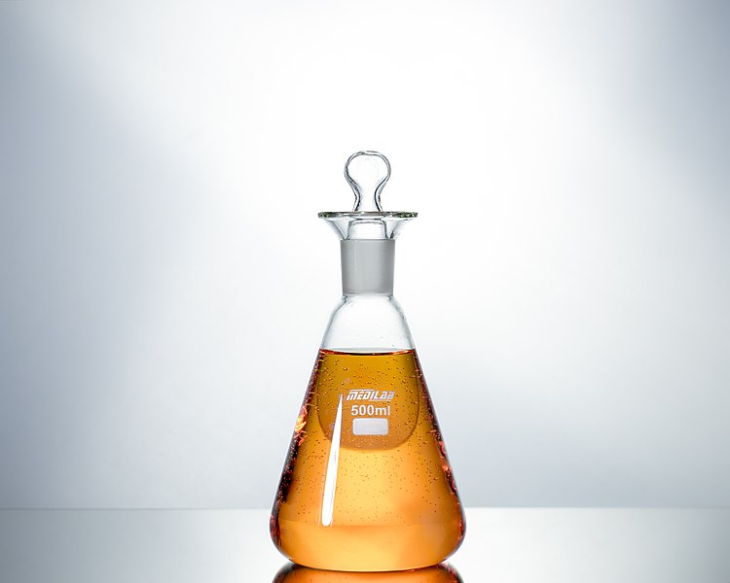
Figure 2: An iodine flask with a solid glass stopper. Source: PhotoCave CC BY-SA 4.0
Specifications
Laboratory stoppers are used to seal containers such as flasks, test tubes, and other laboratory glassware. The specifications for laboratory stoppers can vary based on their intended use and the type of container they are designed to seal. However, here are some general specifications and features you might find:
Material
Laboratory stoppers can be made from a wide variety of different materials. Rubber stoppers are typically made of natural or synthetic rubber and provide a good seal. They are commonly used for temporary closures Silicone stoppers are made of silicone rubber. They are more temperature-resistant and chemically inert than regular rubber stoppers. Glass stoppers are used for ground glass joints to provide an airtight seal. Reagent bottles commonly use glass stoppers. PTFE (Teflon) stoppers are chemically inert and often used in situations where contamination is a concern.
Size
Stoppers come in various sizes to fit a wide range of glassware openings. The size is often indicated by a number (e.g., #00, #0, #1, up to #10 or more). The larger the number, the larger the stopper. Stopper size must be matched to the size of the vessel being contained.
Shape
A few different shapes are commonly available for stoppers. Solid stoppers are completely solid without any holes. One-hole stoppers have a single hole to allow for the insertion of tubing or a thermometer. Two-hole stoppers have two holes for dual insertions.
Tapered Design
Most rubber and silicone stoppers have a tapered design to ensure a tight fit in various diameters of openings. The tapered design allows the stopper to enter the container as needed until a continuous seal is formed.
Temperature Resistance
Depending on the material, stoppers can resist different temperature ranges. For instance, silicone stoppers can typically handle higher temperatures than regular rubber stoppers.
Chemical Resistance
The stopper material should be resistant to the chemicals it will come into contact with. For example, PTFE and silicone are often chosen for their broad chemical resistance.
Sterilizability
In many lab applications, especially in microbiology, the ability to sterilize stoppers is crucial. Silicone and glass stoppers can typically be autoclaved.
Surface Finish
Some stoppers, especially glass ones, may have a ground finish to ensure a tighter and more consistent seal.
Color
Rubber and silicone stoppers can come in various colors, although black and white are most common.
When selecting a laboratory stopper, it's essential to consider the specific requirements of your experiment or process, such as the chemicals used, temperature conditions, and the need for airtight sealing. Always check with the manufacturer or supplier for specific details about a particular stopper's specifications and recommended uses.
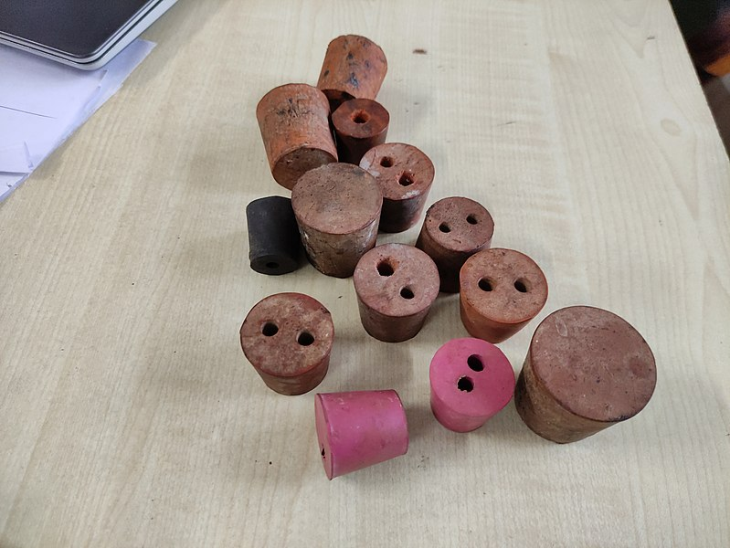
Figure 3: Rubber stoppers. Source: Vis M/CC BY-SA 4.0
Types
Laboratory stoppers come in various types based on their material, design, and intended use. Here are the primary types of laboratory stoppers:
Rubber Stoppers
Made of natural or synthetic rubber, these stoppers are commonly used for temporary closures because of their flexibility and ease of use. They might degrade over time, especially when exposed to certain chemicals.
Silicone Stoppers
Made from silicone rubber, these stoppers are more temperature-resistant and chemically inert than regular rubber stoppers. These stoppers are often used in applications requiring high-temperature sterilization, like autoclaving.
Glass Stoppers
Typically used with ground glass joints, these stoppers can provide an airtight seal. They are commonly found in reagent bottles and certain types of flasks.
PTFE (Teflon) Stoppers
Polytetrafluoroethylene, commonly known as Teflon, is also used to make laboratory stoppers. This type of stopper is highly chemically resistant and often used in situations where contamination might be a concern. They are suitable for use with highly reactive chemicals.
Cork Stoppers
Made from natural cork, these stoppers are less common in modern laboratories due to potential contamination issues. Even still, they are used in some settings for specific applications. They are also often seen in older lab setups or for more rustic applications, like sealing fermentation vessels in biology experiments.
Polyethylene and Polypropylene Stoppers
Stoppers can also be made from plastic materials. They are chemically resistant to a range of substances. They are often used in disposable labware or for short-term storage.
Design Variations
Any of these stopper types can also come with different design variations. Common variations include:
- Solid stoppers are completely solid without any holes.
- One-hole stoppers feature a single hole, allowing for the insertion of tubing, a thermometer, or other instruments.
- Two-hole stoppers have two holes, facilitating dual insertions, such as a thermometer and a stirrer.
- Septum stoppers are designed to be punctured by a syringe needle for sample withdrawal or addition without removing the stopper.
- Flange stoppers feature a flanged top, which makes them easier to remove or manipulate.
When choosing a laboratory stopper, consider the specific needs of your experiment, the compatibility of the stopper material with the chemicals you're using, and the type of seal required. Always check with the manufacturer or supplier for specific details and recommendations.

Figure 4: Laboratory. Source: Pixabay
Features
Laboratory stoppers possess several features that enable them to function effectively in a wide range of applications. Here are some of the key features:
Material Compatibility
Not all stoppers are compatible with the substance being contained. Stoppers should be made from materials that resist degradation from chemicals, ensuring longevity and safety in various applications.
Tapered Design
Many stoppers have a tapered shape, allowing them to fit snugly in a variety of glassware openings.
Sealing Ability
Good laboratory stoppers provide an airtight and liquid-tight seal, preventing the escape of gases or liquids.
Easy Insertion and Removal
Stoppers should be easy to insert and remove without excessive force, preventing potential damage to glassware.
Color-coded
Some rubber and silicone stoppers come in different colors, which can be useful for quick identification or to designate specific uses.
Resistance to Permeability
Good stoppers resist permeation by gases like oxygen or carbon dioxide, which can be crucial for certain experiments.
Reusability
Many laboratory stoppers can be cleaned and reused multiple times, ensuring cost-effectiveness.
Anti-roll Design
Some stoppers have features that prevent them from rolling when placed on flat surfaces, which can be useful during setup or storage.
When selecting a laboratory stopper, it's essential to prioritize features that align with the specific needs of your experiment or process. Always ensure that the stopper is compatible with the chemicals you're using, provides the necessary seal, and meets any other specific requirements you may have.
Manufacture
The manufacturing process for laboratory stoppers varies depending on the material and the specific type of stopper being produced. Below is a general overview of how different types of laboratory stoppers are manufactured:
Rubber and Silicone Stoppers
The primary method for manufacturing rubber and silicone stoppers is molding. The rubber or silicone material is heated until it becomes malleable. The heated material is placed into a mold cavity shaped like the final stopper. The mold is then closed, and pressure is applied, causing the material to take the shape of the mold.
After molding, the stopper undergoes a curing process where it is exposed to heat to solidify and stabilize its shape. After curing, any excess material (flash) is trimmed off. If holes are required in the stopper, they are punched out at this stage.
Glass Stoppers
Glass stoppers are often made using glass blowing techniques, either by hand or machine. The stopper's tapered portion is ground to create a smooth surface that can form a tight seal with ground glass joint glassware. The glass stopper is slowly cooled in an annealing oven to relieve any internal stresses.
Cork Stoppers
Cork is harvested from the bark of the cork oak tree. The harvested cork is boiled to increase its elasticity and then cleaned. Cork stoppers are punched out from the cleaned cork sheets using cylindrical punches. The punched-out stoppers are then sanded to smooth the surface and sometimes treated with substances to enhance their sealing properties.
Polyethylene and Polypropylene Stoppers
Plastic stoppers are typically manufactured using injection molding. Molten plastic is injected into a mold cavity and allowed to cool and solidify. After removal from the mold, any excess material is trimmed off.
Quality Control
For all types of stoppers, quality control is crucial. Stoppers are inspected for defects, proper size, and functionality. Some may undergo tests for chemical resistance, permeability, and other relevant properties.
Some laboratory stoppers, especially those used in microbiological or medical applications, are sterilized before packaging. Common sterilization methods include autoclaving, gamma irradiation, or ethylene oxide treatment.
Once manufactured and passed quality control, the stoppers are packaged, often in bulk, and prepared for distribution.
It's worth noting that the exact manufacturing process can vary based on the manufacturer, the specific requirements of the stopper, and advancements in manufacturing technology. The design and material of the stopper greatly influence how any individual laboratory stopper is made.
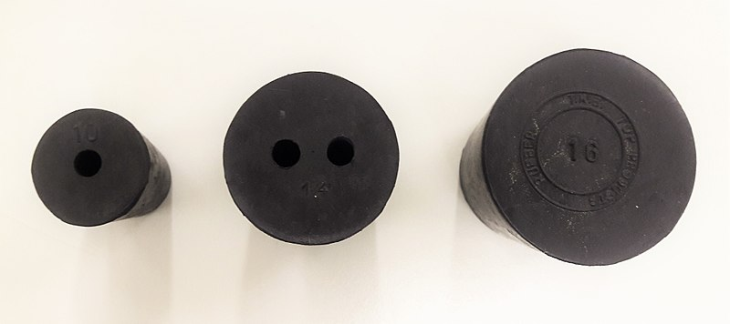
Figure 5: A series of rubber stoppers. Source: U5780710/CC BY-SA 4.0
Applications
Laboratory stoppers have a variety of applications across diverse scientific disciplines. Their primary purpose is to seal containers, but their specific use can differ based on the experiment or process. Here are some common applications for laboratory stoppers:
Sealing Flasks and Bottles
Stoppers are used to seal Erlenmeyer flasks, volumetric flasks, and reagent bottles, preventing contamination and evaporation.
Gas Collection Experiments
When collecting gases in an experiment, a stopper with tubing is used to direct the gas from the reaction vessel to the collection vessel.
Vacuum Applications
Stoppers can seal containers under reduced pressure for experiments that require a vacuum.
Microbiological Cultures
Stoppers are used to seal culture flasks, ensuring that contaminants are kept out while allowing the culture to grow.
Thermometric Measurements
One-hole stoppers can be used to insert a thermometer into a flask or container, allowing for temperature measurements during reactions or processes.
Titration
Stoppers seal the flask to prevent evaporation and contamination during titration experiments.
Fermentation Processes
Stoppers, often with airlocks or tubes, are used in fermentation vessels to allow gases to escape while preventing contaminants from entering.
Sample Storage
Stoppers seal vials and other containers used for storing samples, ensuring they remain uncontaminated and preserving their integrity.
Chemical Synthesis
During chemical reactions, stoppers can be used to seal reaction vessels, ensuring that the reaction environment remains controlled.
These are just a few of the many applications of laboratory stoppers. The specific use often depends on the nature of the experiment, the type of container being sealed, and the requirements of the process.
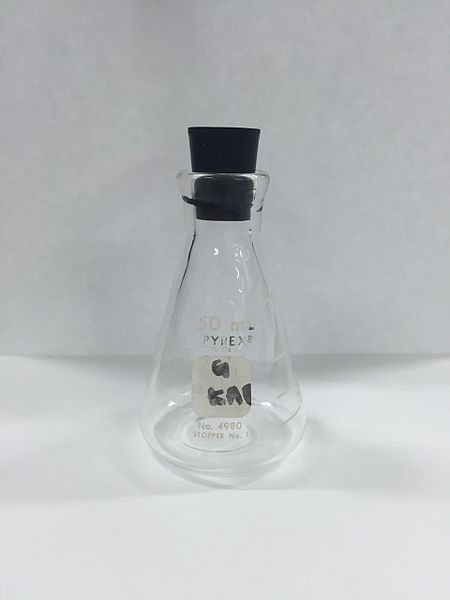
Figure 6: Rubber bung. Source: Nadans/CC BY-SA 4.0
Standards
Standards for laboratory equipment, including stoppers, are set by various international and national organizations to ensure quality, safety, and consistency. While there may not be specific standards dedicated solely to laboratory stoppers, they often fall under broader standards related to laboratory glassware, rubber, and plastic products. Here are some standards and organizations that may apply to laboratory stoppers:
- ISO (International Organization for Standardization)
- ASTM International
- USP (United States Pharmacopeia)
- FDA (U.S. Food and Drug Administration)
- BS (British Standards)
ISO has numerous standards related to laboratory equipment. While not specific to stoppers, standards related to the material, manufacture, and use of laboratory glassware or plasticware may indirectly apply to stoppers.
ASTM has standards related to rubber and plastic materials, which might be relevant for rubber and plastic stoppers. For instance, standards related to the chemical resistance, aging, and physical properties of rubber could be relevant.
USP sets standards for pharmaceuticals and medical devices. If a stopper is used in a pharmaceutical setting, it might need to meet specific USP standards, especially regarding leachables, extractables, and biocompatibility.
For stoppers used in medical or food-related applications in the U.S., FDA guidelines and regulations might apply, particularly concerning material safety and cleanliness.
Autoclavability Standards
If a stopper is marketed as autoclavable, it should meet specific standards related to heat resistance and the ability to be sterilized without degradation.
Biocompatibility Standards
For stoppers used in biological or medical applications, they might need to meet biocompatibility standards, ensuring they don't have adverse effects when in contact with biological samples.
When sourcing or using laboratory stoppers, especially for critical applications, it's essential to check for any relevant standards or certifications. Manufacturers typically provide information on the standards their products meet. If specific standards are required for an application, it's always a good idea to consult with experts or regulatory bodies to ensure compliance.