Stranders, Bunchers and Cablers Information
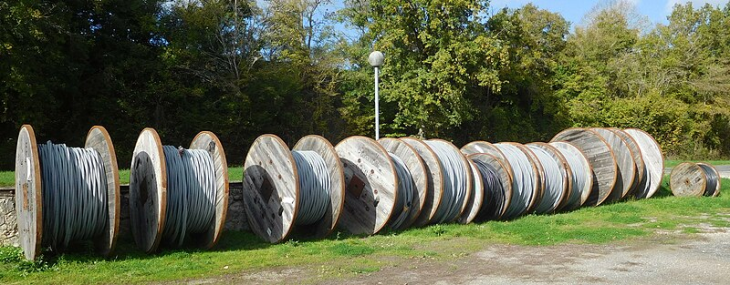
Figure 1: Stranders play a pivotal role in the initial stages of cable manufacturing.Source: Cjp24/CC BY-SA 4.0
Wire and cable connect the world. Whether transmitting power or information, the world relies on electrical wires to get the job done. Mechanically connecting the world relies on cables and wire too. Meeting the world’s demand for these wires and cables requires stranders, bunchers, and cablers to accurately and quickly make these cables. These machines allow for the high-speed, quality-controlled manufacture of cables and wires of all sizes and types.
Theory of Operation
Stranders play a pivotal role in the initial stages of cable manufacturing. Their primary function is to assemble multiple thin wires or filaments into a single, more substantial conductor. This process involves a central rotating element, around which multiple spools of wire are strategically placed.
As the element spins, these wires are twisted together, forming a unified stranded conductor. The specific characteristics of the strand, such as its tightness and lay length (the length of one complete twist in the strand), are determined by the rate of rotation and the angle at which the wires enter the strander. This technique is essential for creating various products, including electrical cables, ropes, and reinforced materials, where the strength and flexibility of a stranded conductor are required. Strands are often grouped into a 1 x 7 or 1 x 19 configuration.
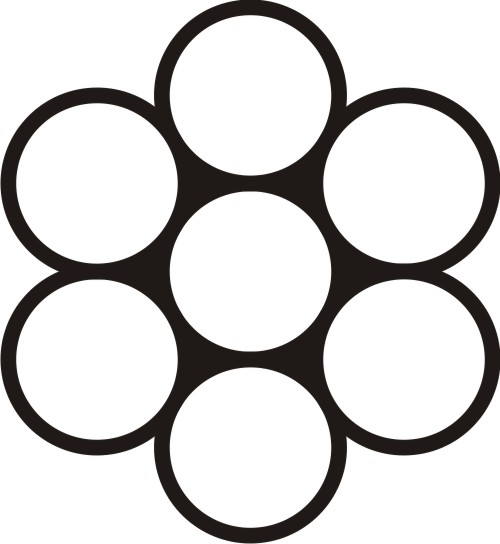
Figure 2: Wire rope. Source: Baran Ivo/Public domain

Figure 3: Wire rope. Source: Baran Ivo/Public domain
Bunchers are another crucial type of machinery in cable manufacturing, particularly for producing finer and more flexible conductors. They are similar to stranders in their basic function but are specifically used for smaller gauge wires. In a buncher, multiple thin wires are drawn in and collectively twisted to form a flexible conductor. The unique aspect of bunchers lies in their ability to handle finer wires and allow for greater flexibility in the end product. This makes them particularly suitable for the production of cables that require a high degree of pliability, such as those found in electronic devices or in intricate wire assemblies.
Finally, cablers are essential in the latter stages of cable production. Their main task is to combine pre-stranded conductors or cables into a larger and more complex cable structure. Cablers are equipped with multiple reels holding these pre-stranded components. During operation, these components are twisted together to form a larger cable. An important feature of cablers is their ability to add additional layers during this process. These may include insulation or protective materials, tailored to the specific requirements of the cable being produced. Cablers are indispensable for creating multi-layered or complex cables, which are commonly used in applications such as power transmission, telecommunications, and other heavy-duty uses.
Each of these machine types has a distinct and crucial role in the cable manufacturing process. While stranders and bunchers focus on the initial formation of conductors with varying degrees of flexibility and strength, cablers are responsible for the final assembly and enhancement of the cable. The selection of a particular machine type depends on various factors, including the type of cable being produced, the desired properties of the final product, and the scale of production. Together, these machines ensure the production of a wide range of cables, each tailored to meet specific functional requirements and industry standards.
Specifications
The specifications for stranders, bunchers, and cablers vary depending on their intended use, design, and the specific requirements of the cable manufacturing process. Here are some of the most common specifications encountered with these machines:
Wire Diameter Range
Different machines can handle different ranges of wire diameters. This can vary widely depending on the strander or cabler type.
Stranding Speed
The speed at which the machine can strand wires together, typically measured in rotations per minute (RPM), is called the stranding speed.
Lay Length Range
The lay length is the length of one spiral twist of the strand, bunch, or cable. The range of lay lengths that can be achieved should be specified for each machine.
Bobbin Size Capacity
The size of the bobbin or spool that the machine can accommodate will determine how long the machine can run during each cycle.
Number of Wires
The maximum number of wires that can be stranded together is an important specification and determines what applications the machine can be used for.
Drive Power
The power of the motor driving the stranding process is critical. The drive power will directly impact the throughput of the machine.
Twist Direction
Some bunchers and cablers can twist in both directions, which is important for certain types of cable constructions.
Take-Up Reel Size
The cable or strand being produced is wound around a take-up reel as it leaves the machine. The size of the reel where the bunched cable is wound is an important specification.
Tension Control
Tension control ensures that the wires are stranded together properly. The mechanism and system for controlling the tension of both the input and output wires are critical to maintaining quality.
These specifications are just a general guide to common specifications. Each manufacturer and model of strander, buncher, and cabler can have unique features and specifications tailored to specific production needs. For precise details, it's best to consult with the manufacturers or technical datasheets of the specific models you're interested in.
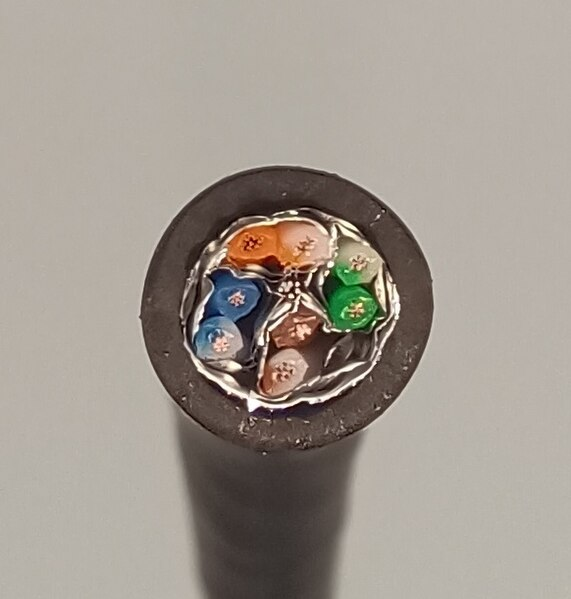
Figure 4: Cross-section of a CAT8 cable with RJ45 connectors. Source: Mx. Granger/Public domain
Types
Stranders, bunchers, and cablers come in various types, each designed to suit specific applications and requirements in the cable manufacturing industry. Here’s an overview of the different types:
Rotary Stranders
These machines use a rotating assembly to twist wires around a central core. They are ideal for creating strong, flexible cables.
Tubular Stranders
Tubular stranders feature a rotating tube through which wires are fed and twisted. They are commonly used for making electrical conductors.
Rigid Frame Stranders
These stranders feature a rigid cage-like structure with multiple wire bobbins. They are suitable for large and high-strength cables.
Planetary Stranders
These sophisticated machines utilize a planetary gear system, allowing bobbins to orbit around a central axis while rotating on their own axes. These machines offer high-speed production and minimal wire twisting.
Drum Twisters
Drum twisters are ideal for longer lay lengths and larger cable assemblies. They are often used for power cables and overhead conductors.
Double Twist Bunchers and Cablers
These machines twist wires using a rotating bow around a stationary spindle. They are very efficient for high-speed bunching of small to medium gauge wires.
Single Twist Bunchers and Cablers
These machines involve a single rotating reel that twists the wires as it collects them. They are preferred for precision and fine wire applications.
Bow Cablers
Bow cablers use a high-speed bow system for cabling. This type of machine is suitable for medium and high-voltage cable productions.
Each type of strander, buncher, and cabler offers distinct advantages and is chosen based on the specific requirements of the cable being manufactured, such as the size, flexibility, and strength of the cable, as well as the production volume. The selection is also influenced by factors like the material of the conductors, the desired lay length, and the overall complexity of the cable construction.
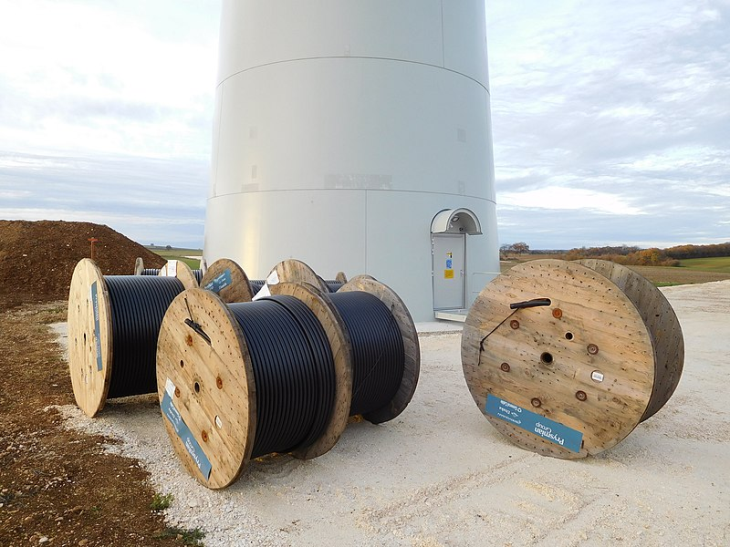
Figure 5: Electric cable drums. Source: Cjp24/CC BY-SA 4.0 DEED
Features
Stranders, bunchers, and cablers are specialized machines used in cable manufacturing, each with distinct features tailored to their specific functions. Here's an overview of some key features for these machines:
Wire Alignment and Feeding Systems
Precision mechanisms to align and feed wires into the stranding assembly help ensure quality is maintained.
Rotating Elements
These can be drums, cages, or planetary gears, depending on the type of machine. These elements are used for twisting wires together in different fashions.
Lay Length Adjustment
The capability to adjust the twist length of the strand is an essential feature for different cable specifications.
Speed Control
Systems to control the rotation speed for consistent and precise stranding allow for greater variability than in fixed-speed machines.
Bobbin Loading and Unloading Systems
Automated or semi-automated systems for easy handling of wire bobbins can be a crucial feature. These systems increase the throughput of these machines and increase safety for workers.
Safety Features
These high-speed machines benefit greatly from safety features. Guards, cages, and emergency stops help to ensure safe operation.
Each type of machine is equipped with features that optimize its performance for specific tasks in the cable manufacturing process. Stranders focus on twisting individual wires into strands, bunchers on twisting smaller wires into flexible conductors, and cablers on assembling these strands into finished cables, often with additional protective or insulating layers. The choice of machine and its features depends on the specific cable production requirements, including cable type, size, and desired physical and electrical properties.
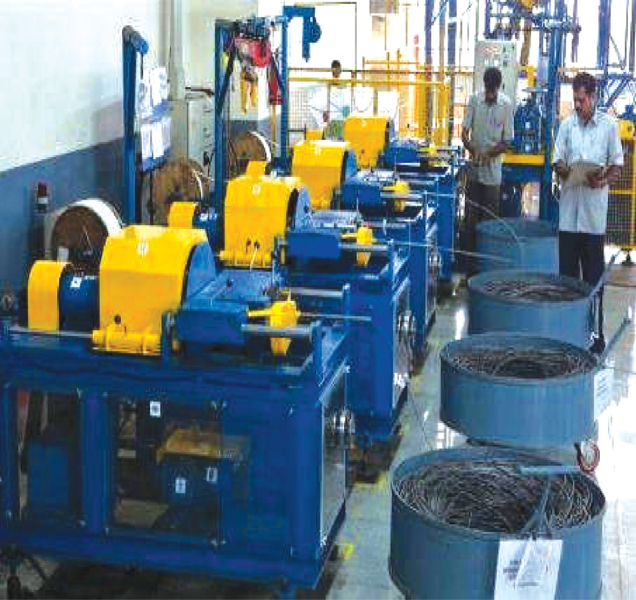
Figure 6: Smart chem cable, wire production line. Source: Smart chem cable industries ltd/CC BY-SA 4.0 DEED
Manufacture
The manufacturing of stranders, bunchers, and cablers involves a complex process that combines mechanical engineering, precision machining, and electrical design. Here are the most important steps to manufacturing these machines:
- Design and engineering
- Material selection
- Machining and assembly
- Electrical and control systems
- Testing and quality control
The process begins with the conceptual design based on market needs, specific customer requirements, and technological advancements. Detailed engineering drawings and specifications are created. This includes the mechanical design of the machine, electrical systems for control and operation, and software for automation and monitoring.
High-quality materials are selected for different components. This includes steel for structural parts, specialized alloys for moving parts to resist wear, and insulating materials for electrical components. Precision machining of components such as frames, drums, gears, and bobbins is then performed. CNC machines are often used in this stage for high precision and consistency.
Smaller components are assembled into sub-units in preparation for a larger assembly operation. For example, the gear system in a planetary strander or the rotating bow in a double twist buncher will be assembled as part of a separate assembly operation. The sub-assemblies are then put together to form the main structure of the machine. This involves aligning and fitting together large parts with precision.
Electrical components like motors, sensors, and control panels are then installed and wired. The machine is equipped with software for operation control, monitoring, and diagnostics. This software is integrated and tested to ensure it works seamlessly with the hardware.
The completed machine then undergoes rigorous testing to ensure all components function correctly and meet the designed specifications. Each machine is checked for quality, including the accuracy of movements, the precision of control systems, and safety features.
Larger machines are often partially disassembled for shipping. After shipping, the machine is reassembled at the customer’s site, followed by commissioning, which includes final adjustments, calibration, and training for operators.
The manufacturing of stranders, bunchers, and cablers requires a high level of expertise in mechanical and electrical engineering, precision manufacturing, and a deep understanding of the cable manufacturing process. The end goal is to produce reliable, efficient, and long-lasting machines that meet the specific needs of cable manufacturers.
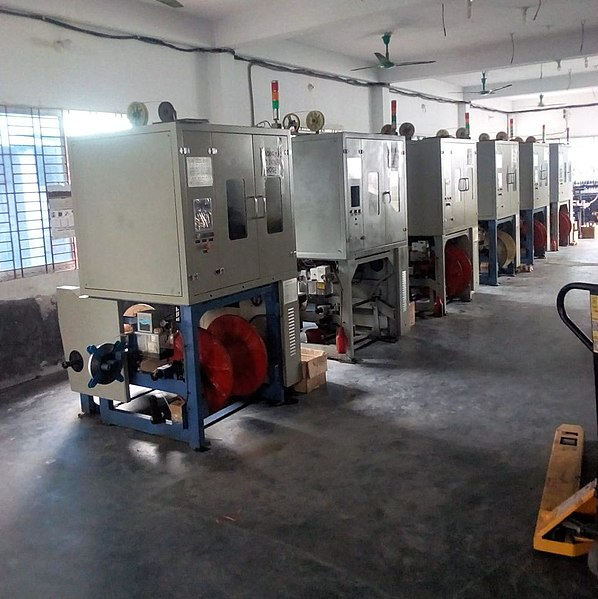
Figure 7: Stranders, bunchers, and cablers are essential machines in the production of various types of cables and wires. Source: Smart chem cable industries ltd/CC BY-SA 4.0 DEED
Applications
Stranders, bunchers, and cablers are essential machines in the production of various types of cables and wires. Each type of machine has specific applications based on its capabilities:
Electrical Cables
These machines are widely used for creating conductors in electrical cables, including power cables, automotive cables, and cables for consumer electronics.
Communication Cables
They are also essential in the production of coaxial cables, fiber-optic cable cores, and other communication cables. Stranders are used for creating twisted pairs for data transmission cables, such as those in networking cables (e.g., CAT5, CAT6).
Reinforced Cables
Manufacturing of reinforced cables used in applications like bridges, elevators, and heavy machinery requires the use of stranders and cablers.
Rope Making
Used in the production of ropes and cordage, including those made from metal, nylon, or other materials, these machines are essential for efficient production.
Specialty Wires
Creating specialty wires such as medical grade wires, musical instrument strings, and other precision applications often requires the use of stranders, bunchers, and cablers.
Power Transmission Cables
Cablers enable the assembly of multi-layered cables for power transmission, including high-voltage and underground cables.
Marine and Underwater Cables
These machines are employed in creating robust cables used in marine and underwater environments, including subsea communication cables.
Armored Cables
Building armored cables used in applications requiring additional protection, such as in military or harsh environmental conditions requires specialized machinery.
Each of these machines contributes to the versatility and functionality of modern cable and wire manufacturing, allowing for a wide range of products to suit various industrial, commercial, and consumer applications. Their use ensures that cables are produced to the highest standards of quality, safety, and performance, meeting the diverse needs of today's technology-driven world.
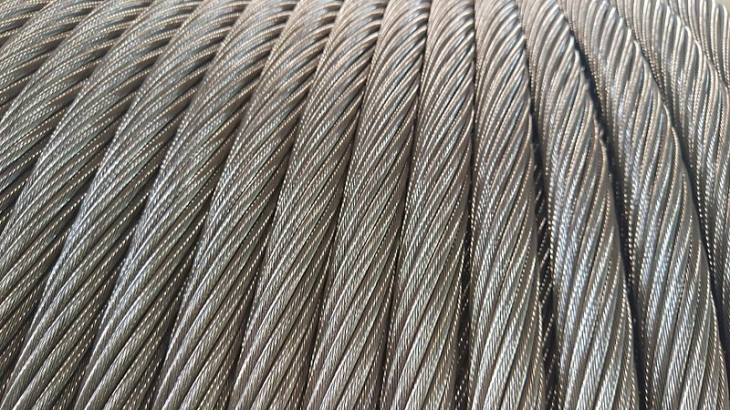
Figure 8: Railway connection line. Source: Spring9910/CC BY-SA 4.0 DEED
Standards
In the manufacturing and operation of stranders, bunchers, and cablers, adherence to specific international and regional standards is crucial to ensure safety, efficiency, and quality. These standards fall into several categories, including safety, performance, and industry-specific guidelines.
Safety Standards
The International Organization for Standardization sets global standards for machinery safety, such as ISO 12100 for general safety requirements and risk assessment. When working with these large, powerful machines, safety must be paramount. Essential in Europe, CE marking on machinery signifies compliance with the European Union's health, safety, and environmental protection standards.
In the U.S., the Occupational Safety and Health Administration provides guidelines for safe machinery operation, relevant to manufacturing facilities. The International Electrotechnical Commission specifies safety standards for electrical equipment, like IEC 60204-1 for electrical equipment of machines. Proper adherence to these standards is a must.
Performance Standards
The American National Standards Institute sets standards for the performance of industrial equipment, including cable manufacturing machinery. The American Society for Testing and Materials provides detailed technical standards for a range of products and services, impacting machinery design and function. These standards also often apply to the wire and cable being produced by these machines.
Industry-Specific Standards
These standards specifically focus on the manufacturing efficiency and quality of cable production equipment. Industry-specific standards help to ensure comparability amongst manufacturers and also ensure minimum thresholds for performance.
By adhering to these specific standards, manufacturers of stranders, bunchers, and cablers ensure that their equipment is safe, efficient, and capable of producing high-quality products. This compliance is not only critical for legal and regulatory reasons but also plays a significant role in building customer trust and maintaining a reputation for quality in the global market.