Tube Clamp Connectors Information
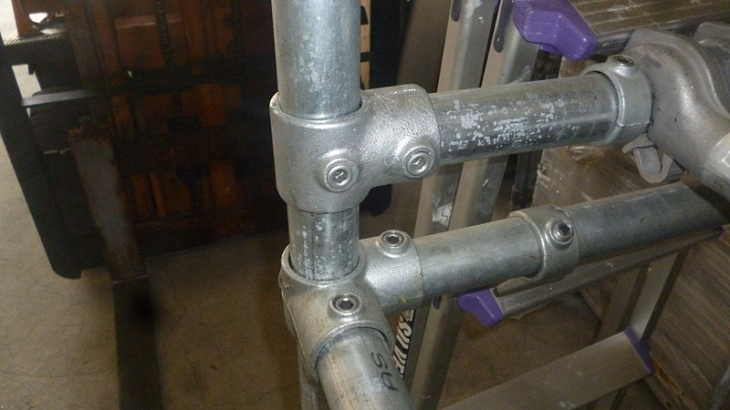
Figure 1: Simple tube clamp fitting. Source: Anthonyc1609/CC BY-SA 3.0
For building structures from square and round tubing, tubing clamp connectors are essential. Tube clamp connectors provide a mechanical locking force for assembling tubes together in a friction-locked manner. The flexibility and speed of using tube clamps for projects lend their use to many different applications.
With no welding, threading, and minimal bolting required when assembling with most types of tube clamp connectors, installation is simple and fast. Tightening the tube clamp connector usually requires just an Allen wrench. The easy installation of these connectors removes the need for highly qualified individuals to build assemblies and allows for fast changes at a later point in time.
Theory of Operation
Tube clamp connectors are also known as tube couplings or tube fittings. These devices mechanically join two or more sections of tubing together. Tube clamp connectors are designed to be quick to install and incredibly secure.
Tube clamp connectors naturally require tubes to be assembled together. These tubes are often metal but can also be made from rigid plastic depending on the application. The size of the tubing being used will determine the size of the second component, the tube clamp connector, that is required. The tube clamp connector typically consists of a clamping screw or set screw, a nut, and a tube clamp body.
Tube clamps are typically mounted to tubes through the use of friction to keep them in place. This friction is commonly applied in one of two ways.
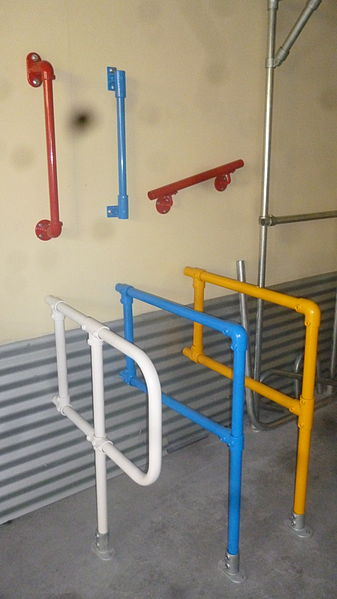
Figure 2: Tubeclamp. Source: Anthonyc1609/CC BY-SA 3.0
Set Screw
In the center of the tube clamp, a set screw can be used to apply pressure to the tube itself. Set screw type clamps are easy to install, requiring just one tightening operation per tube being assembled. Set screw type tube clamps are incredibly strong, but may not be as strong as other types due to the decreased surface area in contact with the tube clamp.
Clamping Screw
Instead of using a set screw, clamping type tube clamps have a fastener that is offset from the tube itself. The tube clamp can be in one part or two parts. One part tube clamp connectors are slid on from the end of the tube and use one fastener to tighten the clamp around the tube.
Two-part tube clamp connectors have a tube clamp body consisting of two parts. The tube clamp is easily applied to the tube at any point and uses two fasteners, one on each side, to tighten the clamp to the tube. These tube clamps are great for adding tubing to an existing structure or application or for easy removal later.
Specifications
Tube clamps are made by many manufacturers so it is important to understand which specifications are important. Some of the most common specifications are listed below.
Tube Size
Tube clamps are designed to work with particular tube sizes. It is important that a proper tube clamp and tubing combination is selected to ensure that the clamps work properly. Tube clamps are often sorted by the size of tubing they are designed to work with.
Clamp Type
Many different types of tube clamp connectors exist to combine multiple tubes in multiple orientations. Understand how many tubes the clamp is designed to connect and ensure the orientation is the desired one for the application.
Clamp Material and Finish
Tube clamp connectors can be made from a variety of different materials and finishes. Aluminum and stainless steel connectors are very common but rigid plastic clamp connectors are also readily available. Metal tube clamp connectors can have a raw finish, zinc coatings, or powder coatings as finishes. Ensure that the material and finish for the tube clamp connector match the application requirements.
Fastener Type
The fasteners used for the clamping screw or set screw can have a variety of different driver types. Check whether the tube clamp connector uses Allen key, Phillips, or hex head fasteners. Matching the fastener type to that of existing tube clamp connectors ensures future maintenance is easier.
Application Rating
Some tube clamp connectors are better suited for outdoor use or higher loads than others. To avoid an unsafe condition, make sure that the tube clamp connector selected is rated for the intended application.
Types
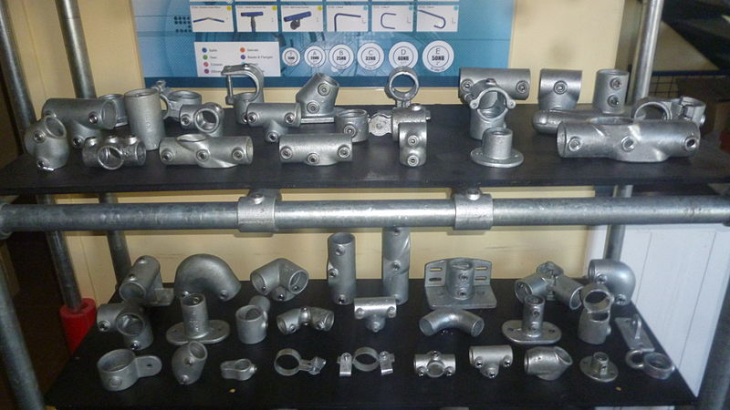
Figure 3: Tubeclamp fitting list. Source: Anthonyc1609/CC BY-SA 3.0
Tube clamp connectors come in a variety of different types and configurations allowing for many different applications. Common tube clamp connector types include:
Base Plate Connector
Used to secure the tubing to the ground or wall, these fittings typically have a square plate that the tubing slides into. Once the connector is clamped to the tube, the base plate can be anchored down.
T-Angle Connector
To connect two lengths of tubing together at a 90° angle, similar to the letter “T,” a T-angle connector is used.
Angle Connector
These fittings typically fit three lengths of tubing together in a configuration similar to the corner of a box.
Coupling
Two lengths of tubing can be joined together with the use of a coupling or connecting sleeve.
Swivel Clamp
Not all tube clamp connectors are static. Swivel clamp connectors allow for the rotation of the tubes it connects. It has a swivel joint that allows for 360° rotation of the tubes or pipes.
Specialized Connectors
Many different specialized connectors are available to do anything from mount monitors to tubing or to hold sensors in place. For almost any desired application, there are tube clamp connectors to make it work.
Features
Tube clamp connectors are incredibly versatile. Some of the most important characteristics of tube clamp connectors are their ease of installation, adjustability, and strong grip. With simple hand tools, tube clamp connectors can be quickly installed and tightened.
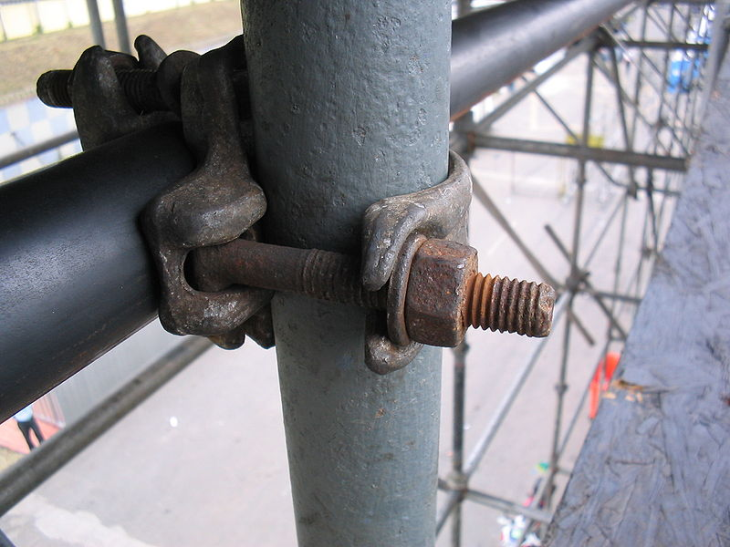
Figure 4: Tube clamp connectors provide a strong grip. Autódromo José Carlos Pace, Interlagos, Brasil/CC BY-SA 2.5
Their adjustability and wide range of available options allow for the creation of custom configurations. Unique and complex tubing arrangements can be accomplished quite easily. Additionally, tube clamp connectors provide a strong grip, ensuring that pipes and tubes remain securely connected, even in applications where the connectors are subject to loads. They are also resistant to vibration and shock increasing their resilience and low maintenance requirements. With their reliable performance and ease of use, tube clamp connectors are a popular choice for a wide range of industrial and commercial applications.
Manufacture
To create the unique and sometimes complex geometries of tube clamp connectors, the components are typically cast into molds. The molds will force the molten metal or plastic into the rough shape of the finished tube clamp. Molds also allow for many connectors to be made in a single operation to reduce cost.
After the casting process, tube clamp connectors must typically be machined to ensure that the diameter of the tube clamp is within the required tolerance. Once within tolerance, the tube clamp connector will usually be finished either with a powder coat, a zinc plating, or another finishing technique.
The final step in the manufacturing process is to install the set screw or clamping screw. While set screw installation is straightforward, when clamping screws are used a nut must also be installed so that the clamping screw can be tightened, Most tube clamp connectors with clamping screws use the geometry of the connector to keep the nut from spinning while being tightened, removing the need for a backer wrench.
Applications
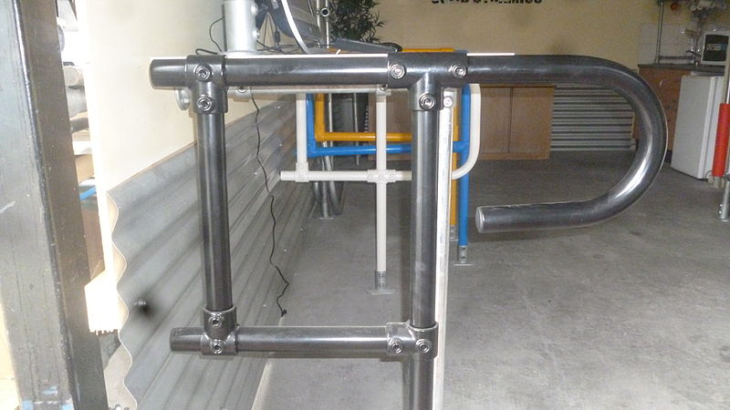
Figure 5: Simple tube clamp 2. Source: Anthonyc1609/CC BY-SA 3.0
Because tube clamp connectors allow for so many different configurations, they are used in a variety of different configurations. Some of the most popular applications for tube clamp connectors include:
- Construction projects
- Exhibition and display systems
- Shelving
- Sensor mounting
- Plexiglass supports
- Prototypes or mockups
Tube clamp connectors are often used in building structures such as scaffolding, handrails, and guardrails. They are also used in the construction of exhibition and display systems such as trade show booths, signage, and lighting structures. Tube clamp connectors are ideal for applications where fast assembly with the potential to change or teardown later is desired.
Standards
Tube clamp connectors are not subject to many regulatory standards. The key standards to pay attention to are the material standards used in the tube clamp connector’s base materials. Different grades of material are available with varying characteristics.