
Skiving and Peeling Machinery Information
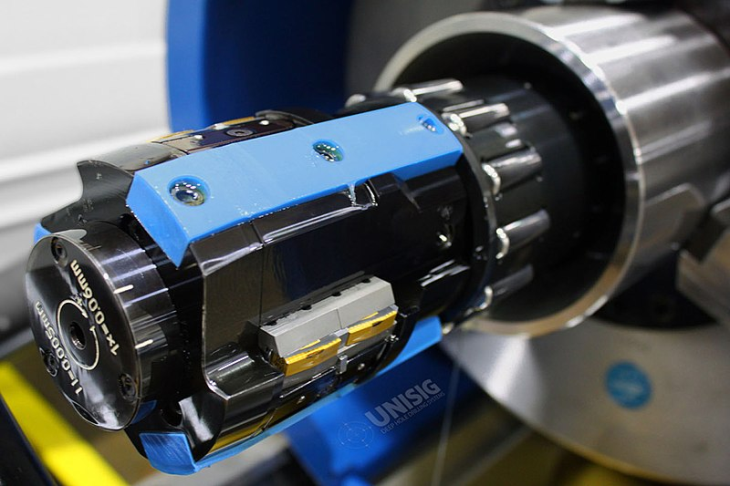
Figure 1: Skiving and roller burnishing tool installed in a skiving machine. Source: CaptainAmerca/CC BY-SA 3.0
Skiving and peeling are both operations that require precision to remove thin, consistent amounts of material from workpieces. Skiving and peeling machinery are used in a wide range of industries including metalworking and leather production. These machines must perform this hard work repeatedly and reliably while maintaining high precision in the dimensions of the finished materials.
Theory of Operation
Skiving and peeling are two different processes that are used in manufacturing. Both processes focus on the precise removal of material from a workpiece. Here's an overview of how these processes work.
Skiving
Skiving is a process used to remove a thin layer of material from a workpiece. It's often used in the leather industry on thin pieces of leather but is also used on metals and other materials. In this process, the workpiece is fed into the machine, which uses a sharp blade to shave off a layer of material. The depth of the cut can be adjusted depending on the desired thickness. The removed material is usually in the form of a continuous strip.
Skiving can be more efficient than honing hydraulic pipes to the correct internal diameter. Power skiving is similar to gear hobbing and is an efficient method for cutting internal gears on a turning center.
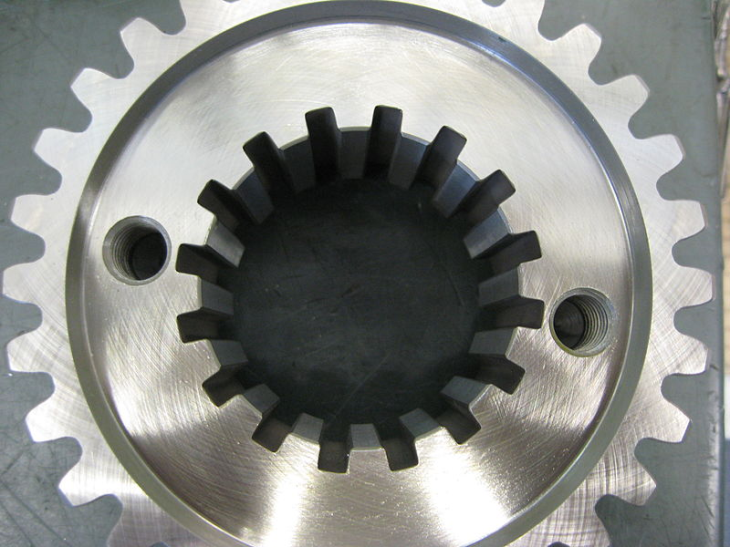
Figure 2: Gear wheel with internal spline profile. Source: Hugo4/CC BY-SA 3.0
Peeling
Peeling, in a manufacturing context, is often used to remove surface imperfections from metals, such as after hot or cold rolling. A peeling machine typically involves a rotating workpiece and a stationary cutting tool but this arrangement can be inverted. In bar peeling, for example, large steel bar stock is fed into a bar peeler containing rapidly rotating cutting tools that peel the surface of the bar stock.
In other peeling machinery, the workpiece is gripped and rotated while the cutting tool is positioned to shave off a layer of the material, revealing a smoother, more precise surface underneath. This process can be used to bring a workpiece to a very precise diameter or roundness or simply to remove the outer layer of a workpiece.
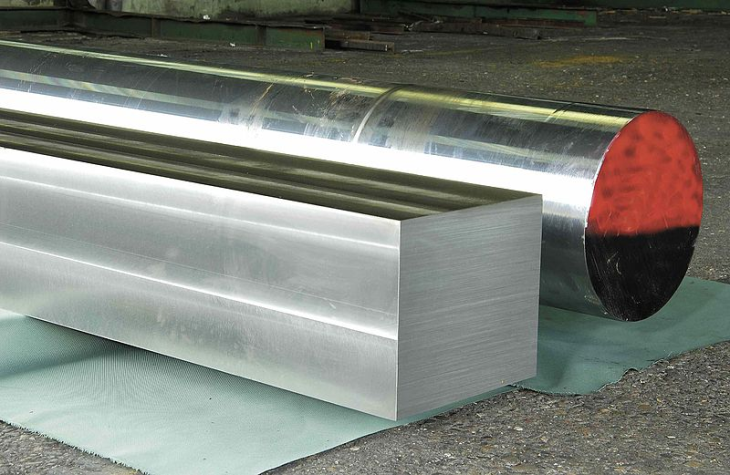
Figure 3: Bar and square steel. Source: Supersonic0714/CC BY-SA 3.0
The specific operation of the machinery can vary depending on the manufacturer and the specific application of the machine. For example, the machine may have different settings for different materials or different thicknesses. The blades or cutting tools used can also vary depending on the application. For both skiving and peeling machinery, the key concept is to generate a relative velocity between the cutting tool and the workpiece sufficient enough to generate a chip of material.
Specifications
The specifications for skiving and peeling machinery can vary greatly depending on the specific machine and the application for which it is intended. Some of the general specifications for these types of machinery include:
Capacity
This refers to the maximum size or thickness of the material that can be processed by the machine. This can often be adjusted to accommodate different materials and requirements. Higher material removal rates require larger, more powerful machinery and must be adjusted carefully to prevent overworking the surface of the workpiece.
Speed
This refers to the speed at which the material can be processed. It's often measured in feet or meters per minute. Both skiving and peeling machinery typically process material in a linear manner.
Motor Power
The power of the machine's motor, often given in horsepower or kilowatts, can determine the machine's capacity and speed. Higher power motors are critical for generating the power necessary to remove more material faster.
Blade Type/Size
The type and size of the blade used in the machine can affect the quality and precision of the skiving. Some tools also are adjustable or able to change out quickly, making the machinery more versatile.
Accuracy
The precision with which the machine can skive or peel the material. This might be measured in terms of the thickness tolerance of the material or dimensional variation of the material after processing.
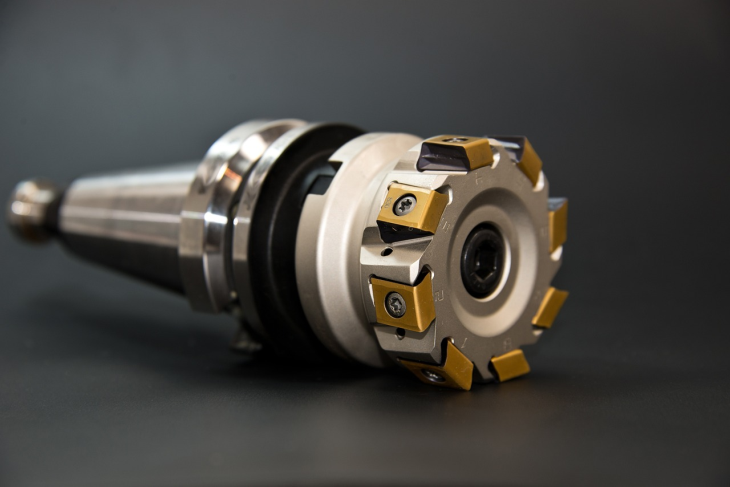
Figure 4: Milling machine drill. Source: Pixabay
Types
There are various types of skiving and peeling machines designed for different industries and specific applications. Here's an overview of some of them:
Skiving Machines
There are three main types of skiving machines:
- Leather skiving machines
- Gear power skiving machines
- Tube skiving machines
Used heavily in the production of leather goods like bags, shoes, and belts, leather skiving machines thin the edges of leather pieces. These clean, consistent edges are critical for producing fine leather goods.
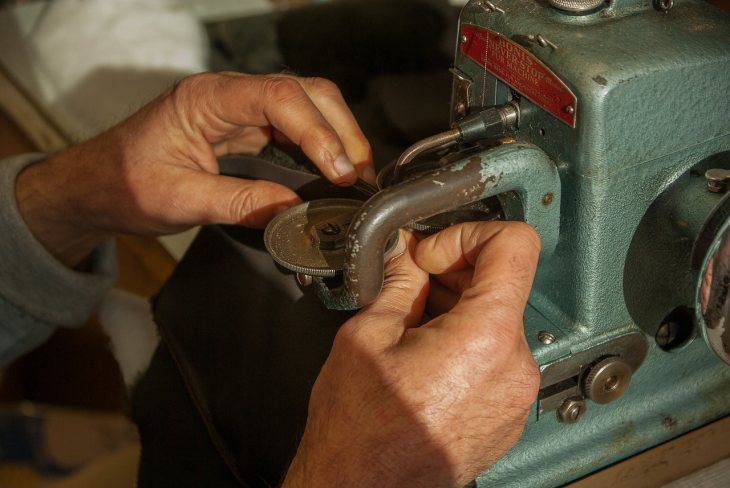
Figure 5: Clean, consistent edges are critical for producing fine leather goods. Source: Pixabay
In the mechanical industry, gear skiving machines are used to produce high-accuracy gears with high efficiency. Gear skiving is especially popular for machining internal gearing. The machines use a process called rotational skiving, which is an alternative to gear shaping and hobbing.
Tubes can also require skiving before being put into use or for preparation for further processing. These machines are used to prepare tubes for welding or to remove an outer layer of material. They're often used in industries such as aerospace and automotive. Hydraulic tubes also often go through a skiving-roller burnishing process to keep internal diameters within tight tolerances and generate a mirror finish at the same time.
Peeling Machines
Peeling machinery comes in four different main varieties and process everything from small wire to 600 mm diameter steel bar stock. The main types of peeling machinery include:
- Bar peeling machines
- Wire peeling machines
- Vegetable and fruit peeling machines
- Spindle peeling machines
Large steel bars must be run through a bar peeler to hone final dimensions and correct any defects picked up during the manufacturing of the bar. Peeling machines are used to remove imperfections from the surface of metal bars or rods, such as scale, cracks, or pits. The peeling process results in a smooth, precise diameter and improved surface finish.
Insulated wire often needs to have the insulation stripped or peeled off of the copper core for scrap purposes. Peeling machines remove this outer layer from the wires efficiently.

Figure 6: Insulated wire often needs to have the insulation stripped or peeled off of the copper core for scrap purpose. Source: Pixabay
Vegetable and fruit peeling machines are used in the food industry to remove the skin from fruits and vegetables. They work by abrasion or by using blades, depending on the type of fruit or vegetable and the desired result. These machines enable peeled fruit and vegetables to be produced on large scales economically.
The lumber industry also has a need for peeling machines. These machines are used in the wood industry to peel logs into veneers. The log is rotated against a knife, which peels off a continuous layer of wood.
Features
Depending on the target application, features of skiving and peeling machines can vary. Here are common features:
Adjustable Depth
Both skiving and peeling machines need adjustability on the depth of material removal. This feature enables the machine to handle a range of material thicknesses and to produce different results based on the needs of the project. The ability to adjust the amount of material removed can provide flexibility and control over the final result.
Speed Control
This allows the operator to adjust the speed of the machine, which can affect the quality and precision of the skiving or peeling. Speed also has a direct impact on the power required by the motor and the energy input to the workpiece. Careful setting of the speed control and cutting depth keep the manufacturing operations efficient with a high-quality end result.
Automatic Operation
Some machines include features that automatically feed the material into the machine, which can improve efficiency, consistency, and throughput. Automating the loading and unloading of the workpiece can improve safety and reduce labor requirements.
Blade Sharpening System
Blades and cutting tools dull over time. An integrated system for sharpening the blade can help to maintain the machine's performance and extend the life of the blade. Blade sharpening systems also help maintain consistent quality for the workpieces.
Cooling System
For heavy-duty applications, a cooling system may be included to prevent overheating and to maintain the quality of the cut. Large bar peeling systems may even include cutting tool cooling systems to prolong cutting tool life.
Surface Quality Control
Some machines include features to monitor and control the quality of the surface finish, such as sensors or software.
Chip Removal System
Peeling and skiving can produce a significant amount of waste material. Built-in systems for removing waste material can help to keep the machine clean and operating smoothly.
Manufacture
The manufacturing process of skiving and peeling machines involves several steps, including design, fabrication, assembly, and testing. Here's a general overview of these steps:
Design
The first step in manufacturing any machinery is the design phase. This involves determining the specifications for the machine, such as its capacity, speed, power requirements, and other features. Engineers use computer-aided design (CAD) software to create detailed plans for the machine. The machines must be powerful enough to process the desired workpieces and the frame and structure of the machine must be able to withstand these forces.
Fabrication
Once the design is finalized, the individual parts of the machine are fabricated. This might involve processes like casting, forging, machining, or 3D printing, depending on the specific part and the materials used. For example, the frame of the machine might be welded together from steel, while the blades or cutting tools might be machined from tool steel or carbide.
Assembly
After the parts are fabricated, they are assembled to form the complete machine. This might involve bolting or welding parts together, installing electrical components, attaching blades or cutting tools.
Testing
Once the machine is assembled, it is thoroughly tested to ensure that it operates correctly and safely. This might involve running the machine with various types of material, testing its safety features, or measuring its performance against its specified parameters.
Quality Assurance
All machines undergo a final inspection to ensure they meet the required specifications and quality standards. Any necessary adjustments or corrections are made before the machines are approved for sale.
Applications
Skiving and peeling machines are used in a variety of industries for different applications. Here are some examples:
Skiving Machines
Four common applications for skiving machines include the leather industry, gear manufacturing, heat exchanger production, and large tube manufacturing.
In the leather industry, skiving machines are widely used to thin the edges or the entire surface of a piece of leather. This is particularly useful for leather goods such as shoes, belts, wallets, and bags where it's crucial to reduce the thickness of the leather for stitching or for aesthetic purposes.
While gear hobbing is often used as the primary method for manufacturing gears, skiving machines are also used in gear manufacturing. Skiving machines are used for the production of high-precision gears, especially internal gears. Gear skiving is an efficient process used to produce gears with high accuracy and quality.
In industries that use heat exchangers, such as automotive or HVAC, tube skiving machines are used to prepare the ends of tubes for welding. Skiving machines are also used for producing heat sinks.

Figure 7: Skiving machines are also used for producing heat sinks. Source: Pixabay
Large tubes used in hydraulic and other precision applications may benefit from skiving as well. Skiving is often combined with roller burnishing in these applications for producing large tubes with tight interior diameter tolerances and a mirror finish.
Peeling Machines
Peeling machines find their way into many different applications including in the metalworking industry, wire scrapping, food industry, and the lumber industry.
Powerful peeling machines are used in the metal industry to remove surface imperfections from metal bars or rods, such as scale, cracks, or pits. This results in a smooth, precise diameter and improved surface finish. Large bar peelers can process steel bar stock in diameters of 600 mm or more.
To efficiently prepare wire to be scrapped, the insulation layer must first be removed. Peeling machines are able to quickly and efficiently remove the outer layer from wires and prep the material for scrapping.
Peeling machines are used in the food industry for peeling fruits and vegetables. Depending on the specific machine, it can handle a variety of produce and perform peeling at high speeds, which is beneficial for large-scale food processing operations.
To create thin wood veneers, peeling machines are used widely in the lumber industry. This veneer can then be used for making plywood or other wood products.
Standards
Skiving and peeling machines are used in many different applications for very different purposes. Some standards that apply to these machines in some cases include:
- AGMA 13FTM01 — "Power Skiving of Cylindrical Gears on Different Machine Platforms"
- UL 508A — Industrial Control Panels
- OSHA
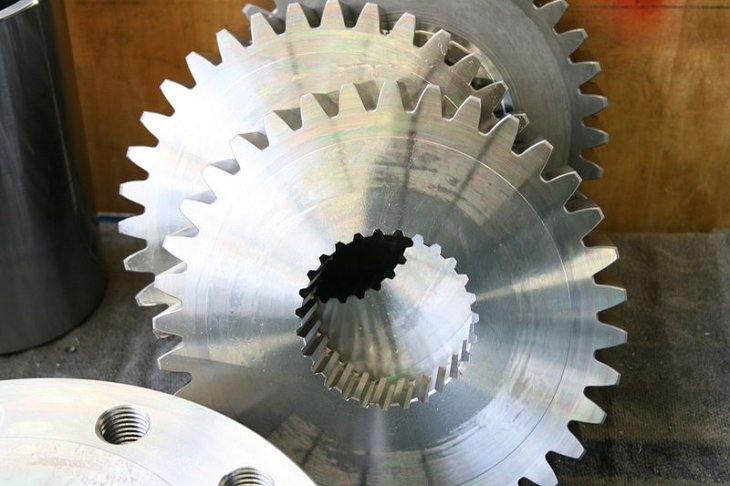
Figure 8: A spur gear with internal teeth. Source: Dirk Gräfe/CC BY-SA 2.5
In addition to standards for internal gears, many other standards that apply to skiving and peeling machinery focus on safety. Peeling and skiving machinery can be very powerful with large amounts of energy involved. Safety must be paramount to keep operators safe. In addition to safety, some standards may apply to desired surface finishes or final tolerances depending on the type of product being processed.


