Thermal Actuators Information
Thermal actuators are components that produce linear movements through the expansion and contraction of thermally responsive materials. These devices seamlessly integrate temperature sensing and mechanical actuation, making them indispensable in applications requiring precise temperature control and fluid management, such as in heating systems and various valve mechanisms. They are particularly valued for their reliability in ensuring consistent temperature regulation and safety in appliances and industrial equipment.
Thermostatic actuators are a specialized type of thermal actuators designed for precise temperature control in systems like HVAC and automotive cooling. These devices respond to temperature changes by expanding or contracting, directly regulating heat or coolant flow. As a subset of thermal actuators, thermostatic actuators highlight the versatility and importance of temperature-responsive devices in maintaining optimal environmental conditions and system efficiency.
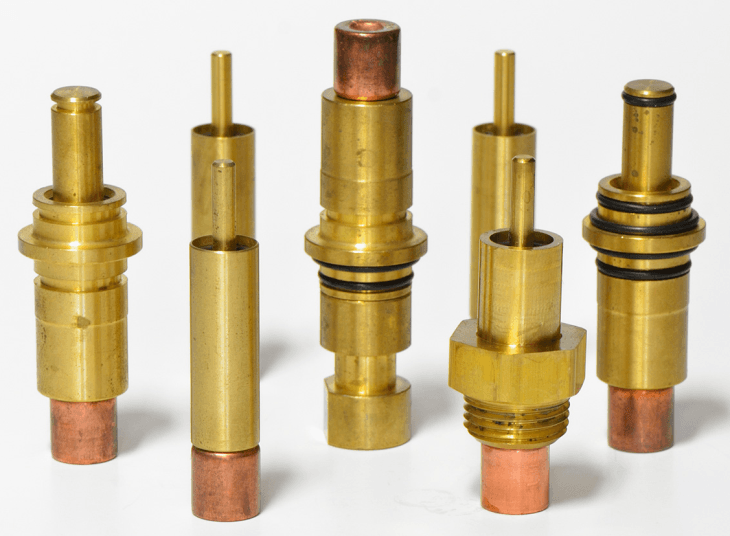
Figure 1: Thermal actuators. Source: Keystone
Types
Thermal actuators come in various forms, each with unique characteristics suited for specific applications.
Bimetallic Actuators
These devices capitalize on the differential thermal expansion rates of two bonded metals. As temperature changes, the differential expansion causes the actuator to bend or move. This movement is predictable and reliable, making bimetallic actuators ideal for simple control mechanisms in consumer appliances and industrial equipment. The simplicity of their design translates to cost-effectiveness and durability, though it may limit their application in scenarios requiring precise control or large movements.
Thermal Expansion Demo: Bimetallic Strip
Video: Bimetallic Strip Thermal Expansion Demo. Source: Physics Demos
Shape Memory Alloys (SMAs)
SMAs exhibit a unique property where they can be deformed at one temperature but return to their original, undeformed shape when heated above a certain threshold. This remarkable characteristic allows for the creation of actuators that can perform complex movements with high precision. The use of SMAs in actuators is particularly advantageous in fields requiring precise, repeatable movements, such as in medical devices and aerospace applications. The main limitations of SMAs include their cost and the complexity of integrating them into systems.
Wax Motor Actuators
These actuators operate using a sealed capsule filled with a wax compound that expands significantly when heated. The expansion of the wax exerts pressure on a piston or diaphragm, creating movement. Wax motors are valued for their simplicity and reliability, especially in applications requiring slow and smooth actuation, such as in valve controls and household appliances. Their main drawbacks include limited speed and force, making them less suitable for applications requiring rapid or powerful movements.
WAX MOTORS ~ A Full Understanding Of Operation & Construction
Video: How Wax Motor Actuators Work. Source: electronicsNmore
Liquid Expansion Actuators
Operating on the principle of liquid expansion, these actuators use a fluid that expands when heated. The expansion of the fluid within a sealed chamber generates pressure, driving a piston or other mechanism to create movement. Liquid expansion actuators are capable of generating significant force, making them suitable for applications requiring strong actuation, such as in industrial valve controls and safety mechanisms. The risk of fluid leakage and the need for regular maintenance to prevent it are notable considerations.
Electrothermal Actuators
These actuators utilize resistive heating elements to induce thermal expansion in a material, which in turn produces movement. The precise control over the heating element allows for accurate and fast actuation, making electrothermal actuators suitable for applications where rapid and precise control is necessary. Their reliance on electrical power and the need to manage heat dissipation are important factors to consider in their application.
Pneumatic Thermal Actuators
These actuators use air or gas heated or cooled in response to temperature changes, driving a piston or diaphragm to create movement. Pneumatic thermal actuators are valued for their robust performance in harsh environments and their ability to provide significant force at high speeds, making them suitable for industrial applications where reliability and rapid response are critical. However, they require a source of compressed air or gas, which may not be available in all settings, and can be sensitive to fluctuations in supply pressure
Materials
Thermal actuators rely on materials with distinct thermal expansion properties to function.
Bimetallic Strips
Comprising two metals with different thermal expansion coefficients, bimetallic strips bend with temperature changes, providing a simple, reliable actuation mechanism. Their straightforward design and durability make them ideal for thermostats and over-temperature protection devices, though their actuation range and precision may be limited.
Shape Memory Alloys (SMAs)
SMAs, like Nitinol, can return to a pre-defined shape when heated, offering precise control for advanced applications such as medical devices and aerospace components. While offering high precision and repeatability, SMAs can be costly and complex to work with.
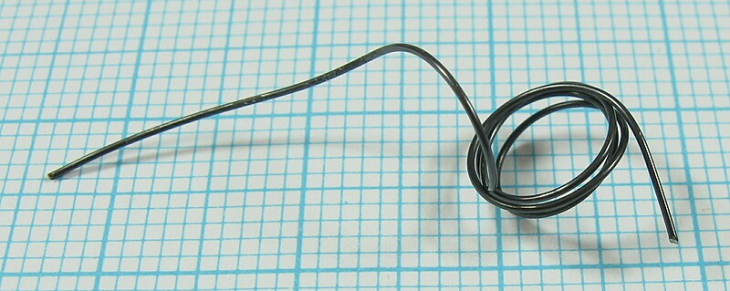
Figure 2: Nitinol wire. Source: Petermaerki/CC BY-SA 3.0 DEED
Wax
Used in wax motor actuators, wax expands significantly when heated, driving mechanical movement. Wax actuators are valued for their reliability and simplicity in appliances and safety valves, but they offer slow response times and limited actuation speeds.
Liquids
In liquid expansion actuators, the significant expansion of a contained liquid with temperature changes generates forceful actuation, suitable for HVAC and valve control. The main challenge is managing potential leakage, requiring regular maintenance.
Components
Thermal actuators consist of several key components, each playing a crucial role in their function:
Actuation Element
This is the main component of the thermal actuator, utilizing materials that respond predictably to temperature changes. Bimetallic strips bend due to differential expansion of metals, while shape memory alloys can change shape or revert to a pre-set form when heated. Wax expands significantly when heated, driving a piston or similar mechanism, and liquids in liquid expansion actuators increase in volume, all contributing to the movement or actuation force.
Housing
The housing is crucial for the durability and reliability of the actuator. It not only protects the internal components from environmental damage but also ensures that the actuator can withstand the physical stresses encountered during operation. The design of the housing can also influence the thermal response of the actuator by affecting heat dissipation.
Return Mechanism
This component is essential for actuators that need to return to a baseline state after actuation. Springs are common, but other mechanisms may be used depending on the application requirements. This ensures the actuator can cycle between states effectively, allowing for repeated use over time.
Temperature Sensor
Not present in all thermal actuators, but when included, it allows for more precise control over the actuation process. By directly monitoring temperature, the actuator can respond more dynamically to environmental changes, leading to more accurate and efficient operation.
Industrial Applications
Thermal actuators play an important role across various industries due to their reliability and precision in temperature-sensitive operations.
HVAC Systems
In the heating, ventilation, and air conditioning (HVAC) industry, thermal actuators are used for regulating temperatures within buildings. They ensure the efficient operation of heating systems, such as radiators and underfloor heating, by controlling the flow of hot water or steam.
Appliance Safety
Household appliances like dishwashers and washing machines utilize thermal actuators for safety mechanisms, such as door locks and dispenser controls, to prevent operation under unsafe conditions.
Automotive
In the automotive sector, thermal actuators contribute to the performance and efficiency of vehicles by controlling thermal management systems, including the regulation of coolant flow and air intake, enhancing engine efficiency and emission control.
Energy and Power Generation
Thermal actuators are employed in power plants and renewable energy systems to control valves and dampers, optimizing the flow of steam, gases, and other mediums, thereby ensuring efficient energy production and distribution.
History
The history of thermal actuators is marked by significant developments that span over centuries, beginning with the early use of bimetallic strips for temperature regulation in the 18th century. These early actuators utilized the principle of thermal expansion, where two metals with different coefficients of expansion were bonded together, causing the strip to bend when heated. This simple yet effective mechanism laid the groundwork for future advancements in thermal actuation technology.
By the 20th century, the discovery and development of shape memory alloys (SMAs), particularly Nitinol, introduced a new dimension to thermal actuators. These materials could "remember" their original shape when heated, allowing for more complex and precise movements. This innovation opened up new applications in various fields, including aerospace, robotics, and medicine.
The concept of wax motor actuators, which use a wax element that expands significantly with heat to produce movement, further diversified the applications of thermal actuators. This technology became particularly popular in domestic appliances and industrial safety devices due to its reliability and simplicity.
As materials science progressed, researchers developed liquid expansion actuators and electrothermal actuators, leveraging advanced materials and electronic controls to achieve greater precision and efficiency. These developments have enabled the integration of thermal actuators into sophisticated systems, enhancing their performance in a wide range of industrial and consumer applications.
Throughout their history, thermal actuators have evolved from simple mechanical components to complex systems that incorporate advanced materials and electronics, reflecting the broader trends in technology and engineering. Today, they are an integral part of modern automated systems, contributing to advancements in energy efficiency, safety, and precision control across numerous industries.
Related Information
GlobalSpec—How do thermal actuators work?