Fiber Optic Polishing Machines Information
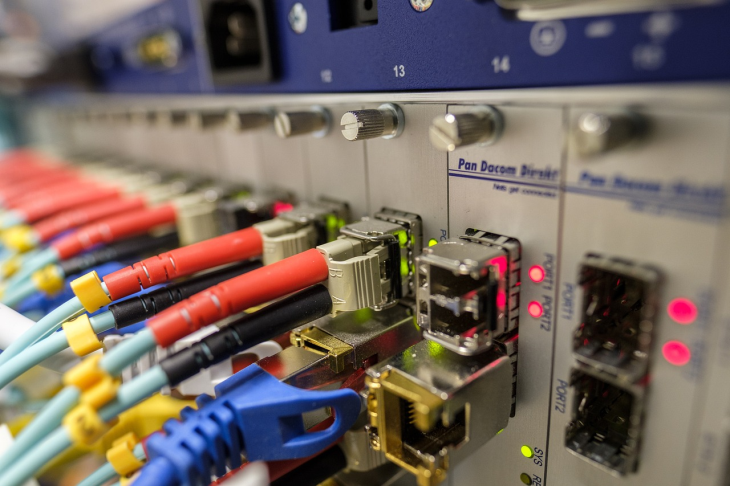
Figure 1: Fiber optics. Source: Pixabay
Fiber optics allow for incredible rates of low-loss data transmission and provide the backbone for much of the internet and modern conveniences. While fiber optics can move data quickly, clean, well-polished cuts at the end of the fiber are critical to preventing loss and noise in the data being transmitted. Fiber optic polishing machines allow these fibers to be carefully polished and cleaned so that the fiber optic cables can be used as designed.
Theory of Operation
Fiber optic polishing machines are essential pieces of equipment used in the production and maintenance of fiber optic cables. The basic operation of these machines revolves around the principle of mechanical polishing to create a smooth, clean end face on the fiber. A basic understanding of fiber optics helps to explain why polishing is so important.
Fiber Optics
Fiber optical cables consist of three main components: a core, cladding, and a protective sheath. The core of the fiber is used to transmit the light through the fiber. The cladding keeps the light reflected inside the core. The protective sheath provides protection to the core and cladding as fiber optics can easily be damaged.

Figure 2: Construction of optical fiber. Source: Robotics Universe
The light in the core reflects off the cladding and continues down the length of the core. Fiber optic cables can be quite long in length.
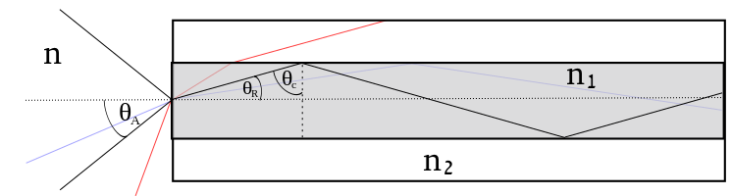
Figure 3: Fiber optic numerical aperture. Source: Deltafunction/CC BY-SA 1.0
When the light exits the cable, the face of the fiber must be clean and free of scratches to prevent distortion or degradation of the exiting light. This is where polishing comes into play.
Polishing Machines
Polishing of optical fibers requires the following key steps:
- Clamping
- Polishing
- Gradual grinding
- Inspection
- Cleaning
The first step in polishing is ensuring that the cable is in the correct position and orientation. The fiber optic cable is clamped into a fixture or holder that precisely aligns the fiber end-face with the polishing surface. The holder is then placed on the polishing machine. The machine applies pressure and moves the fiber in a controlled pattern across the polishing surface. This is usually a circular or figure-eight pattern. The movement, combined with the abrasive nature of the polishing surface (commonly a pad or disc coated with polishing compound), removes any imperfections from the fiber end-face.
Polishing often begins with a coarse grit compound to quickly remove larger surface imperfections, then gradually shifts to finer and finer grits to reduce the size of the scratches left on the surface. This process is known as lapping.
After the polishing process, the fiber end-face is inspected using a microscope or other optical inspection tool. This is to ensure the surface is smooth, clean, and free from defects that might impact the performance of the optical fiber connection. Finally, the polished fiber end-face is cleaned to remove any remaining polishing compound or debris.
Specifications
Specifications of fiber optic polishing machines can vary widely depending on the manufacturer and the specific model. However, here are some common specifications you might find:
Polishing Capacity
This refers to the number of connectors that the machine can polish at one time. Some machines can polish a single connector at a time, while others can handle multiple connectors simultaneously.
Compatible Connectors
Not all polishing machines are compatible with all types of fiber optic connectors. The machine's specifications will list which types of connectors it can handle, such as SC, LC, FC, ST, and MPO.
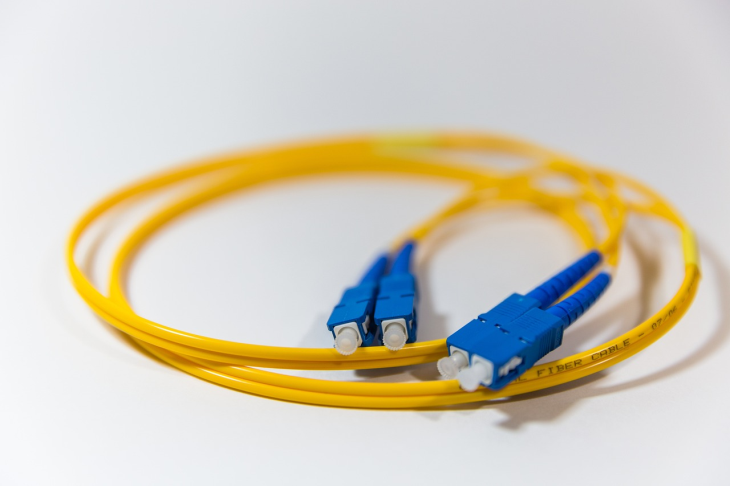
Figure 4: Networking fiber optics. Source: Pixabay
Polishing Pressure
This refers to the amount of pressure that the machine applies to the connector during the polishing process. The pressure is typically adjustable to accommodate different types of connectors and polishing processes.
Polishing Motion
The pattern of motion that the machine uses to move the connector over the polishing surface. This could be a circular motion, a figure-eight motion, or some other pattern.
Process Time
This indicates the typical time it takes for the machine to complete a polishing process. This specification can have a big impact on total throughput.
Power Requirements
The specifications will list the electrical power requirements for the machine, such as voltage and frequency.
Dimensions and Weight
The physical size and weight of the machine are important to understand. Some machines are designed for lab use while others are designed for field use.
Automation
Some machines are fully automated and can handle the entire polishing process with minimal human intervention. Others may require manual loading and unloading of connectors.
Types
There are several types of fiber optic polishing machines, and they can be broadly categorized into the following:
Manual Polishing Machines
These machines require the operator to manually control the polishing process, including adjusting the pressure, polishing time, and rotation speed. Although they offer a high degree of control, they are more labor-intensive and may not provide the same level of consistency as automated machines.
Semi-Automated Polishing Machines
These machines automate some parts of the polishing process, such as the pressure, polishing time, and rotation speed. However, they still require manual intervention for tasks like loading and unloading the fiber optic connectors.
Fully Automated Polishing Machines
These machines automate the entire polishing process. Once the operator loads the fiber optic connectors, the machine takes over and completes the polishing process without further intervention. These machines provide a high level of consistency and efficiency, but they are also more expensive.
Multifunctional Polishing Machines
These machines are capable of polishing a variety of different connector types. They usually come with a range of fixtures and settings that allow them to handle different connector styles.
Field Versus Lab Polishing Machines
Many fiber optic polishing machines are large, high-quality machines capable of polishing fibers to a high degree of precision. These machines offer consistent quality and can often process multiple connectors simultaneously. Due to the need for terminating fiber optic cables in the field, smaller more portable field polishing machines are also available. These machines allow field technicians to terminate fiber optics properly as needed.
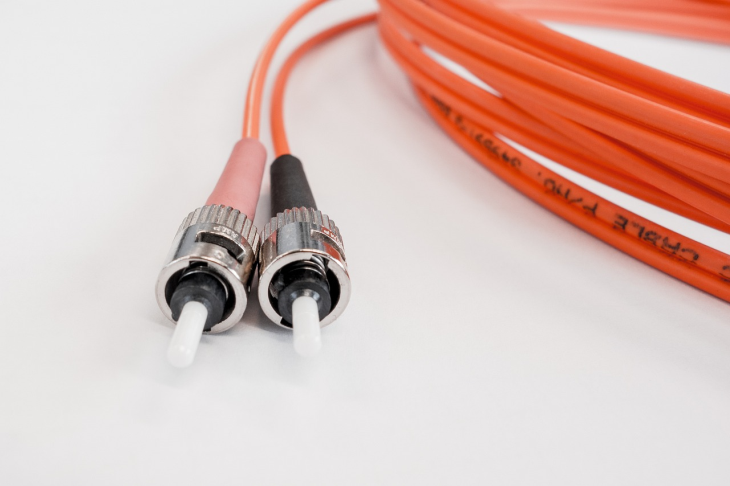
Figure 5: Fiber optic glass. Source: Pixabay
Features
Fiber optic polishing machines come with various features designed to improve the quality of the polishing process, increase efficiency, and ensure operator safety. Here are some typical features that you might find in these machines:
Adjustable Pressure
This allows the operator to precisely control the amount of pressure applied during the polishing process, which can affect the quality of the end result.
Polishing Time Control
This feature allows the operator to set the duration of the polishing process. This is important because too much polishing can damage the fiber, while too little can result in a poor-quality polish.
Polishing Motion Control
Some machines allow the operator to select different motion patterns for the polishing process, such as circular, figure-eight, or other patterns.
Multiple Connector Capacity
Many machines can polish more than one connector at a time, increasing efficiency.
Interchangeable Fixtures
This feature allows the machine to accommodate different types of fiber optic connectors. The operator can swap out fixtures as needed to polish different connector types.
Quality Inspection Tools
Some machines come with built-in inspection tools like microscopes or cameras that allow the operator to closely examine the quality of the polish.
Auto-Load/Auto-Unload Mechanisms
On some automated machines, these features can significantly speed up the polishing process by automatically loading and unloading connectors.
User-Friendly Interface
A clear, easy-to-use interface helps operators manage the various settings and controls on the machine.
Safety Features
These could include things like emergency stop buttons, safety covers, and other features designed to protect the operator.
Maintenance and Cleaning Features
Some machines come with features that make it easier to clean and maintain the machine, such as removable trays or easy-access panels.
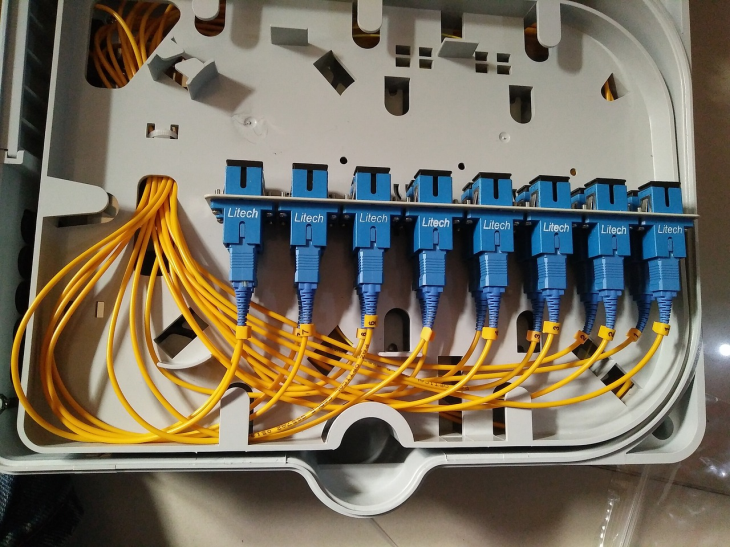
Figure 6: The manufacturing process for fiber optic polishing machines involves several steps. Source: Pixabay
Manufacture
The manufacturing process for fiber optic polishing machines involves several steps and can vary depending on the specifics of the design and the features of the machine. Generally speaking, the process follows the following steps:
- Design and planning
- Material selection
- Machining and fabrication
- Assembly
- Testing
The process begins with the design of the machine. This involves creating detailed drawings and plans for each component of the machine. The design process also takes into account the intended use of the machine, such as the types of connectors it will be able to handle, the level of automation, and other features. Due to the precise nature of these devices, attention to tolerances is very important during this phase.
Once the design is complete, the necessary materials are procured. This could include metals for the machine's frame and components, plastic for any casing or covers, electronic components for the control system, and so on. The individual components of the machine are then fabricated. This can involve a variety of manufacturing processes, such as casting, forging, machining, welding, and others, depending on the specific components.
Once all the components are fabricated, they are assembled to create the complete machine. This involves fitting together the various parts and securing them with fasteners, welding, or other methods. The electrical and control systems are then installed. This includes the power supply, the control panel, any sensors or automated components, and so on.
After the machine is fully assembled, it undergoes testing to ensure it functions properly and meets all specified quality standards. This can involve running the machine through a series of test cycles and inspecting the results to ensure the machine is producing a high-quality polish.
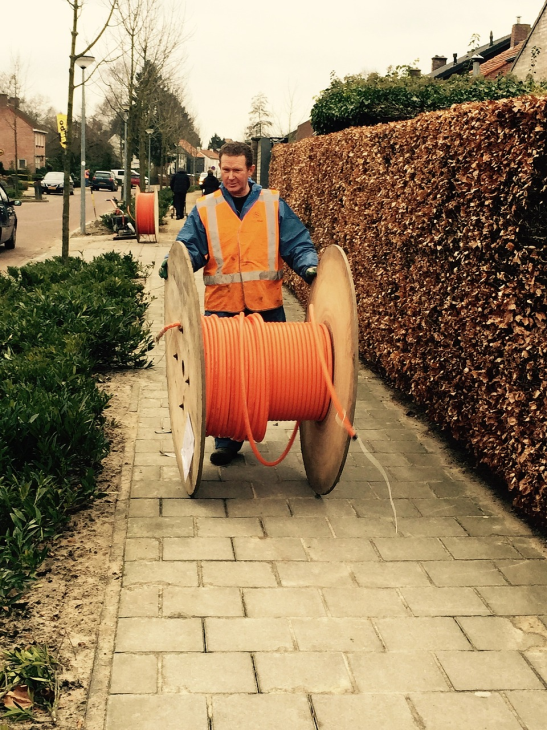
Figure 7: Fiber optic wire. Source: Pixabay
Applications
Fiber optic polishing machines are used in a variety of applications, all centered around the production, installation, and maintenance of fiber optic cables. Here are some of the key applications:
Telecommunications
The telecommunications industry is a major user of fiber optic cables, and polishing machines are used in the production and maintenance of these cables. A high-quality polish on the end face of a fiber optic connector can significantly improve the performance of the connection, reducing signal loss and improving data transmission rates.
Data Centers
Fiber optic cables are commonly used in data centers for high-speed data transmission. Polishing machines are used to prepare the cables for installation and to maintain them over time.
Cable TV and Internet Service Providers (ISPs)
Cable TV and ISPs also use fiber optic cables extensively, and they rely on polishing machines for the production and maintenance of these cables.
Medical Equipment Manufacturing
Fiber optic cables are used in a variety of medical devices, such as endoscopes and surgical lasers. Polishing machines are used in the production of these devices to ensure the highest quality connections.
Military and Aerospace
Fiber optic cables are used in a variety of military and aerospace applications, such as in communications equipment, sensors, and avionics. Polishing machines are used in the production and maintenance of these systems.
Research and Development
Research institutions and laboratories often use fiber optic cables in a variety of research applications. Polishing machines can be used in these settings to prepare custom cables for specific experiments or projects.
In all these applications, the goal is the same: to create a smooth, clean end face on the fiber optic connector, which allows the fiber optic cable to transmit light as efficiently as possible, reducing signal loss and improving overall performance.
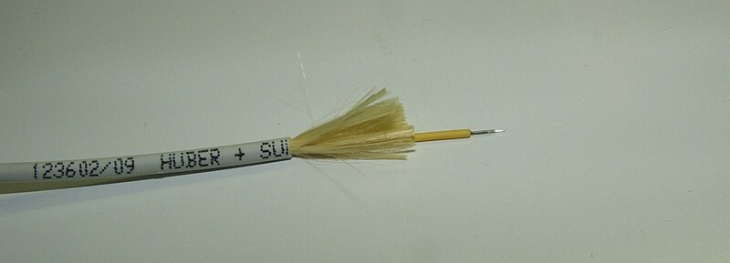
Figure 8: Single mode fiber. Source: Stewe007/CC BY-SA 3.0
Standards
While there aren't specific standards for fiber optic polishing machines themselves, there are several important industry standards that guide the production, testing, and quality of polished fiber optic connectors. These standards dictate the end-face geometry, quality of the polish, and inspection criteria for fiber optic connectors, which polishing machines must be designed to meet.
Here are some commonly referred to standards:
IEC 61755
This standard issued by the International Electrotechnical Commission (IEC) specifies the geometric attributes for the end faces of both single-mode and multimode fiber optic connectors and cords.
IEC 61300
This standard series covers the basic test and measurement procedures for fiber optic interconnecting devices and passive components.
TIA-455-57B (FOTP-57B)
This standard from the Telecommunications Industry Association (TIA) provides procedures for inspecting and testing the end-face quality of a polished fiber optic connector.
TIA-604 (FOCIS)
This is a set of standards that define the fiber optic connector interfaces.
IPC-8497-1
This standard issued by the Association Connecting Electronics Industries provides detailed requirements for the polishing, inspection, and testing of fiber optic connectors.
Polishing machines are designed to help manufacturers meet these standards by providing precise control over the polishing process. The machines often come with features for monitoring and adjusting the process to ensure the resulting polished connectors meet the appropriate standards.