Optical Network Terminals Information
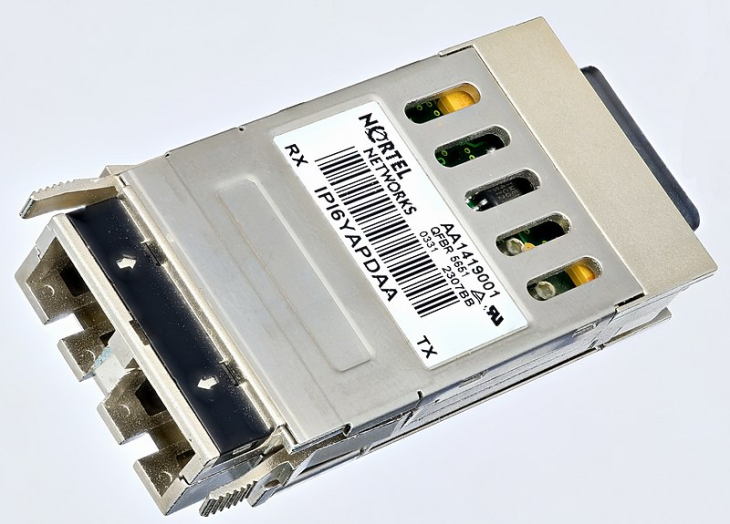
Figure 1: Optical networks are known for their incredible data transmission rates. Source: Mister rf/CC BY-SA 4.0 DEED
Optical networks are known for their incredible data transmission rates and the throughput achievable from a given fiber optic cable. For these optical signals to be used by other types of equipment, the optical signal must be transformed into an electrical signal. Optical network terminals are key components of optical systems that perform the signal transformation from optical to electrical at the extents of a fiber network.
Theory of Operation
Optical network terminals (ONTs) are essential endpoint devices in fiber-optic communication systems, responsible for converting optical signals from fiber cables into electrical signals suitable for home or business networks and vice versa. These devices play a pivotal role in ensuring high-speed and high-bandwidth communication.
An ONT typically comprises an optical receiver, which transforms incoming light signals into electrical signals, and an optical transmitter for converting electrical signals back to light for upstream communication. It also processes these signals, handling tasks like modulation and demodulation, encoding and decoding, and error correction.
The data transmission process involves downstream transmission, where light pulses carry data from the central office to the ONT, and upstream transmission, where data from the user's network is converted into light and sent back. ONTs adhere to networking standards and protocols like gigabit passive optical network (GPON) and Ethernet passive optical network (EPON), which define aspects like speed and bandwidth, and incorporate quality of service (QoS) mechanisms to ensure efficient and prioritized data handling.
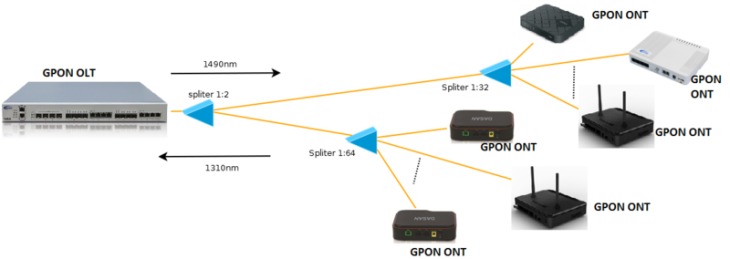
Figure 2: Gigabit passive optical network (GPON) topology. Source: Radq4/CC BY-SA 3.0 DEED
Moreover, ONTs often provide Ethernet ports and sometimes Wi-Fi connectivity for integrating with internal networks, and can also support services like VoIP and TV over the optical network. They are typically managed remotely by service providers for updates and troubleshooting, and some offer user interfaces for basic configuration and monitoring. Security features like encryption and authentication are crucial to ensure data privacy and connection legitimacy.
While offering high speed and reliability, challenges such as signal strength over long distances, initial setup costs, and installation complexities are also notable. Future developments in ONTs focus on technological advancements to improve network speed, capacity, efficiency, and adaptation to emerging internet technologies.
Specifications
The specifications of ONTs can vary depending on the manufacturer and the specific application, but they generally include several key technical and functional attributes. Here’s an overview of common specifications:
Wavelengths
Both the upstream and downstream transmission wavelengths should be specified. In GPON, for example, wavelengths might be 1,310 nm for upstream and 1,490 nm for downstream.
Optical Power Range
The minimum and maximum input optical power is defined as the optical power range. This specification is typically measured in dBm.
Network Standards and Protocols
Compatibility with different protocols like GPON and EPON is critical for proper integration. The data rate will also be specified for both upstream and downstream. Example specifications include 2.488 Gbps downstream and 1.244 Gbps upstream for GPON.
Connectivity Ports
Optical network terminals can have many different types of connectivity ports including Ethernet ports, plain old telephone service (POTS) ports, and RF video ports. The type, number, and speed of any connectivity port should be specified.
Performance Metrics
The overall performance of the ONT is a critical specification. Key metrics include throughput, latency, and packet loss. Throughput represents the actual data rate that can be supported. Latency is the time delay in data transmission and packet loss is the rate at which packets are lost in the network.
Quality of Service (QoS)
Prioritization and bandwidth allocation determine the QoS specification for an ONT. Prioritization is the ability to prioritize different types of traffic, like VoIP over data. Bandwidth allocation is a mechanism for managing bandwidth among various services.
Security Features
Keeping data safe is arguably the most important specification for an ONT. The types of encryption supported for securing data transmission should be clearly specified. Authentication protocols such as 802.1X or others for network access control should also be clearly specified.
Size and Weight
Depending on placement and installation location, the dimensions and weight of the device can also be an important specification.
Management and Maintenance
Support for remote management protocols like TR-069 or SNMP for remote configuration and monitoring can help keep a network up-to-date and reliable. The ability to update the device's firmware remotely is another key specification.
These specifications give a comprehensive view of what to expect from an ONT in terms of performance, connectivity, security, and management. Specific requirements can vary based on the network setup and the services provided
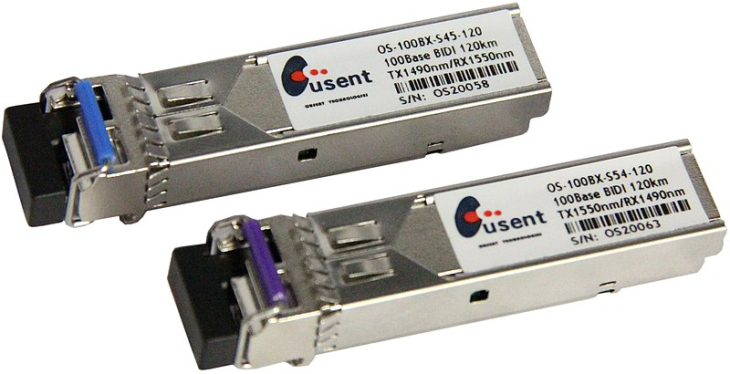
Figure 3: Ousent optical transceiver BIDI SFP/optical transmission network. Source: Ousent/CC BY-SA 4.0
Types
ONTs come in various types, each designed to cater to specific requirements and environments in fiber-optic networks. Here's an overview of the different types:
Residential ONTs
Designed for home use, these ONTs typically include multiple Ethernet ports, Wi-Fi capabilities, and ports for voice services. They are generally smaller and designed to blend with home environments.
Business ONTs
These devices are tailored for businesses and enterprise environments. They have higher capacity Ethernet ports (Gigabit), support for multiple VoIP lines, and advanced QoS features for handling business-critical applications. Enhanced security features to support business networks are often also included.
Outdoor ONTs
Used in outdoor settings or in locations where indoor installation is not feasible, these ONTs are weather-resistant and ruggedized to withstand environmental elements. Typically these ONTs have options for pole or wall mounting.
Industrial ONTs
Suited for industrial environments like factories, plants, or outdoor industrial sites, these ONTs are designed to withstand harsh conditions, like extreme temperatures, vibrations, and exposure to chemicals or dust. They often include support for industrial protocols and standards.
Mobile Backhaul ONTs
Mobile backhaul ONTs are used by telecommunications operators for mobile backhaul applications. They have high performance and low latency to support mobile data traffic. Advanced synchronization features like IEEE 1588v2 are critical for time-sensitive applications.
Multi-Dwelling Unit (MDU) ONTs
Designed for multi-tenant buildings, like apartments or condos, these ONTs have a higher capacity to serve multiple units from a single device. They have features to facilitate the distribution of services to individual units.
Customized ONTs
Tailored for unique or specialized applications, these ONTs can have a variety of features. They can be customized in terms of performance, ports, and other features as per specific project requirements.
Each type of ONT is designed with a particular set of use cases in mind, balancing performance, connectivity options, environmental durability, and specialized features. The selection of an ONT type depends on the specific requirements of the deployment scenario, such as the environment, the number of users, the types of services needed, and the network standards being implemented.
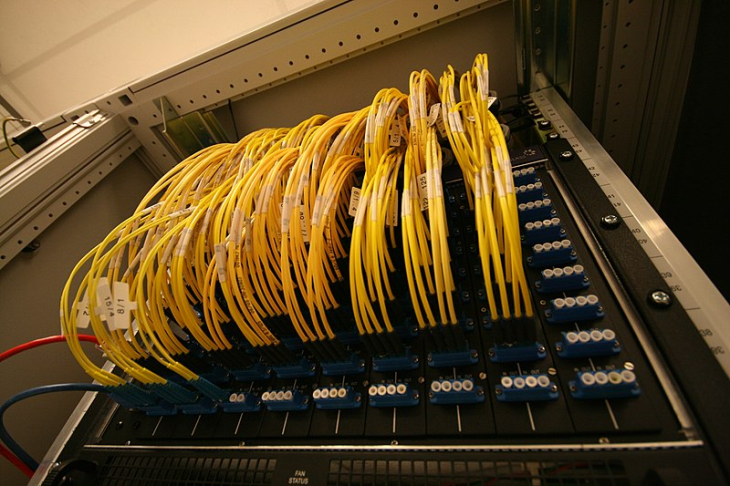
Figure 4: An optical patch panel of the AMS-IX Internet exchange point. Source: Fabienne Serriere/CC BY-SA 3.0
Features
ONTs are integral devices in fiber-optic networks, equipped with various features to facilitate efficient communication and service delivery. Here's an overview of their features:
Multiple Ports and Connectivity
The types and variety of ports on an ONT can vary depending on the application. Ethernet ports for wired connections to computers, TVs, or other network devices with varying speeds are common. POTS ports are useful for connecting landline telephones. RF video ports are needed If the network provides RF overlay services (like cable TV). For connecting peripheral devices, USB ports can be important.
Wireless Connectivity
Many ONTs include built-in Wi-Fi routers to provide wireless internet access. They may feature support for various Wi-Fi standards like 802.11n, 802.11ac.
Voice Services
Many ONTs support voice over internet protocol for telephone services. They can often handle more than one voice line.
Power Backup
Some ONTs include a battery backup to maintain service during power outages. This feature can be critical to keeping a network operational.
Physical Design and Environment Adaptability
Compact and aesthetic design can be an important feature for residential use, designed to fit unobtrusively in a home environment. Ruggedized builds on the other hand may be required for industrial or outdoor ONTs, designed to withstand harsher environments.
User Interfaces and Indicators
LED indicators to show status, power, internet connectivity, and other functions can be useful features. Some have web interfaces for users to check status or change settings.
Smart Home Integration
Newer models may support integration with smart home devices and IoT ecosystems.
ONTs are designed to be versatile and capable of handling a range of services and connectivity options, making them a crucial component in modern fiber-optic networks. They blend advanced optical technology with user-friendly features for residential and business customers alike.
Manufacture
The manufacturing process of ONTs involves several key stages, each crucial to ensure the functionality, reliability, and compliance of the final product. Key steps of the process include:
- Design and engineering
- Prototype development
- Component sourcing
- Manufacturing process
- Optical assembly
- Firmware loading and configuration
- Testing and quality control
- After-sales support
Engineers start by designing the electronic circuits that will manage data transmission and conversion. Choosing the right optical components (like lasers and photodiodes) for signal transmission and reception is critical. Controlling these components requires developing the firmware and software to control the ONT.
Initial prototyping involves creating a prototype based on the design specifications. The prototype then undergoes rigorous testing for performance, durability, and compliance with standards. Based on test results, the design may be refined.
Sourcing high-quality components like optical transmitters and receivers, integrated circuits, connectors, and other electronic components in production quantities is essential. Quality assurance ensures the components meet industry standards and are suitable for long-term use.
Printed circuit boards (PCBs), which hold and connect all electronic components, are manufactured. Using surface mount technology, automated machines place and solder tiny components onto the PCB. Additional components like ports, cases, and power supplies are assembled with the PCB. Optical transmitters and receivers are integrated into the device. Precise alignment and calibration of optical components are critical for optimal performance.
The production firmware is then loaded onto the device. Initial configuration of the ONT requires setting up basic configurations and parameters. Functional testing ensures all parts work as expected. Performance testing verifies that data transmission rates, signal quality, and other performance metrics are within specifications. Compliance testing checks for compliance with industry standards like GPON, EPON, and Wi-Fi certifications.
Providing updates for firmware to enhance functionality or security is critical to keeping ONTs operational. Offering technical support for installation, troubleshooting, and maintenance is also considered a key part of supporting distribution.
The manufacturing process of ONTs is complex and requires a high degree of precision, especially in the integration of optical components and ensuring compliance with various telecommunication standards. This process is crucial in delivering reliable and high-performing ONTs essential for modern fiber-optic communication networks.
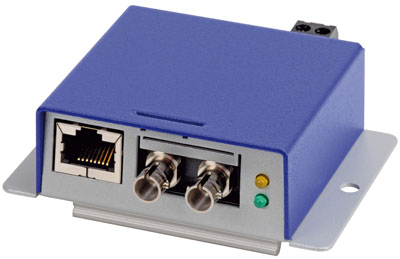
Figure 5: Fiber optic mediaconverter. Source: eks Engel GmbH & Co. KG/CC BY-SA 3.0 DE DEED
Applications
ONTs are versatile devices used in various applications, leveraging their ability to provide high-speed, reliable connections through fiber-optic technology. Here's a look at some of their common applications:
Residential Broadband Services
ONTs facilitate ultra-fast broadband internet access in homes. They support high-bandwidth applications like HD video streaming and IPTV. Connecting smart home devices and IoT ecosystems for automation and monitoring can also be accomplished with ONTs.
Business and Enterprise Networks
Enterprise connectivity is often powered by ONTs. Optical network terminals are used in businesses for high-speed internet, ensuring fast and reliable connections for enterprise operations. Facilitating secure virtual private network connections for remote work and teleconferencing is done with ONTs. Enabling fast access to cloud-based services and data storage is another application of ONTs within businesses.
Telecommunication Backhaul
ONTs are used by telecom operators to backhaul data from cell towers to central networks, crucial for 4G/5G networks. ONTs assist in expanding telecommunication networks by providing a means to connect new areas with high-speed fiber.
Healthcare Facilities
Supporting high-speed connections for telemedicine applications, allowing for remote consultations and diagnostics, is often done with ONTs. These devices also provide the backbone for hospital information systems, including patient records and medical imaging data.
Educational Institutions
ONTs offer high-speed internet access across educational campuses, essential for research and educational purposes. They also facilitate access to e-learning platforms and vast online educational resources.
Government and Public Services
Enabling efficient online government services and communications often requires ONTs. Supporting communication networks for public safety and emergency services requires the ability to communicate quickly.
Hospitality Industry
ONTs often provide guests with high-speed internet access, IPTV, and in-room entertainment services. They also ensure robust connectivity for events, conferences, and business meetings.
Industrial and Manufacturing
Supporting connectivity for industrial automation systems and IoT devices in manufacturing plants increasingly requires lower latency and more throughput. ONTs enable real-time access to data for monitoring and controlling manufacturing processes.
ONTs are a cornerstone in modern telecommunication and data networks, offering the necessary bandwidth and reliability for a wide range of applications. Their use spans from basic home internet access to complex enterprise and industrial systems, showcasing the versatility and necessity of fiber-optic technology in various sectors
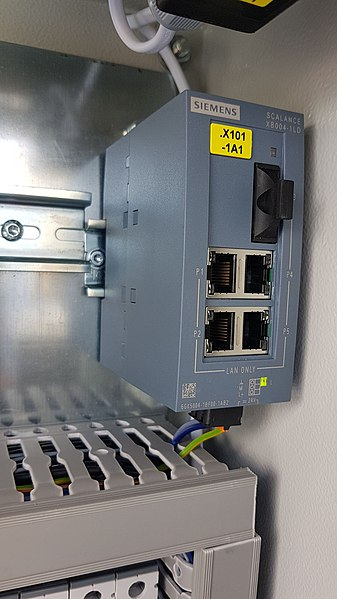
Figure 6: Fiber optic cable splice. Source: Asurnipal/CC BY-SA 4.0 DEED
Standards
ONTs are governed by various standards to ensure compatibility, performance, and reliability in fiber-optic networks. These standards are set by international and industry-specific organizations. Some specific standards applicable to ONTs include the following:
ITU-T G-Series Recommendations
ITU-T G.984 is a series of standards defining GPON architecture and requirements. It covers aspects like bandwidth, distance, optical power, and splitting ratios. G.987 (XG-PON) specifies 10-Gigabit-capable passive optical networks (XG-PON), an advancement over GPON with higher capacity.
FSAN, an industry consortium, works closely with ITU-T and provides guidelines that influence G-series recommendations. It plays a critical role in the development of GPON standards.
IEEE 802.3 Standards
802.3ah (EPON) defines EPON, detailing the physical layer and convergence layer specifications for implementing EPON systems. 802.3av (10G-EPON) is an extension of EPON for 10 Gigabit Ethernet over passive optical networks.
TR-156 Using GPON Access
Broadband Forum TR-156 provides requirements and specifications for using GPON technology in broadband access networks, addressing architecture, performance, and interoperability.
TR-069 for Remote Management
CWMP (CPE WAN Management Protocol) is defined by TR-069. This standard is used for remote management of ONTs, enabling service providers to perform auto-configuration, provisioning, and management.
QoS and Security Standards
IEEE 802.1p/Q are standards for QoS and VLAN tagging in networking devices, crucial for traffic prioritization and management in ONTs. Advanced Encryption Standard for securing data transmission is particularly relevant for GPON.
These standards ensure that ONTs can reliably serve their intended functions, interoperate with other network components, and comply with international regulatory requirements. Adherence to these standards is critical for device manufacturers and network operators to provide high-quality, secure, and efficient fiber-optic services