Wavelength Lockers Information
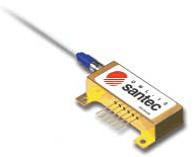
Figure 1: Wavelength locker. Source: Santec
Wavelength lockers are integral components in optical communication, specifically in stabilizing the wavelength output of lasers within dense wavelength division multiplexers (DWDMs) and optical add-drop multiplexers. They ensure the accuracy and consistency of laser performance, essential for effective communication systems.
Tunable laser manufacturers find these devices particularly beneficial for reducing the size of laser packages. Wavelength lockers come in two primary forms: external and internal. External wavelength lockers are applied outside the laser package, while internal lockers are embedded within, often resulting in improved performance and manufacturing cost efficiencies. Additionally, the design of wavelength lockers varies as front or back lockers, determined by whether they receive light from the front or back facet of the laser.
Understanding the functionalities, types, and applications of wavelength lockers helps professionals involved in optical communication and laser technology.
Types
Wavelength lockers play a role in the precise control of laser wavelengths in optical communication systems. They come in various types, each tailored to specific needs and applications in the industry.
External
External wavelength lockers, positioned outside the laser package, are essential for systems where internal integration is not feasible. They are particularly important for retrofitting existing systems or in situations where modifying the internal structure of the laser is impractical.
These lockers offer flexibility in installation and are easily integrated with various systems. However, they may be less effective in stabilization than their internal counterparts and often require additional space and alignment, which can be a consideration in compact setups. When selecting an external wavelength locker, factors like compatibility with the existing laser system, stabilization precision requirements, and spatial constraints should be considered.
Internal
Internal wavelength lockers are integrated directly within the laser package, offering enhanced stabilization due to their close proximity to the light source. They are key components in compact system designs where space efficiency is paramount. These lockers are best suited for new systems designed with internal space provisions for such integration.
The advantages include a reduction in overall system size and complexity, along with improved performance. However, challenges in manufacturing integration and system design modifications can be potential drawbacks. Selection considerations include design limitations of the laser system, required level of wavelength precision, and manufacturing integration capabilities.
Etalon-Based
Etalon-based wavelength lockers leverage etalons — optical elements consisting of two parallel, partially reflective surfaces — for wavelength stabilization. They excel in precision, selectively allowing certain wavelengths to pass while reflecting others. This selective transmission makes them highly effective in applications demanding narrow wavelength control.
Their major advantage lies in their accuracy and ability to finely tune laser outputs. However, they can be sensitive to temperature variations and may require environmental controls. Etalon-based lockers are particularly suited for systems where high precision over a narrow wavelength range is essential, such as in high-speed optical communication networks and precision spectroscopy.
Fiber Bragg Grating (FBG) Based
https://www.youtube.com/watch?v=apr-XUtjmBY
Video: What is Fiber Bragg Grating? Source: Fiber Optics for Sale Co.
FBG-based wavelength lockers utilize Fiber Bragg Gratings, which are sections of an optical fiber that reflect specific wavelengths of light while transmitting others. These lockers are known for their compactness and robustness, making them ideal for fiber laser systems and environments where space and durability are concerns.
They are highly efficient in maintaining the stability of laser outputs, especially in systems where wavelength drift can be detrimental. The main advantage of FBG-based lockers is their ability to provide stable performance with minimal space requirements. However, they might not be as flexible in terms of wavelength range adjustment as other types. FBG lockers are best used in applications like fiber laser systems and remote sensing where stable and consistent performance is vital.
Polarization-Based
https://www.youtube.com/watch?v=HH58VmUbOKM
Video: Overview of polarization of light. Source: Khan Academy
Polarization-based wavelength lockers use the polarization properties of light for stabilization purposes. These lockers are particularly relevant in systems where the control of the laser's polarization state is crucial to the system's performance. They work by aligning the polarization of the laser light in a way that stabilizes the wavelength. While providing an added layer of control, these lockers are best used in conjunction with other wavelength locker types for enhanced performance.
The main benefit of polarization-based lockers is their ability to integrate wavelength stabilization with polarization control, which is essential in applications like coherent optical communication and polarization-sensitive imaging systems. However, their complexity and the need for precise alignment can be challenging in some system designs.
Components
Wavelength lockers, essential for stabilizing laser outputs, consist of various components, each serving a distinct function. Understanding these components can help select the appropriate wavelength locker for various applications.
Optical Filters
Optical filters in wavelength lockers are used to select or block specific wavelengths of light. They are fundamental in defining the operational wavelength range of the locker. These filters can be made from different materials and come in various types. The choice of filter material and type impacts the precision and efficiency of the wavelength locker.
Photodetectors
Photodetectors convert the optical signals received by the wavelength locker into electrical signals. They are the components that enable the locker to monitor the wavelength of the laser. The efficiency, speed, and sensitivity of the photodetector directly influence the performance of the wavelength locker. Some advanced photodetectors can detect changes in wavelength with extremely high precision, which is vital for applications requiring stringent wavelength control.
Electronic Control Systems
The electronic control systems in wavelength lockers are responsible for processing the signals from the photodetectors. These systems often include microprocessors and various types of control algorithms. The sophistication of the control system determines how quickly and accurately the wavelength locker can respond to changes in the laser output. In advanced systems, these controls can be highly automated, offering precise adjustments in real-time, which is essential for maintaining consistent performance in dynamic environments.
Mechanical Mountings and Alignments
Mechanical components like mountings and alignment structures maintain the physical stability of the wavelength locker. Proper alignment ensures that the optical components interact correctly with the laser light. These mechanical components must be designed to withstand environmental factors like temperature changes and vibrations, which could affect the locker's performance.
Industrial Applications
Wavelength lockers enhance the performance and precision of laser systems in a variety of industries. They play a role in telecommunications, ensuring efficient data transmission in fiber optic networks. In the medical and biomedical imaging fields, these devices contribute to the accuracy of laser-based imaging technologies. Industrial metrology relies on them for precise laser measurements, and in research and development, they enable high-precision experiments. This range of applications showcases the versatility of wavelength lockers, emphasizing their significance in different sectors and the unique challenges they help overcome.
Telecommunications
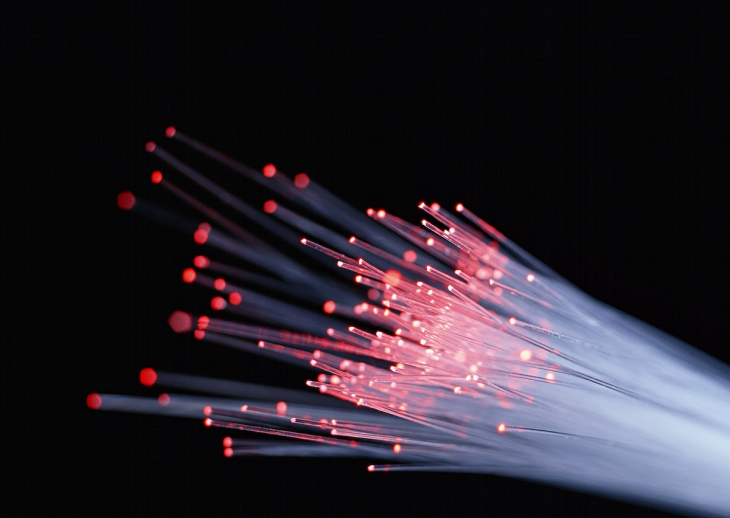
Figure 2: Optical fiber. Source: Public domain
In the telecommunications industry, wavelength lockers are key components in DWDM systems. They ensure that the laser outputs the exact wavelength required for each channel, maximizing the capacity and efficiency of fiber optic networks. The stability provided by wavelength lockers is critical in long-distance communication, where even slight variations in wavelength can lead to significant data loss. The primary benefit in this sector is the enhanced data transmission rates and reduced error rates. However, the challenge lies in maintaining consistent performance over a wide range of environmental conditions, making durability and reliability paramount considerations.
Medical and Biomedical Imaging
Wavelength lockers find significant applications in medical and biomedical imaging, particularly in systems that rely on laser-based imaging technologies like optical coherence tomography (OCT). They ensure that the laser operates at a stable and precise wavelength, which is essential for high-resolution imaging and accurate diagnostic results. The stability of the wavelength directly impacts the quality and reliability of the imaging results. In this field, the wavelength locker must be highly precise and reliable, with consideration for compatibility with medical equipment and adherence to stringent safety standards.
Industrial Metrology
In industrial metrology, wavelength lockers are used in laser-based measurement and inspection systems. These systems often require lasers to operate at very specific wavelengths to ensure accurate measurements. Wavelength lockers enable precise control over the laser output, which is important for applications like 3D scanning, surface profiling, and alignment in manufacturing processes. The key benefit here is the improvement in measurement accuracy and consistency. However, industrial environments may pose challenges such as vibrations, temperature fluctuations, and mechanical stresses, requiring robust and durable wavelength locker designs.
Research and Development
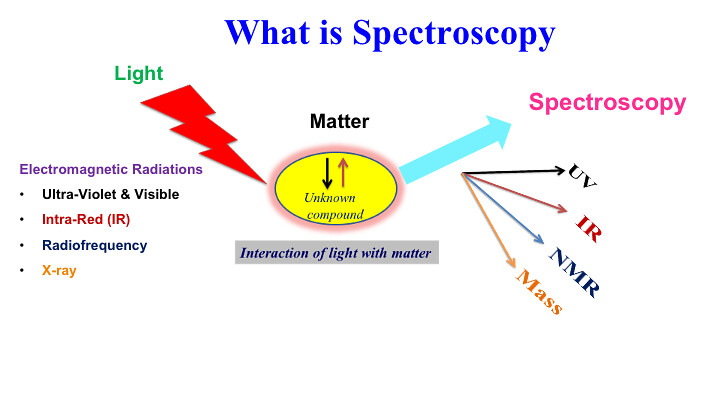
Figure 3: Spectroscopy diagram. Source: Sachinkumar Shinde
Wavelength lockers are also extensively used in research and development, particularly in fields like spectroscopy, where precise wavelength control is necessary. They allow researchers to conduct experiments with high precision and repeatability. The advantage in R&D is the ability to explore a wide range of wavelengths with high accuracy, crucial for experiments in fields like physics, chemistry, and material science. The main consideration is the flexibility and adaptability of the wavelength locker to various experimental setups and conditions.
History
The history of wavelength lockers is intertwined with the evolution of laser technology and optical communication.
Initial Development
The concept of wavelength lockers emerged in the late 20th century, closely following advancements in laser technology. As optical communication systems, particularly fiber optics, began to grow in the 1980s and 1990s, the need for precise wavelength control became evident.
Early 2000s
The early 2000s marked significant developments in wavelength locker technology, driven by the rapid expansion of the telecommunications industry. This period saw the integration of wavelength lockers into DWDM systems, which required precise wavelength tuning to optimize data transmission over fiber optic cables.
Recent Advances
In recent years, wavelength locker technology has continued to evolve, with improvements in components like photodetectors and electronic control systems. The focus has been on enhancing precision, miniaturization, and reliability to meet the demands of modern optical communication systems. The use of wavelength lockers has also expanded beyond telecommunications, finding applications in medical imaging, industrial metrology, and research.