Roof Supports (mining) Information
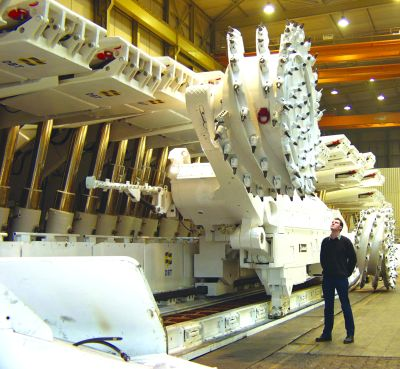
Figure 1: Mining is no easy task but is made easier with proper equipment and specially designed machines. Source: R-Victor-Von-Doom/CC BY-SA 4.0 DEED
Mining is no easy task but is made easier with proper equipment and specially designed machines. Mining roof supports are one such innovation that assists in many different aspects of mining. Roof supports for mining have evolved over the generations with an emphasis on safety, reliability, and cost-efficiency.
Theory of Operation
The operation of mining roof supports is a critical aspect of ensuring safety and stability in mining tunnels during ore extraction. These supports are essential in preventing cave-ins and safeguarding the miners. At the core of their function is load-bearing, where they are designed to support the weight of the overlying rock layers. The capacity of these supports is influenced by their material and design.
An integral part of their function is to control rock movement, preventing small fragments or large blocks from collapsing into the mine, which is vital for avoiding injuries and maintaining clear, safe work areas. Various types of supports are used, including traditional wooden props and beams, which are less common now due to limitations in strength and durability. Steel supports, such as arches and beams, are more prevalent in modern mining, offering greater strength and suitability for deeper excavations. Hydraulic supports, especially efficient in contemporary longwall mining, offer precise control over the roof and can be adjusted and moved as the mining front progresses.
The choice of support system also depends on the mining method. In longwall mining, hydraulic supports are extensively used and are advanced in tandem with the mining process, allowing a controlled collapse of the mined-out area. In contrast, room and pillar mining involves more permanent supports, leaving pillars of unmined material.
Modern mining operations often employ sensors and monitoring systems to track the performance of roof supports, adjusting them as necessary. This is particularly crucial in longwall mining, where hydraulic supports require continuous adjustment. Prior to installing these supports, a thorough geological assessment is imperative to understand rock types, fault lines, and overall area stability. Additionally, mining operations must adhere to stringent safety standards and regulations, which include specific requirements for roof supports to ensure worker safety.
Mining roof supports revolve around balancing efficient material extraction with the fundamental need for safety and stability within the mine. Technological advancements and improved engineering practices have significantly enhanced the effectiveness and safety of these support systems.
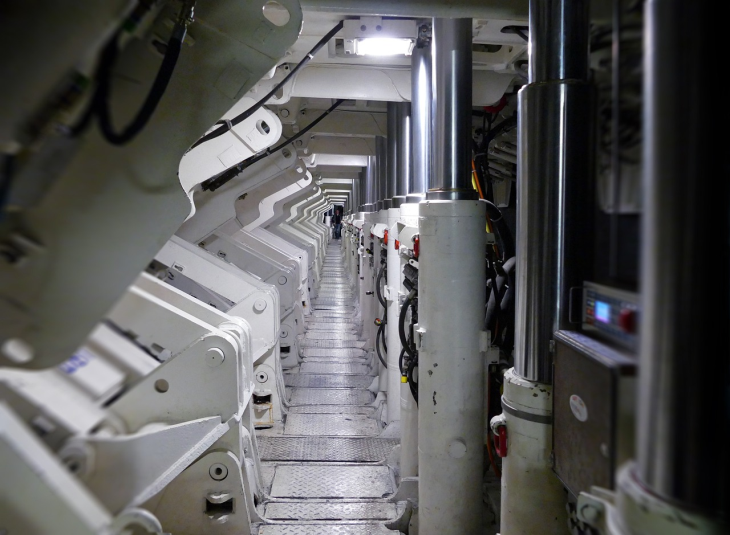
Figure 2: The specifications for mining roof supports vary depending on the type of mine, the mining method, and the geological conditions. Source: Pixabay
Specifications
The specifications for mining roof supports vary depending on the type of mine, the mining method, and the geological conditions. However, some common specifications include:
Material Strength and Durability
The materials used for roof supports must be strong and durable enough to withstand the immense pressures of the earth and rock above. This often includes high-grade steel or reinforced concrete.
Load-Bearing Capacity
Supports are designed to bear specific maximum loads, which are determined based on geological assessments and mining depth. This capacity is a crucial specification, as it ensures the supports can hold the weight of the rock without collapsing.
Size and Dimensions
The size and dimensions of the supports are tailored to fit the particular needs of the mine. This includes height, width, and length, which must be compatible with the size of the mining tunnels and the machinery used.
Adjustability and Flexibility
In some mining methods, such as longwall mining, supports need to be adjustable. Hydraulic supports, for example, can be extended or retracted to control the roof precisely.
Corrosion Resistance
Given the harsh environment inside mines, roof supports must be resistant to corrosion. This is especially important in mines with high humidity or exposure to chemicals.
Ease of Installation and Removal
The supports should be designed for efficient installation and removal, particularly in mining methods where the supports are moved as the mining front progresses.
Safety Features
Safety features can include fail-safes, redundancy in load-bearing capabilities, and compatibility with monitoring systems that track the health and status of the supports.
Customization for Geological Conditions
Supports might need to be customized for specific geological conditions, such as areas with high seismic activity or unusual rock formations. The geological conditions for each mine greatly determine how roof supports must perform.
These specifications are determined through a combination of engineering analysis, empirical data, and regulatory requirements, ensuring that the roof supports provide the necessary safety and functionality for mining operations.
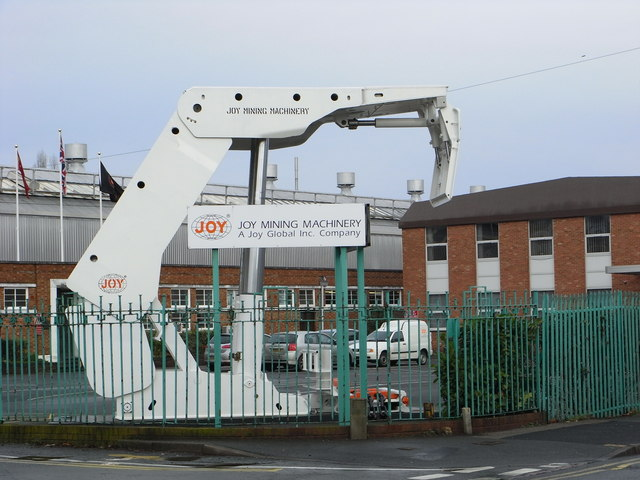
Figure 3: Mining roof supports are essential for ensuring the safety and structural integrity of underground mines. Source: Chris Allen/CC BY-SA 2.0 DEED
Types
Mining roof supports are essential for ensuring the safety and structural integrity of underground mines. Various types of roof supports are used, each suited to different mining conditions and methods. The main types include:
Wooden Props and Beams
These are the traditional form of support, used primarily in smaller or less mechanized mines. Wooden props are simple to install and can be adjusted for height. However, they are less durable and have a lower load-bearing capacity compared to more modern materials.
Steel Sets
Made of steel, these supports are stronger and more durable than wooden props. Steel sets can be in the form of arches, rings, or beams, and are often used in mines with harder rock that requires stronger support.
Rock Bolts and Cable Bolts
Rock bolts are long steel rods that are inserted into drilled holes in the mine roof and tensioned to hold the rock layers together, essentially making the roof self-supporting. Cable bolts are longer and provide support over a larger area, making them suitable for more unstable or fractured rock conditions.
Hydraulic Props and Shields
Commonly used in longwall mining, these supports are adjustable and can support very high loads. Hydraulic props can be individually moved and adjusted, while hydraulic shields provide a larger area of support and can be advanced mechanically as mining progresses.
Powered Roof Supports
These are sophisticated hydraulic systems used in high-production environments like longwall operations. They offer high load-bearing capacity and can be automatically or remotely controlled to advance with the mining operation.
Pumpable Roof Supports
This technology involves injecting a cementitious or resin-based material into a bag or cavity in the roof, which then hardens to form a support structure. It's used in situations where conventional supports are difficult to install.
Yieldable Steel Supports
These supports are designed to deform under high loads, absorbing energy and maintaining support while allowing controlled roof sag. They are useful in highly stressed or dynamic load conditions.
Timber Cribs
Constructed from timber, these are stackable, box-like structures that can provide substantial support. They are often used in conjunction with other support types for additional stability.
Each type of support has its specific application depending on the mining method, the nature of the rock, the depth of the mine, and the scale of operations. The choice of support is crucial for ensuring not only the safety of the miners but also the efficiency and viability of the mining operation.
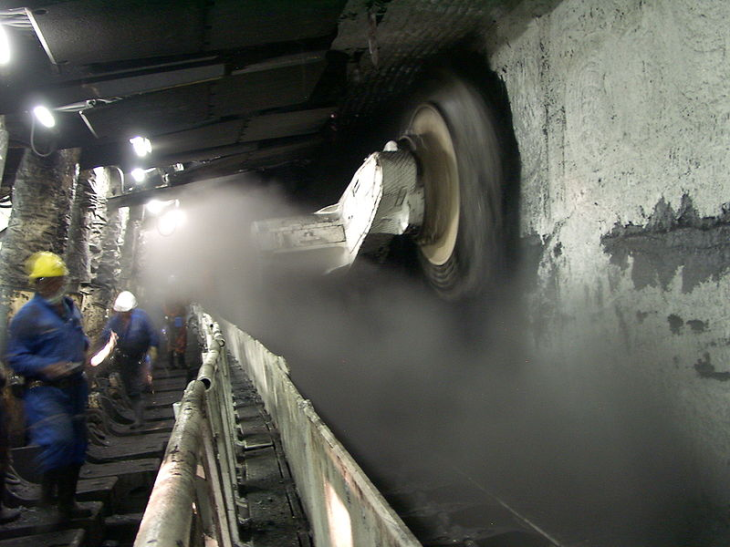
Figure 4: Mining roof supports exhibit several key features that define their functionality and effectiveness. Source: Eickhoff Engine Works and Iron Foundry/CC BY-SA 3.0 DEED
Features
Mining roof supports, which are crucial for ensuring the safety and stability of underground mining operations, exhibit several key features that define their functionality and effectiveness. These features include:
Durability and Strength
Supports are constructed from materials like steel or reinforced concrete to ensure they can withstand the harsh underground environment and the immense pressure exerted by the overhead rock.
Corrosion Resistance
Given the potentially humid and corrosive environment in underground mines, supports are often treated or made from materials that resist corrosion.
Compatibility with Mining Operations
Supports are designed to be compatible with the specific mining method being used, whether it's room and pillar, longwall, or any other method. This includes considerations for the ease of installation and removal, the space they occupy, and their integration with other mining equipment.
Environmental Considerations
In line with increasing environmental concerns, some roof supports are designed with a focus on reducing environmental impact, which could include aspects like the use of recycled materials or designs that minimize waste.
Ease of Installation and Maintenance
The design of the supports often takes into account how easy they are to install, adjust, and maintain. This is crucial for minimizing downtime and ensuring continuous and safe mining operations.
Integration with Monitoring Systems
Advanced mining operations may integrate roof supports with sensor-based monitoring systems to track their performance and condition in real-time, allowing for proactive maintenance and adjustment.
These features collectively ensure that mining roof supports fulfill their primary role of maintaining mine safety and structural integrity, while also aligning with the operational and environmental requirements of modern mining practices.
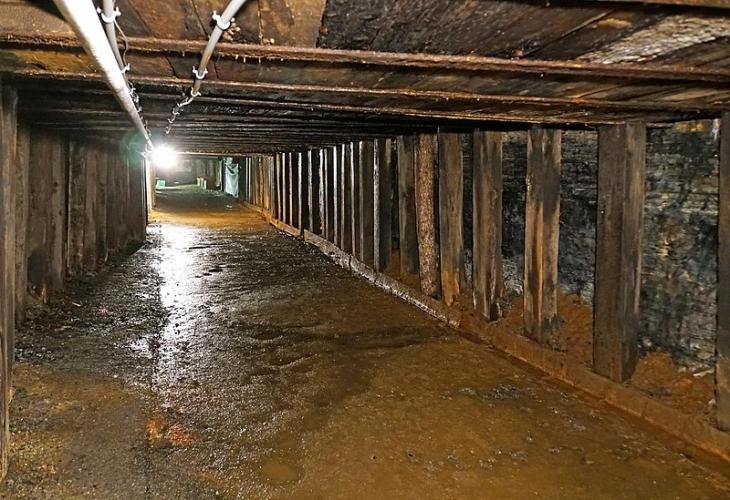
Figure 5: The manufacturing process of mining roof supports involves several key steps and considerations. Source: Dennis Jarvis/CC BY-SA 2.0 DEED
Manufacture
The manufacturing process of mining roof supports involves several key steps and considerations to ensure they meet the required standards of strength, durability, and functionality. The process typically includes:
- Material selection
- Design and engineering
- Cutting and shaping
- Assembly
- Coating and treatment
- Quality control and testing
- Customization
The choice of material is crucial, with high-strength steel being a common choice due to its durability and load-bearing capacity. Other materials like reinforced concrete or specialized alloys might also be used, depending on the type of support and its intended use.
The supports are designed by engineers who take into account various factors such as the expected load, the mining environment, adjustability needs, and compliance with safety standards. Computer-aided design software is often used for precision and efficiency in design.
Once the design is finalized, the raw materials are cut and shaped into the required components. This can involve processes like laser cutting, welding, and bending. Precision in this stage is critical to ensure the components fit together correctly and perform as expected.
The individual components are then assembled into the final product. This might involve welding, bolting, or other methods of joining parts. For complex systems like hydraulic supports, this stage also includes the installation of hydraulic cylinders and other moving parts. To enhance durability and corrosion resistance, the assembled supports are often treated with protective coatings. This could include paint, galvanization, or other protective layers.
Once assembled, the supports undergo rigorous quality control checks and testing. This may include load testing, where the supports are subjected to forces exceeding their intended operational loads to ensure they can safely hold the weight they are designed for.
In some cases, supports are customized for specific mining conditions. This could involve adjustments to size, shape, or functionality to suit particular geological conditions or mining methods.
While not strictly part of the manufacturing process, the installation and adjustment of the roof supports at the mining site are crucial steps. This often involves setting up the supports in the mine and adjusting them to fit the specific conditions of the tunnel or chamber.
Throughout this process, there is a strong emphasis on adhering to industry standards and safety regulations, given the critical role that roof supports play in ensuring the safety of mining operations.
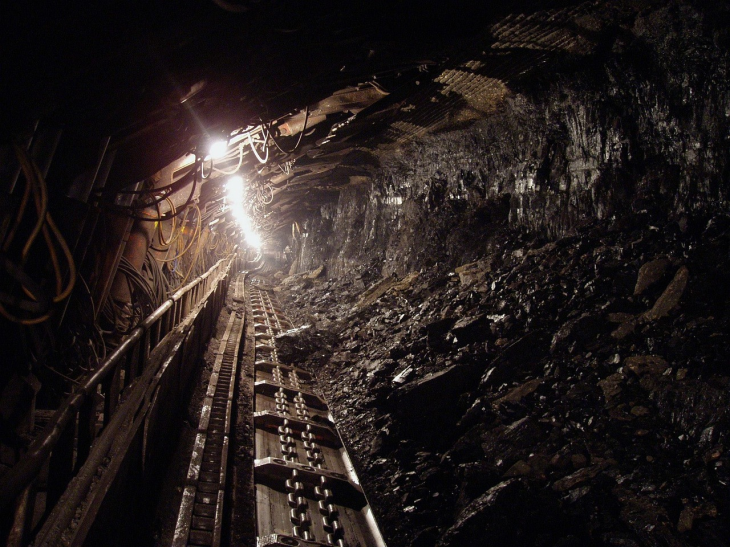
Figure 6: Mining roof supports are essential components in underground mining operations. Source: Pixabay
Applications
Mining roof supports are essential components in underground mining operations, and they find applications in various mining methods and environments. Some of their primary applications include:
Longwall Mining
In longwall mining, roof supports are critical for safety and efficiency. Hydraulic powered roof supports are commonly used here. They are advanced continuously as the longwall miner progresses, allowing for the controlled collapse of the roof in the mined-out area.
Room and Pillar Mining
This method involves leaving pillars of unmined material to support the roof. Roof supports in room and pillar mining may include more permanent installations like steel sets or timber framing, in addition to the pillars themselves.
Retreat Mining
This is a phase of room and pillar mining where the pillars are extracted, and the roof is allowed to collapse in a controlled manner. Additional roof supports may be used to ensure miner safety during this process.
Cut and Fill Mining
In this method, the void left by mining is filled with waste rock or other material, which then provides support for the roof. Additional supports may be used in conjunction with the fill material for enhanced stability.
Sublevel Caving
In this method, gravity assists in ore removal. As ore is removed, the roof is allowed to collapse at a controlled rate. Roof supports are used to protect the access areas and manage the rate and safety of the collapse.
Hard Rock Mining
In mines extracting hard rock minerals, robust roof supports like steel sets or rock bolts are commonly used to prevent cave-ins and ensure safety.
Coal Mining
Both in longwall and room and pillar mining for coal, various types of roof supports are used, including hydraulic shields, timber, and steel props.
Tunneling and Drift Mining
For creating tunnels or drifts in mining, roof supports are crucial for the safety of the passages until they are either filled or reinforced for long-term stability.
Exploratory Mining or Drilling
Even in preliminary exploration phases or drilling operations, temporary roof supports may be used to ensure safety.
The design and selection of roof supports in these applications depend on factors like the mining method, the nature of the rock, depth of the mine, and the scale of the operation. The primary goal in all these applications is to maintain safety and structural integrity, while also considering operational efficiency and cost-effectiveness.
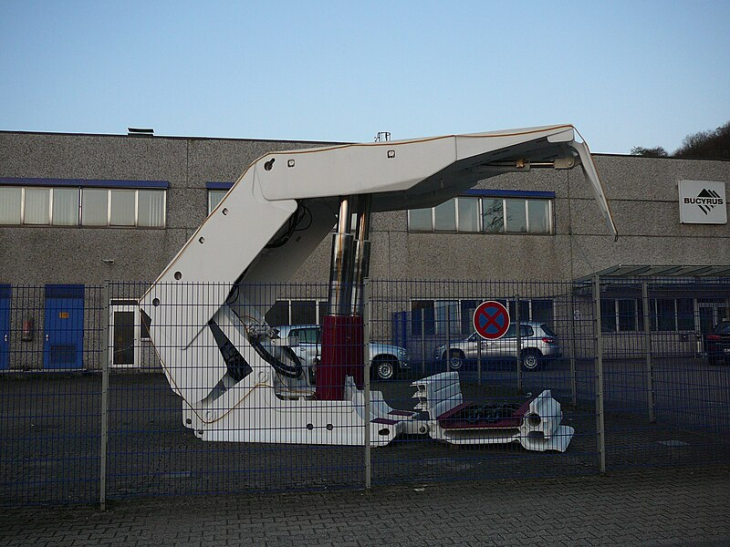
Figure 7: Mining roof supports must adhere to a range of industry standards and regulations that ensure safety, durability, and effectiveness. Source: Atamari/CC BY-SA 3.0 DEED
Standards
Mining roof supports must adhere to a range of industry standards and regulations that ensure safety, durability, and effectiveness. These standards are typically set by national and international regulatory bodies and may vary depending on the country and specific mining conditions. Key standards and regulatory considerations include:
- ISO 19426-1:2018
- ISO 19296:2018
- ANSI/ASSE A10.4-2016
- EN 1804-1:2001
- EN 14591-1:2004
- 30 CFR Part 75
Part of ISO 19426 specifies general safety requirements for surface and underground mining equipment, which can include roof supports. Other ISO standards specify safety requirements for mobile and transportable underground machines. They include requirements for support systems in underground mining.
While primarily for construction and demolition operations, ANSI/ASSE A10.4-2016 also covers safety requirements that can be applicable to mining roof supports, especially in terms of installation and maintenance.
EN 1804-1:2001 specifies general safety requirements for tunnelling machinery. It includes considerations relevant to roof support systems in tunnels, which can be applied to mining scenarios. EN 14591-1:2004 is focused on explosion prevention and protection in underground mines. It has implications for the design and operation of roof supports in environments with explosive atmospheres.
30 CFR Part 75 is a set of regulations that includes specific requirements for roof support systems in underground coal mining operations in the U.S.
Mining industry bodies often publish best practice guidelines that include recommendations for roof support systems. For example, the International Council on Mining and Metals (ICMM) may offer guidance documents relevant to roof support safety and efficacy.
It's important to note that these standards are subject to periodic updates and revisions. Mining companies and equipment manufacturers must stay informed about the latest standards and regulations to ensure compliance and safety in their operations. These standards are essential for ensuring that mining roof supports are capable of handling the stresses and hazards of underground mining, thereby protecting the lives of miners and the integrity of mining operations. Compliance with these standards is not only a legal and regulatory requirement but also a critical component of risk management and operational efficiency in mining.