
Circuit Breaker Test Equipment Information
Circuit breakers prevent excessive current from traveling through a circuit by physically interrupting the circuit during unsafe conditions. Breaking the circuit prevents excessive current from damaging equipment or injuring personnel. Knowing that circuit breakers are operational and in good condition is critical to keeping circuits safe.
Circuit breakers often have an expected lifetime of decades. For the majority of that time, the circuit breaker will not be in motion, staying in the same position. Regardless of the long periods of static waiting, circuit breakers must perform if unsafe conditions arise. Periodically checking the condition and operation of circuit breakers is essential to keeping power systems safe. Knowing what to look for allows for proper selection of equipment and test procedures.
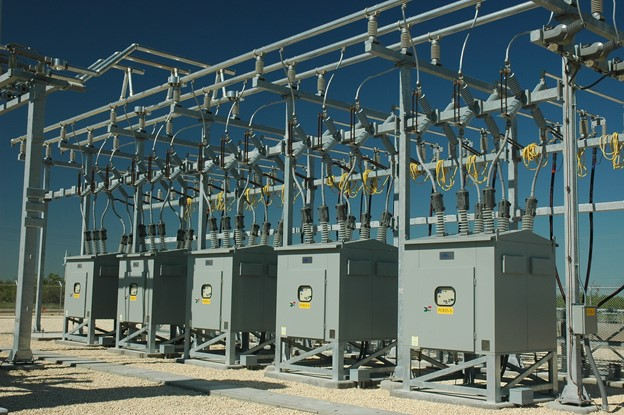
Figure 1: Circuit breakers. Source: Pixabay
How Circuit Breakers Work
Before selecting the proper equipment for testing circuit breakers, it is important to understand how the circuit breaker itself works. While many different types of circuit breakers exist, they all perform the same basic functions:
- Momentarily withstand fault current
- Safely break open the circuit when needed
- Terminals must withstand voltage after breaking
- Arc should be quickly extinguished
- Arc should be prevented from re-striking
Accomplishing all of those requirements is critical to keeping power systems safe. Circuit breakers are selected based on the application, voltage, and current that the circuit breaker is expected to see. When a fault current is detected, the circuit breaker mechanically opens to break the circuit and stop the flow of current.
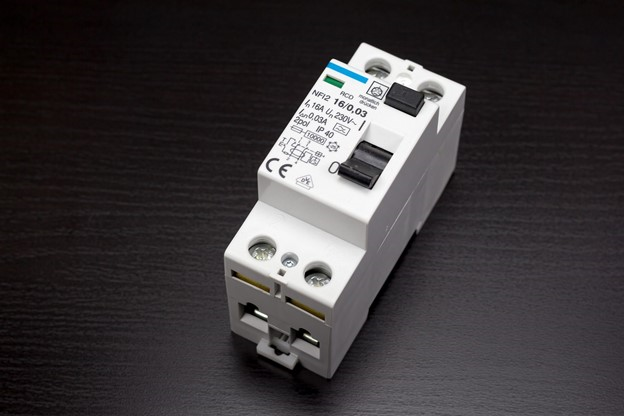
Figure 2: Circuit braker fi-switch. Source: Pixabay
Mechanical Opening
Circuit breakers use a variety of different energy sources to mechanically break the current. These sources include solenoids, spring energy, pressurized air, thermal expansion, and magnetic fields. The energy can come from an external source or from the current flowing through the breaker. The type of breaker chosen depends on the application.
Arc Extinction
While breaking the circuit and stopping the flow of current is imperative, extinguishing arcs is crucial to preventing further damage or unsafe conditions. High voltage between the contacts can cause an arc to form as the circuit is mechanically broken. While the arc is present, current is still flowing and damage can occur to the breaker contacts and other equipment.
Typically, an insulative environment is used to help extinguish the arc quickly by making it harder for current to flow. The insulating or dielectric arc extinction medium used in a circuit breaker depends heavily on the application, voltage, and current that the breaker will see. Common arc extinction mediums include air, SF6 (sulphur hexafluoride), vacuum, and insulating oil.
How Circuit Breaker Test Equipment Works
Circuit breaker test equipment works to check that the circuit breakers still operate as designed. As vital as they are to the protection of people and equipment, more than 50% of unmaintained circuit breakers will fail to operate after being in service for five years or more. Maintenance and testing is critical to keeping circuits safe.
Circuit breaker test equipment works by capturing and measuring the response of circuit breakers to assess the condition of the equipment and predict the likelihood that the circuit breaker will perform if needed in the future. Any equipment used to test circuit breakers must provide accurate and repeatable results.
Because circuit breakers must be taken off-line for testing, quick setup times are a must. Complex tests are often not worth the added complications and downtime, except for in very specific scenarios.
Circuit breaker test equipment essentially predicts whether or not a circuit breaker is likely to perform as expected in the near future. Circuit breaker test equipment is able to measure key parameters related to the circuit breaker and record information on how the circuit breaker mechanically performs. Two common ways to test circuit breakers in the field are primary and secondary current injection testing.
Primary Current Injection
Primary current injection is the most accurate way to test any circuit breaker. Often used with high current, high voltage power distribution systems, primary current injection directly injects a current into the system to see how the system behaves. Primary current injection is used to ensure thermal magnetic, electronic, and high-voltage circuit breakers will disconnect the circuit properly when exposed to a predetermined level of current.
Primary current injection testing is one of the best tests that can be performed because it directly tests the response of the circuit breaker to an unsafe condition. Due to the fact that the system has to be taken out of service for testing, primary current injection testing is often performed early on, usually during commissioning.
Secondary Current Injection
Unlike primary current injection testing, secondary testing injects current into a trip relay of an electronic relay. While this does not directly test the function of the circuit breaker, the test is often sufficient to confirm operation and is significantly easier to perform, requiring much lower currents. Secondary current injection testing uses smaller equipment that is easier to set up and requires less training to operate.
Choosing the Right Type of Test
Both types of testing are used commonly to keep equipment safe. For low voltage, low amperage circuit breakers, primary current injection is the only way to test. Because of the low amperages involved, the test equipment remains lower cost and easy to use. When the voltages and amperages increase, secondary current injection often becomes an option worth considering.
When secondary current injection is an option, primary current injection testing is naturally more expensive and time consuming due to the higher required currents for testing. The test equipment tends to be larger and more cumbersome to set up. Additional safety procedures are sometimes needed also.
Even with these downsides, primary current injection testing is able to test aspects of the circuit breaker that cannot be done through the secondary injection test only. When a secondary current injection test is sufficient, that is what should be chosen.
Specifications
Selecting the right circuit breaker test equipment means finding the equipment that can provide the right data to inform maintenance operations and predict whether or not a circuit breaker will perform as designed. Picking the right equipment starts with first understanding the type of breaker to be tested.
Equipment is typically rated for testing high, medium, or low-voltage equipment or a combination of them. Test equipment must be capable of generating enough current to test the desired breakers. In addition to the current, sufficient data must be collected to determine that the breaker is in good condition.
Here are some of the data points circuit breaker test equipment should gather:
First Trip
Working on a circuit breaker often requires breaking the flow of current through the circuit breaker first. A circuit breaker tester with the ability to record first trip information allows personnel doing the testing to analyze the circuit breaker’s response as it is disconnected. Without first time measurement capability, all of this valuable data is lost.
Close Times
When a dangerous current condition is detected, a certain amount of time passes before the circuit breaker is able to effectively open the circuit. This elapsed time causes the close time. Short closing times are essential for quickly cutting off dangerous currents.
Trip Times
To prevent nuisance trips from occurring due to high inrush currents, many circuit breakers are designed to operate fast, but not so fast that they trip during safe conditions. Trip times refer to the amount of time allowed for current to exceed the overcurrent amount before tripping. The type of circuit breaker will greatly affect the tripping time, which is often derived from a “trip-curve” that plots a circuit breaker’s performance.
Synchronism
In three-phase circuit breakers, it is important that all three phases are broken simultaneously to protect downstream equipment. When testing three-phase circuit breakers, the equipment should be able to record the variation in opening time between the phases.
Contact Resistance
Oxidation and normal wear can add resistance to the circuit breaker’s contacts over time. Because of the high currents circuit breakers often see, small increases can result in a great deal of wasted power, heat generation, and voltage drop. A circuit breaker tester with the ability to measure contact resistance is a key feature for keeping operations efficient.
Types
Many different types of circuit breaker test equipment exist with varying levels of complexity. Simple testers start with the ability to evaluate basic parameters, like response to overcurrent, and move up to more complex testing equipment that can analyze many data points to give a more comprehensive overview. Field operations are greatly simplified when the testing equipment is able to generate a simple pass/fail report for technicians in the field.
Test equipment must be able to test the type of breaker being analyzed ranging from miniature circuit breakers up to large high-voltage substation equipment. Knowing what type of breakers the equipment will be used on is key to choosing the right equipment. Additionally, it is critical to know the voltage, amperage, phase, and application of the breaker being tested.
Features
Circuit breaker test equipment comes with many different features. Some test equipment simply records data while other types are able to perform analysis automatically.
The test equipment should be capable of testing at sufficient voltages and currents for the breakers being tested. The number of outputs on the tester is important also to keep setup times shorter. Integration of Wi-Fi can make data management more efficient and allow field reports to be uploaded more quickly.
Other common features to consider:
- Three-phase contact timing
- Recording of opening/close operations
- Auxiliary contacts operation
- Synchronism between the contacts
- Three-phase contact resistance
- Detection of pre-insertion resistance
- Coils current analysis
- Status of DC batteries
- Motion analysis through contact travel speed and acceleration data
Motion analysis typically requires an accelerometer to be placed on the circuit breaker itself during testing. This extra step can provide vital insight into the status of the circuit breaker.
Manufacture
Most circuit breaker test equipment is manufactured in rugged, portable cases to allow for easy field use. The cases are often IP67 rated and have impact resistant foam to protect equipment from exposure to moisture or drops and falls. As the amperages and voltages go up, the equipment typically becomes much larger and less easy to maneuver.
Applications
During commissioning, primary current injection testing allows for many different components to be tested in a fairly short amount of time. Through this type of testing, engineers can confirm or check:
- Proper overcurrent protection of low-voltage, medium-voltage, and high-voltage circuits
- Proper ground grid installation
- CT circuit function
- CT/VT/PV ratios and polarities
- Verify correct wiring
- Thermal busbar testing
- Switchgear operation
Standards
Related Information
Suppliers by Country
Suppliers by State
Datasheets by Spec