
Hazmat Storage Buildings Information
Hazardous material storage buildings, commonly known as hazmat storage buildings, are essential structures designed for the safe containment, storage, and transportation of hazardous materials. These buildings come in various types, each tailored to specific needs and materials. Cylinders are used primarily for gases, ensuring their safe containment and transport. Garages, with large entry doors, are suitable for storing machinery or transportation equipment. Buildings and shelters provide protective housing for both instrumentation and personnel. Additionally, ISO containers, which comply with International Standards Organization specifications, are versatile for multiple transportation methods like truck, rail, or ship and adhere to national and international standards for hazardous material storage.
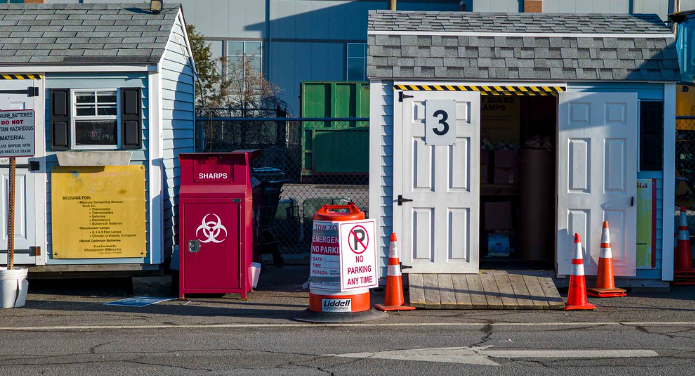
Figure 1: Small buildings with sharp storage container. Source: Winhide/CC BY 2.0 DEED
The materials used in the construction of these buildings vary, including aluminum, plastic, steel, and stainless steel, each offering different benefits. The specifications of hazmat storage buildings are diverse, with dimensions such as height, depth, or length, and width or diameter being key factors. Features like double walls are often included for increased pressure or containment requirements and may incorporate air handling systems with vents. Insulated buildings are used for storing perishable goods such as food or blood, while heavy-duty buildings are designed for extreme conditions. Outdoor suitable buildings are made to withstand various weather conditions, and temperature-controlled storage is crucial for maintaining a consistent internal temperature regardless of external temperature fluctuations. These buildings serve a wide range of purposes, from storing chemicals, trash, and recycling materials to containing fuel or oil.
https://www.youtube.com/watch?v=ztde4C-yq48
Video: Storing hazardous materials safely. Source: Vector Solutions
Configurations
There are various configurations of hazmat storage buildings, so it is important to understand their specific designs, advantages, disadvantages, and typical applications. Each type is tailored to meet distinct requirements for safely handling hazardous materials. The choice is largely dependent on the specific material, volume requirements, and logistical considerations of the operation.
Cylinders
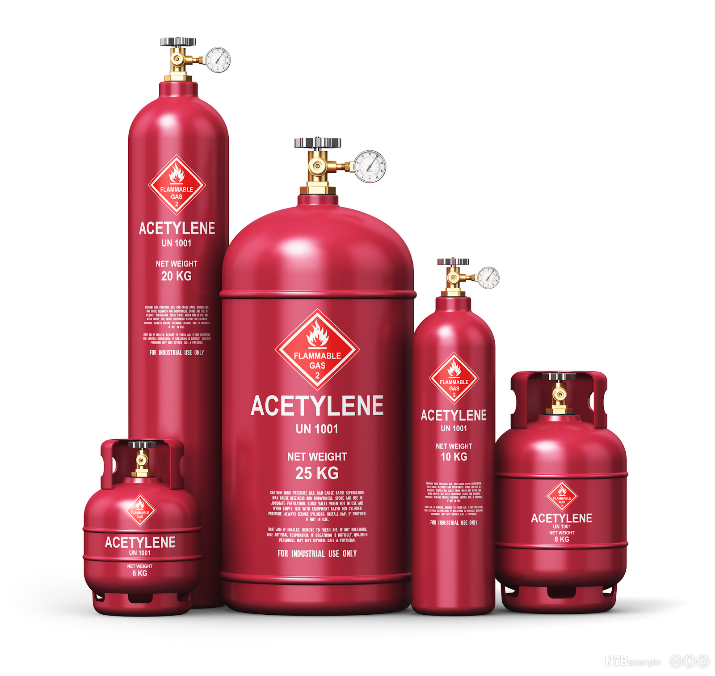
Figure 2: Acetylene cylinder storage computer-rendered images. Source: ndla
Cylinders are primarily used for storing and transporting gases. These structures are designed to be compact and efficient, offering a high degree of safety due to their robust construction. However, their size is often limited, making them unsuitable for large quantities of gas or diverse materials. Commonly used in industrial and medical settings, cylinders are ideal for gases like oxygen, nitrogen, and acetylene, appreciated for their portability and ease of handling.
Garages
Hazmat storage garages are often large, enclosed spaces with ample entryways, designed to store large equipment and vehicles potentially contaminated with hazardous materials. Their size allows for the storage of significant quantities of hazardous materials or large machinery, providing excellent protection. The drawback is their large footprint, requiring more space and potentially higher costs, making them less ideal for smaller storage needs. These garages are typically utilized in the industrial and manufacturing sectors.
ISO Containers
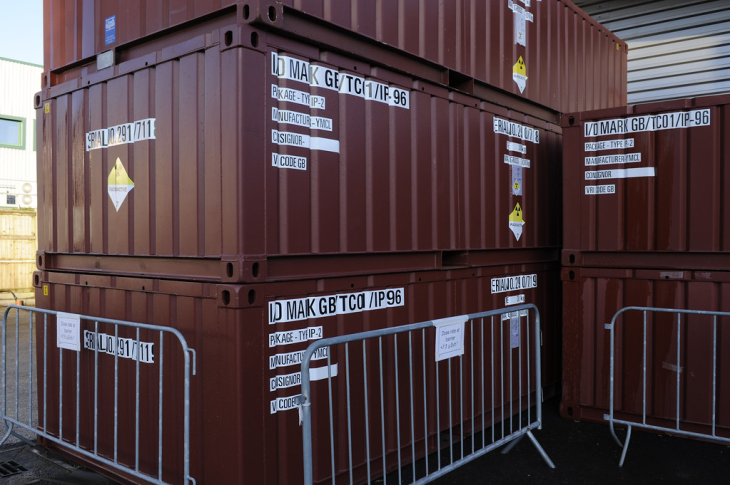
Figure 3. Half ISO container. Source: IAEA Imagebank/CC BY-SA 2.0 DEED
ISO containers, standardized for global use, offer a uniform solution for the transportation of hazardous materials. Their standardization ensures compatibility with various shipping methods, enhancing their versatility. However, they have limited customization options and may not be suitable for materials that require specific storage conditions. They are predominantly used for the long-distance transport of hazardous materials by rail, truck, or ship, valued for their durability and transportability.
Portable Storage Buildings
Portable hazmat storage buildings provide a flexible and mobile solution. These units can be easily relocated, making them suitable for temporary or changing sites, often equipped with safety features like spill containment. While ideal for mobile or temporary needs, their smaller size may not be appropriate for large-scale storage. They are frequently employed in sectors like construction, mining, and environmental cleanup, where temporary and secure storage is essential.
Temperature-Controlled Storage Buildings
Temperature-controlled storage buildings are essential for materials sensitive to temperature fluctuations. These buildings maintain a consistent internal temperature, crucial for storing perishable goods, certain chemicals, and pharmaceutical products.
Vault Storage Buildings
Vault storage buildings are designed for highly hazardous materials needing enhanced security and containment. They are typically constructed with reinforced walls and advanced safety features to prevent leaks, spills, or unauthorized access.
Materials
The selection of materials for constructing hazmat storage buildings is an important aspect of their design, influencing their durability, safety, and suitability for various types of hazardous materials. Each material offers specific advantages and potential limitations, making the choice dependent on the specific needs of the hazardous material to be stored, the environmental conditions, and the required longevity and security of the storage solution.
Aluminum
Aluminum is a lightweight yet strong material commonly used to construct hazmat storage buildings. Its primary advantage lies in its resistance to corrosion, making it ideal for storing certain chemicals and for use in corrosive environments. Additionally, aluminum's lightweight nature facilitates easier transportation and installation of portable storage units. However, it may not be as robust as heavier materials like steel, which can be a limitation for certain high-risk or heavy-duty storage requirements.
Plastic
Plastic, known for its versatility and cost-effectiveness, is another material often employed in hazmat storage solutions. It is beneficial for containers and buildings that require chemical resistance and lightweight properties. Plastic buildings are often used for temporary or less demanding storage needs due to their lower cost and ease of manufacturing. The downside is that plastic may not provide the same level of durability and security as metal alternatives, particularly in extreme environmental conditions.
Steel
Steel is popular for hazmat storage buildings due to its strength and durability. It is well-suited for heavy-duty applications and environments with extreme conditions. Steel structures can withstand significant wear and tear, offering long-term reliability. However, steel can be susceptible to corrosion if not properly treated or maintained, and its heavier weight makes it less suitable for portable or temporary storage structures.
Stainless Steel
Stainless steel combines the durability of steel with enhanced corrosion resistance, making it an excellent choice for harsh environments and for storing corrosive materials. While generally more expensive than regular steel, stainless steel's longevity and low maintenance requirements often justify the higher initial cost. It is especially preferred in industries where hygiene and corrosion resistance are paramount, such as in the food and pharmaceutical industries.
Industrial Applications
Hazmat storage buildings are indispensable across a wide range of industries, each with specific requirements for handling hazardous materials. In each of these industries, hazmat storage buildings are tailored to meet specific regulatory requirements, safety standards, and environmental conditions, underlining their importance in maintaining safety and compliance in the handling of hazardous materials.
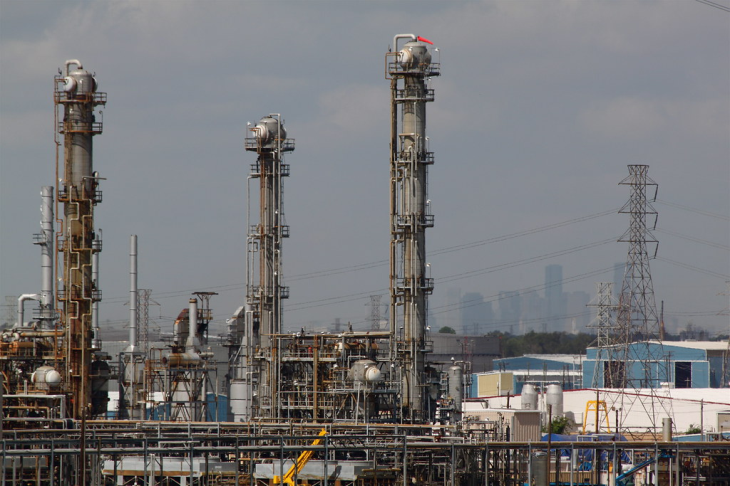
Figure 4: Chemical manufacturing plant. Source: Roy Luck/CC BY 2.0 DEED
Industrial and Manufacturing
In the industrial and manufacturing sectors, hazmat storage buildings are crucial for storing raw materials, chemicals, and by-products that may be hazardous. These industries often require robust and durable storage solutions like steel or stainless steel buildings to handle heavy-duty usage and withstand harsh industrial environments. The ability to store large quantities of materials safely is essential to prevent workplace accidents and environmental contamination.
Medical and Pharmaceutical
The medical and pharmaceutical industries use hazmat storage buildings for the safekeeping of various chemicals, drugs, and medical wastes that could be hazardous. In these industries, hygiene and contamination prevention are paramount, often necessitating the use of stainless steel or plastic structures for their corrosion resistance and ease of cleaning. Temperature-controlled and insulated storage units are also common to preserve the integrity of sensitive materials.
Agriculture and Food Processing
Agricultural and food processing industries utilize hazmat storage buildings for pesticides, fertilizers, and other chemicals essential in farming operations. The storage solutions in these industries must prevent contamination of food products and ensure safety for consumers. Buildings with temperature control and ventilation are often required, with materials like aluminum and plastic being popular choices for their corrosion resistance and lightweight properties.
Construction and Mining
The construction and mining industries often use portable hazmat storage buildings to store paints, solvents, fuels, and other chemicals on-site. These industries benefit from the mobility and flexibility of portable storage units, allowing for easy relocation as project sites change. Durable materials like steel are commonly used to withstand the rigors of these demanding environments.
Environmental and Waste Management
In environmental and waste management, hazmat storage buildings play a vital role in containing hazardous wastes and recycling materials. These industries require secure and leak-proof storage solutions to prevent environmental contamination. Heavy-duty materials like steel and stainless steel are often chosen for their strength and durability, ensuring the safe containment of hazardous waste.
History
The concept of hazmat storage buildings emerged with the Industrial Revolution, as the production and use of hazardous materials increased. Initially, the storage of these materials was rudimentary, but by the early 20th century, the need for safe storage practices became evident due to the heightened awareness of environmental and health risks.
Post-World War II, the chemical industry's expansion led to a surge in hazardous materials, prompting the development of stricter safety regulations and more sophisticated storage solutions. This era saw significant advancements in storage building materials and technologies, including the introduction of durable materials like stainless steel and improvements in insulation and ventilation systems.
In recent decades, the integration of technology has further advanced hazmat storage buildings, incorporating features like temperature control and automated monitoring systems. Today, these buildings are crucial in various industries, reflecting a continuous evolution driven by safety, regulatory compliance, and environmental protection.