
Marking Material Temperature Indicating Coatings and Materials
Last Updated: April 1, 2025
Description
Marking Material Temperature Indicating Coatings and Materials are specialized products designed to visually indicate temperature changes on surfaces. These materials include inks, crayons, films, labels, markers, and pens that change color or appearance at specific temperatures. They are used to create markings or patterns that provide a visual indication of temperature thresholds being reached.
Working Principle
These temperature indicating materials work by undergoing a physical or chemical change when exposed to certain temperatures. For example, color-changing inks may contain thermochromic liquid crystals or leuco dyes that alter their color when a specific temperature is reached. Crayons or pencils make marks that become glossy or change color at designated temperatures. Films and labels may use chemical reactions or liquid crystal indicators to register temperature changes. These materials are useful because they provide a quick and easy way to monitor temperature changes, ensuring that equipment and processes remain within safe operating limits.
Applications
Temperature indicating coatings and materials are used across various industries for specific applications. In the automotive industry, they monitor engine and valve operations for warranty protection. In electronics, they measure surface temperatures on printed circuit boards (PCBs). The food and beverage industry uses them for quality control of equipment used in food preparation. They are also employed in machine tools, maintenance, medical, defense, and semiconductor industries to monitor wear and friction, optimize processing temperatures, and ensure safety and efficiency in operations.
Advantages over other Temperature Indicating Coatings and Materials
One advantage of these materials is their versatility in form, including inks, crayons, films, and markers, allowing for application on various surfaces and in different environments. They provide immediate visual feedback, which can be more intuitive and quicker to interpret than digital readouts. Additionally, they can be more cost-effective for certain applications where high precision is not required.
Limitations
A significant limitation of these materials is their susceptibility to environmental factors such as extreme temperatures, UV light, and strong solvents, which can rapidly deteriorate their life expectancy. This can affect their reliability and accuracy over time, especially in harsh conditions.
Considerations
When selecting temperature indicating coatings and materials, it is important to consider initial costs, which can vary depending on the type and complexity of the material. Operating expenses may include the need for frequent replacement if the materials are exposed to harsh conditions that degrade their performance. Durability and accuracy are also critical factors, as these materials must withstand the specific environmental conditions of their application while providing reliable temperature indications. Maintenance costs should be considered, particularly in environments where frequent monitoring and replacement are necessary to ensure continued accuracy and effectiveness.
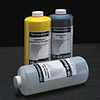
from Videojet Technologies, Inc.
Videojet inks and fluids are designed, tested and manufactured together, to function together at optimum performance levels, no matter what your application or production environment. [See More]
- Type: Ink; Marking Material
- Industry: Electronics (optional feature); Food / Beverage (optional feature); Medical (optional feature); Mil-Spec (optional feature); OEM / Industrial (optional feature); Semiconductor (optional feature)
- Features: Heat Resistant (optional feature)