Preventing Kinking in Tubing
Featured Product from NewAge Performance Products | NAPP
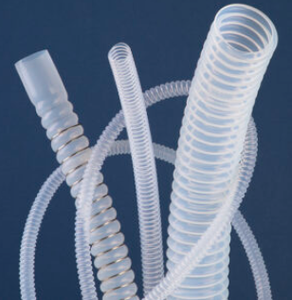
No Kinks, All success
Kinking within tubing has implications across diverse applications, spanning medical, industrial, aerospace, and food and beverage sectors. Excessive bending or folding of tubing can trigger partial or complete blockages, impeding fluid flow and disrupting critical processes.
In industrial settings, kinks within fluid transfer lines can trigger equipment malfunctions, hazardous spills, or production interruptions. Aerospace and aviation sectors face the risk of compromised flight safety and control due to kinks in hydraulic or fuel lines. Additionally, kinking can reduce flow rates, cause pressure drops, and increase stress on tubing materials, potentially leading to premature wear, leaks, and compromised product quality. Therefore, prioritizing kink prevention is pivotal to ensure the dependability, efficiency, and safety of various applications.
Kinking characteristics vary by material and construction, underscoring the importance of testing the chosen material for the specific application before implementation. While tips and techniques offer valuable insights, partnering with a reputable vendor can be even more beneficial.