Build Better Diagnostics—Save Your Seat
Featured Product from Portescap

Laboratory instruments are under constant pressure to deliver faster results, greater precision, and higher throughput—without increasing footprint or complexity. Meeting these demands requires more than optimized components; it demands a smarter, system-level approach to design.
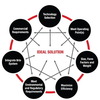
At the heart of every diagnostic instrument are motion systems responsible for sample input, movement, analysis, and output. When these systems are designed in isolation, performance is often limited—leading to inefficiencies, extended development cycles, and increased risk. A system-level design approach aligns hardware, software, user interfaces, and motion systems as a coordinated whole, ensuring each axis works in harmony to maximize speed, accuracy, and reliability within increasingly compact architectures.
By moving beyond component-level thinking and integrating motion early in development, engineers can reduce complexity, boost throughput, and streamline clinical workflows. Regal Rexnord’s broad portfolio and engineering expertise enable this shift, helping teams improve instrument performance, accelerate development timelines, and proactively mitigate risks.
In this session, discover how a system-level approach turns motion into a competitive advantage—accelerating innovation and the path to regulatory approval.