Window Operators Information
Window operators are devices that can be mechanically or electrically operated that are used to open and close windows. Window operators help open windows to increase ventilation or provide an exit in emergency situations. Keeping window operators in good condition ensures the safety of occupants by providing another means of escape. There are many styles of windows and specialized window operators are available for different styles.
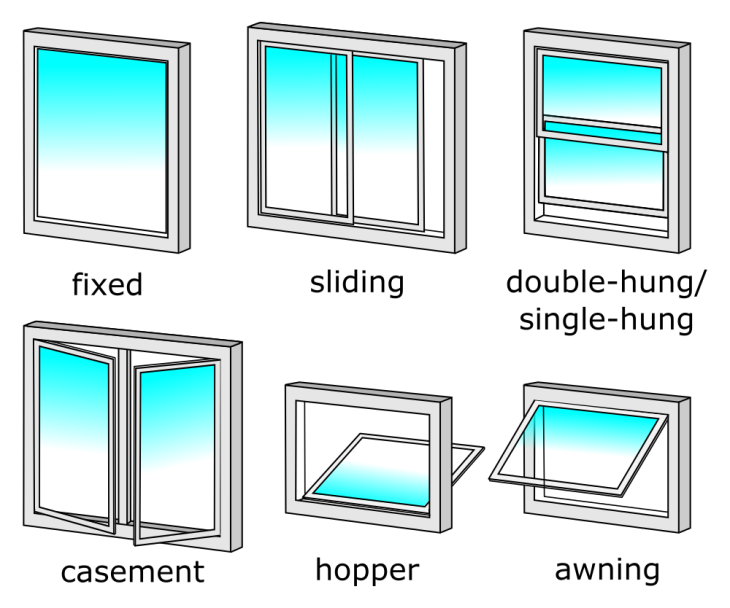
Figure 1: There are many styles of windows and specialized window operators are available for different styles. Source: Stilfehler/CC BY-SA 4.0
Components
Window operators can be installed on a variety of types of windows. Awning and casement windows typically are referred to as types of cranking windows and are popular and widespread window choices. These windows are commonly opened using a cranking mechanism.
Casement windows are hinged on either side and open outwards from the left or right side. In comparison, awning windows are hinged at the top and open outwards. Casement windows are typically made in configurations where the height exceeds the width while awning windows are for openings where the width exceeds the size. Mechanical casement and awning window operators typically have three components, an operator, operator cover, and a handle.
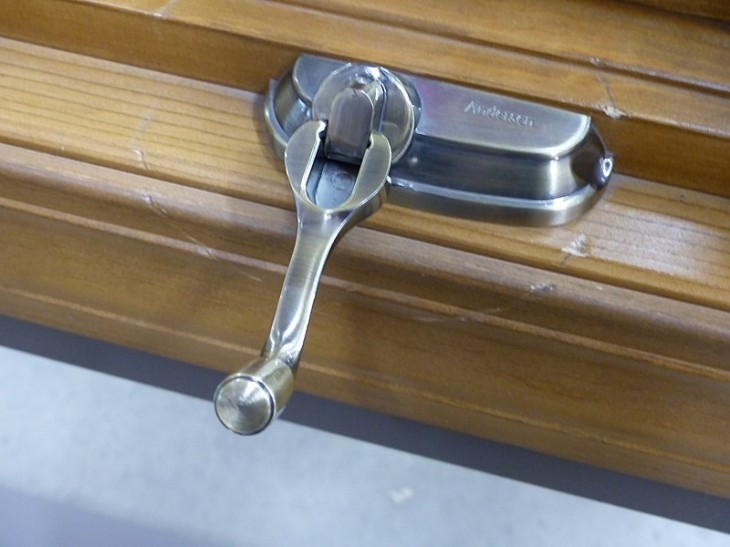
Figure 2: Window crank operator. Source: Stilfehler/CC BY-SA 4.0
The hand crank connects to a moveable arm that is connected to the sash, which is the part of the window that moves. When the handle is turned, the crank activates the operator arm, which causes the sash to swing outward or inward in some designs. A friction hinge or stay will hold the window in place when it is opened.
Video: Windows 101: Window Anatomy.
Source: MI Windows and Doors
Operator
The operator is the part of the window operator that opens and closes the window sash. The operator's arm is visible when the sash is in an open position. The type of window affects the design of the operator. Casement and awning windows will use different styles of operators. Mechanical operators often consist of a series of gears that translate the cranking motion to pushing the window sash open.
Casement Operators
Casement window operators are used to open and close casement style windows. Many operators are designed to help in pulling the sash snugly against weatherstripping or include a detach feature that disengages the operator from the sash for window removal.
Push Bar
Telescoping push bar window operators are designed for use in residential applications. They are typically used for opening and closing sashes that have fixed screens. They hold open outward projecting windows that are screened from the inside. Push bar window operators are not commonly used in modern window opening systems.
Single Arm
Single-arm operators can be used in many window applications. They are an effective choice for narrow or trapezoid windows that use a butt hinge or round-top window. Heavier and larger windows often benefit from dual-arm window operators to distribute the force of opening the window away from the windowsill.
Dual Arm
A dual-arm window operating system uses two arms to open and close the window. The arm action works in concert when the mechanism is engaged. The sash is pushed open simultaneously while pulling the hinge on the sash side to the open position. Dual arm operators offer smooth operation and distribute force more evenly throughout the window. This benefit is especially useful in large or heavy windows.
Awning Operator
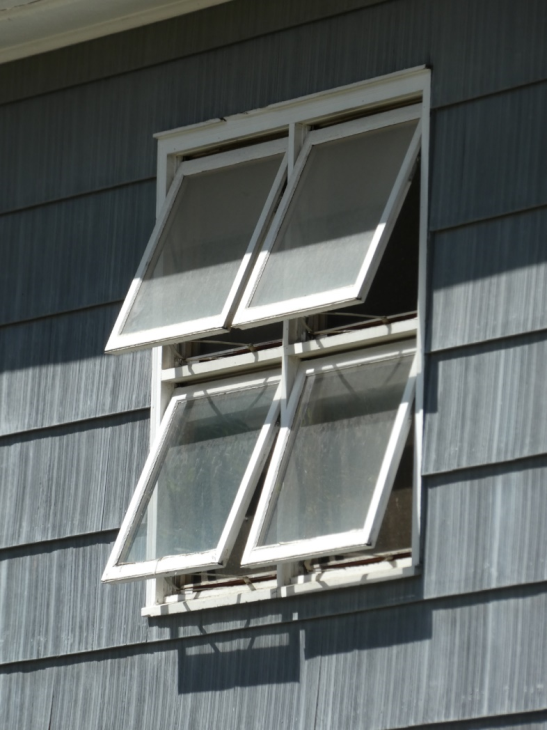
Figure 3: Open awning windows. Source: Stilfehler/CC BY-SA 4.0
Awning operators push the sash outward and can be installed in the center of the window on the bottom side. These types of awning operators often consist of two arms that may cross and slide outward as the window is opened. They can be single or dual-pull models. Torsion bars are available on single-pull awning operators to improve the seal at corners and to deflect the sash.
Awning operators can also be installed on either side of the window and push the sash outward. These can be either left-hand or right-hand awning operators and are designed for either side specifically.
Other Operators
There are many innovative styles of window operators that are suited for specific needs or to address certain concerns. Many innovative window operators move away from the traditional crank-operated design. For example, slide operators open a window by sliding a handle up or down the side of a window. The motion mimics a dimmer switch and reduces the effort of cranking.
Other innovative window operator systems are both crankless and hingeless. Instead, the window slides on two tracks that run on the top and bottom of a window sash. The window is then opened with both the top and the bottom of the window moving in tandem. The advantages of this system are the equal distribution of torque, which reduces the risk of distortion, sagging, and warping.
Sliding Windows
Sliding windows are another option for many window applications. Sliding windows can slide open and closed horizontally while single or double hung windows slide open vertically.
Sliding windows often provide less ventilation than casement or awning windows with crank-operated window openers. Sliding windows are also more difficult to clean and are not as energy efficient.
Slider windows typically only have one window that can slide but dual sliding windows are available. However, with dual sliding windows, the window opening is still limited to one window width. These windows are typically lower maintenance and are built with fewer parts than crank opening windows.
Folding windows slide open as well but fold out of the way so the window opening can be completely open to allow for more ventilation. Accordion, or folding windows, are typically more expensive than other types of sliding windows. They rely on both hinges and sliding tracks to open.
Operator Handle
The operator handle is located on the spline shaft and is rotated to open and close the window sash. For difficult to reach places, an easy-to-open crank handle will help more easily open the window. Long handles can be used with most window crank mechanics. A folding handle can also be used that tucks neatly away when the window is closed.
Contour handles are sleek and have a curved shape. A hand knob can be used as an operator handle as well.
Operator Cover
The cover is located directly under the operator handle and covers the gears of the operator. Many covers are paired directly with the operator though some universal or after market window covers exist.
Tracks, channel guides, guide bars
A window operator track is fastened to the window sash. The operator arms glide on the operator track when opening and closing the window. Tracks are available in a variety of shapes and sizes to accommodate a variety of window openers and window sizes.
Automatic Window Opener
Electronic window opener systems are often used to open and close windows in hard-to-reach places, such as skylights. A motorized actuator is attached to the windowsill and pushes on the window sash to open and close the window. Electrically operated window operators can be programmed to open at specified intervals or to respond to weather conditions. Opening and closing the window on a schedule enables effective ventilation.
Caution should be used when electrically operated window openers are in use as they can generate considerable force to open and close the window. If children or pets can easily reach the window opening, caution should be taken. A screen should be installed to prevent contact with the actuator mechanism and window opening while it is in use.
Electrically operated window openers often use chain drive units to control the opening of the window. These actuators have a chain that extends out of the actuator housing and pushes the window sash open and closed. Large and heavy windows may benefit from dual-chain actuators.
Video: DIY How to install Olide adjustable stroke automatic window opener
Electrically operated window opener. Source: Olide Auto Door
Power Supply
Electronically operated window openers can be wireless or wired devices. They are powered by plugging into a nearby power supply, solar powered, or battery powered. Some battery powdered electronic openers may use rechargeable batteries or they may be battery powered by connecting to an external battery with a trickle charger or with a solar panel, or a combination.
Remote Control
Some electrically operated window operators have remote control functionality. The remote can be a handheld device that is battery-powered. The electric window opener can also be controlled with the push of a button or a switch that is wired or wirelessly connected to the window opener.
Choosing a Window Operator
When choosing a window operator consider the type and size of the window as well as the location. Hard to reach windows often benefit from window operators that help users open the window from a distance. Broken window operators are often replaced with the same style of window operator. Upgrading a window operator requires purchasing accessories needed that work in conjunction with the selected window operator.