Shower Basins, Surrounds, and Stalls Information
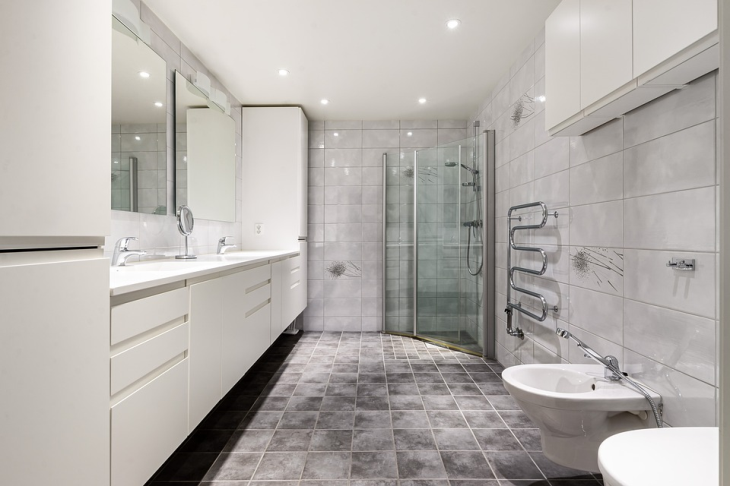
Figure 1: Shower basins, surrounds, and stalls work to keep showers functional without causing structural damage to the building from all of the water. Source: Pixabay
While water is great for keeping clean, when water gets where it is not supposed to, massive damage can occur. Shower basins, surrounds, and stalls work to keep showers functional without causing structural damage to the building from all of the water. Whether doing a bathroom model or installing bathrooms for a new construction project, it is important to know the key aspects of shower basins, surrounds, and stalls.
Theory of Operation
For showers to be effective, all water must ultimately be collected and directed to the drain. Anything that may be exposed to water must be able to withstand continuous water exposure. The surfaces used in showers to direct this flow of water are typically broken into three different parts:
- Shower basin or pan
- Shower surround
- Shower stall
The shower basin or pan is the bottom part of the shower where water is collected and drained away. The shower basin often has added features to increase friction and prevent slips. Shower surrounds are the vertical portion that makes up the walls of a shower. Surrounds are often added to bathtubs to allow for showering with an added curtain. Surrounds must direct the water down into the basin without pooling or other issues.
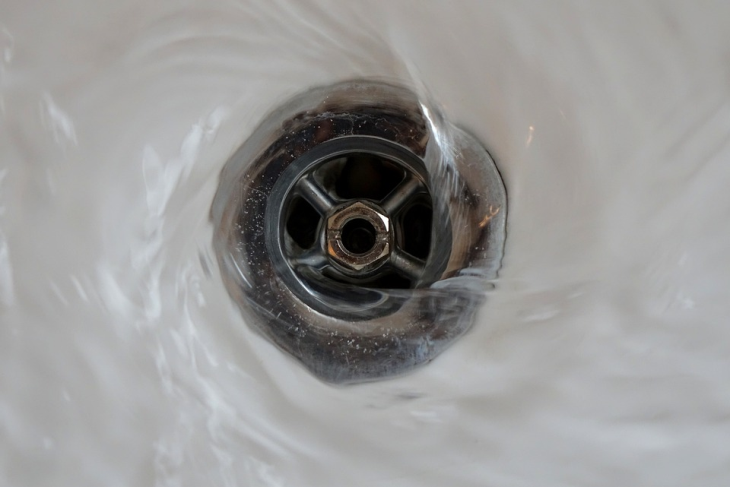
Figure 2: Shower basins, surrounds, and stalls must all be waterproof and easy to clean and maintain. These components can be made from plastic, fiberglass, acrylic, or other suitable materials. Source: Pixabay
Shower stalls are self-contained units, often including the basin, surround, showerhead, and control valves in one unit. Shower stalls are typically prefabricated and can be quickly installed on-site. Shower stalls may also include features like benches or shelving for added functionality.
Shower basins, surrounds, and stalls must all be waterproof and easy to clean and maintain. These components can be made from plastic, fiberglass, acrylic, or other suitable materials. Assembly of all of these components together requires a great deal of caulking and sealing to ensure they stay waterproof.
Specifications
Shower basins, surrounds, and stalls will have common specifications to look out for:
Size
The size of the shower basin, surround, and stall will depend on the available space in the bathroom. Some shower stalls are designed for corner installation and others for alcoves. Some kits, typically the more expensive options, will require the shower surround to be cut or trimmed to size. Trimmed surrounds tend to have a more custom-finished look.
Installation Difficulty
Some surround manufacturers use proprietary systems to make installation easier. Depending on the application, the ease of installation can be an important determining factor.
Material
Shower basins can be made of a variety of materials such as plastic, fiberglass, and acrylic. Shower surrounds can be made of tile, solid surface material, or a variety of other waterproof materials. The material must be easy to clean and resist the formation of mold and mildew.
Required Substrate
Knowing whether the shower surround or stall is stand-alone or requires a substrate is an important design consideration. If a substrate is required, the installation process will take longer and may make the project more expensive.
Drain Location
The location of the drain in the shower basin can vary, with some shower pans having a center drain and others having an offset drain.
Waterproofing
Shower basins and surrounds must be waterproof to prevent leaks and water damage. Some shower stalls come with pre-installed waterproofing membranes while others require additional waterproofing to be installed.
Threshold Height
The threshold height of a shower stall is the height of the lip or step that separates the shower from the rest of the bathroom. This height can vary depending on personal preference and accessibility needs.
Accessibility
Some shower stalls are designed to be wheelchair accessible, with low thresholds and grab bars for added safety.
Style and Design
Shower basins, surround, and stalls come in a variety of styles and designs to match different bathroom decor and personal preferences.
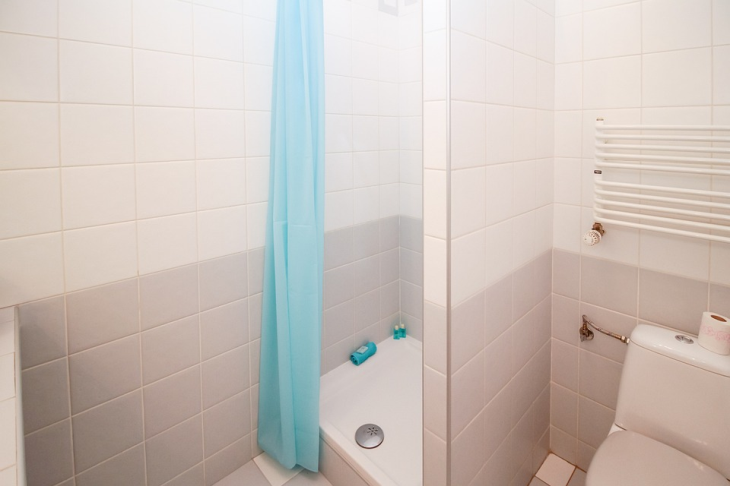
Figure 3: There are several different types of shower basins, surrounds, and stalls, each with their own unique features and benefits. Source: Pixabay
Types
There are several different types of shower basins, surrounds, and stalls, each with their own unique features and benefits. Some of the most common types include:
Prefabricated Shower Stalls
Prefabricated units can be purchased and installed as a single, finished unit. A premanufactured unit will typically include a shower basin, surround, and sometimes a showerhead and control valves. Easy to install, prefabricated shower stalls are often a good option for a bathroom remodel.
Custom Shower Stalls
These are designed to fit specific bathroom spaces and can be made of a variety of materials. They offer a more personalized and often more elegant solution but require more work and cost.
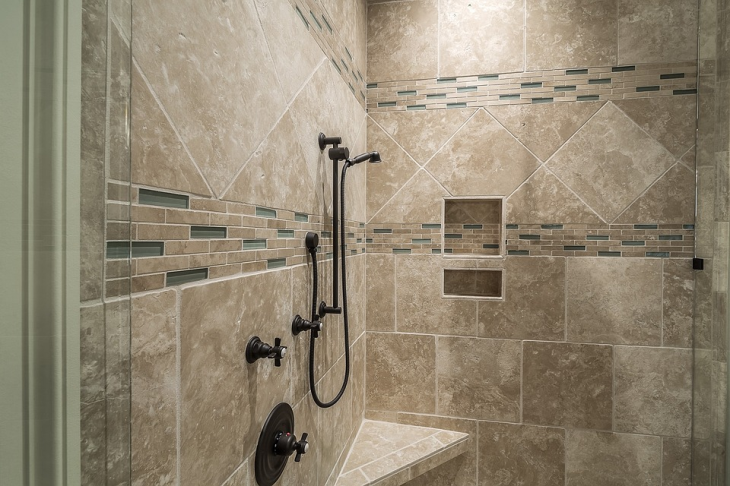
Figure 4: The high-end finish of a tile shower stall is seen in many high-end homes and buildings. Source: Pixabay
Tile Shower Stalls
These are custom-built using tiles for the surround and basin. They offer a wide range of design options but require more work and cost. The high-end finish of a tile shower stall is seen in many high-end homes and buildings.
Steam Shower Stalls
These are shower stalls that include a steam generator for a steam shower experience. They are typically larger than standard shower stalls and require special ventilation to accommodate the steam.
Barrier-free Shower Stalls
These are shower stalls that are designed to be wheelchair accessible with low thresholds, grab bars, and other accessibility features.
It's worth noting that some of these types can be combined or customized as per the requirement. It's important to consider the space availability, design preference, and budget when choosing the type of shower basin, surround, and stall for a bathroom remodel.
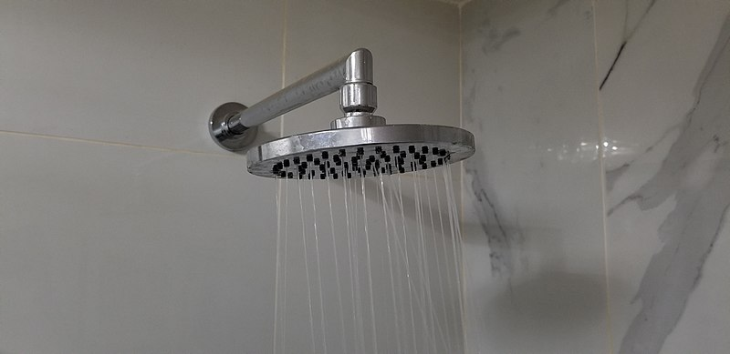
Figure 5: Some of the most common features can be broken into aesthetic features or functional features. Prácticas Intraescolares/CC BY-SA 4.0
Features
Shower basins, surrounds, and stalls can come with a variety of features that enhance the showering experience and make them more convenient to use. Some of the most common features can be broken into aesthetic features or functional features.
Common aesthetic features include:
- Finishes
- Drain location
- Showerhead
- Glass doors
The finishes of hardware used in shower stalls can come in a range of different finishes including chrome, brushed nickel, gold, and oil-rubbed bronze. The drain can be located in different positions, center, or offset.
Some shower stalls come with a built-in showerhead, while others allow for a separate showerhead to be installed. Glass doors are used for easy entry and exit, and to keep the water inside of some shower stalls.
Common functional features include:
- Waterproofing
- Shelving
- Seating
- Grab bars
- Control valves
- Steam generator
- Ceiling-mounted rain showerhead
Some shower stalls come with pre-installed waterproofing membranes or other waterproofing features to prevent leaks and water damage. Built-in shelving for storing shampoo, soap, and other shower essentials can be found in some shower stalls. Some shower stalls include built-in seating, such as a bench or seat, for added comfort or built-in grab bars for added safety and stability during showering.
Some shower stalls come with built-in control valves for adjusting water flow and temperature while others require that these are installed afterward. For an incredible shower experience, some stalls come with a steam generator. In addition to steam, ceiling-mounted rain showerheads provide a spa-like experience.
Manufacture
Shower basins, surrounds, and stalls are made using a variety of materials and techniques, depending on the type of shower and the manufacturer. Some common methods include:
Prefabricated Shower Stalls
These shower stalls are typically made in a factory using materials such as plastic, fiberglass, or acrylic. They are molded or formed into the desired shape and size and then finished with a waterproof coating. Some manufacturers use a vacuum-forming process to make these shower stalls.
Custom Shower Stalls
Known for their high-end finished look, these shower stalls are made to fit specific bathroom spaces. Many different materials can be used including tile, stone, or other solid surfaces. The installation process includes building a frame, laying a waterproofing membrane and then installing the chosen material.
One-piece Shower Stalls
These shower stalls are typically made of a single piece of material such as acrylic or fiberglass. They are molded or formed into the desired shape and size, and then finished with a waterproof coating.
Steam Shower Stalls
These shower stalls are typically larger than standard shower stalls and are made using materials that can withstand the high humidity and heat generated by the steam generator. They often include a built-in steam generator, as well as ventilation to remove the steam from the shower area.
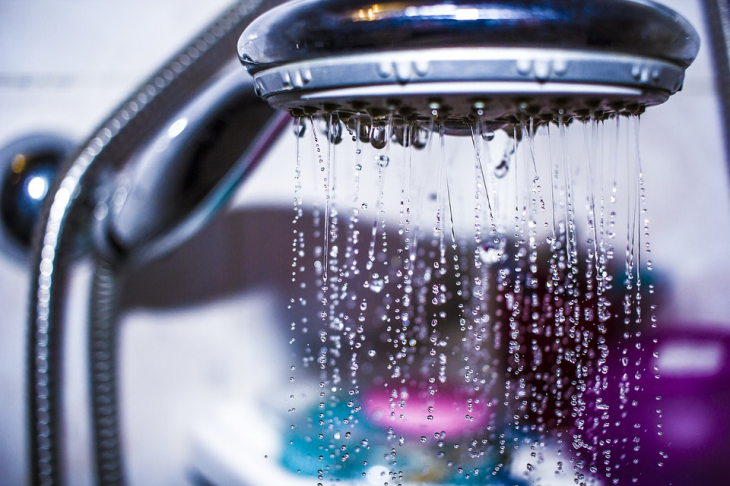
Figure 6: Shower basins, surround, and stalls are primarily used in bathrooms for personal hygiene and cleaning Source: Pixabay
Applications
Shower basins, surround, and stalls are primarily used in bathrooms for personal hygiene and cleaning. They can be found in residential homes, hotels, and other buildings where bathrooms are present.
In residential homes, shower basins, surround, and stalls are often used in bathrooms as a replacement for bathtubs or as an addition to existing bathtubs. They are popular in bathrooms with limited space, as they take up less space than a bathtub and can be more versatile in terms of design.
In hotels and other commercial buildings, shower basins, surround, and stalls are often used in guest bathrooms, as well as in public restrooms. They are popular in these settings for their durability and ease of maintenance. Handicap accessible bathrooms with features such as low thresholds, grab bars and a wide variety of other accessibility features are also commonly found in ADA-accessible rooms to make them accessible to people with mobility issues. Additionally, shower stalls and surrounds can be used in outdoor settings such as swimming pool areas and outdoor showers.
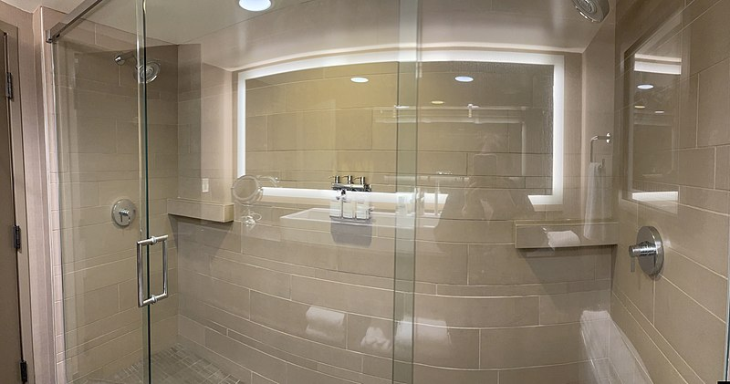
Figure 7: The standards that apply to shower basins, surrounds, and stalls vary depending on the location and the type of shower. Source: Sarah Stierch/CC BY 4.0
Standards
The standards that apply to shower basins, surrounds, and stalls vary depending on the location and the type of shower. In the United States, shower products must comply with American National Standards Institute (ANSI) and the American Society of Sanitary Engineering (ASSE) standards. These standards cover issues such as water flow rate, temperature control, and accessibility for individuals with disabilities. The following standards commonly impact shower basins, surrounds, and stalls:
- ANSI/ICC A117.1-2009
- ASSE 1016-2017
- ASSE 1017-2009
- ASSE 1070-2015
Additionally, building codes may have specific requirements for the installation of shower components in commercial and residential settings. It is always best to check with local building codes and consult with a professional before installing a shower.