
Board Mount Power Supplies Information
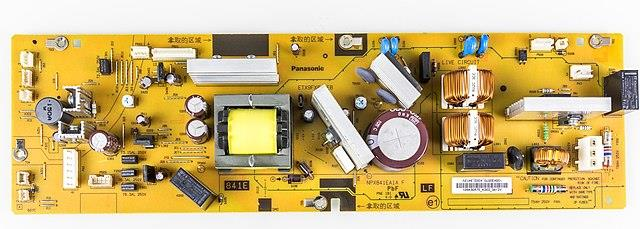
Figure 1: Xerox WorkCentre 6605 power supply board. Source: Raimond Spekking/CC BY-SA 4.0
Board mount power supplies are essential for providing the right type of electrical power for a given application. Designed to mount directly to a printed circuit board (PCB), board mount power supplies are capable of converting many different types of input power into the required power for a load. Board mount power supplies also help to smooth and filter the power being delivered, minimizing the effects of variations on input power.
Theory of Operation
Electronic devices typically operate on well-regulated, low-voltage DC power. Generating this source of power is often the responsibility of board mount power supplies. Board mount power supplies convert higher-voltage AC or DC power into lower-voltage DC power that can be used to power electronic devices on a printed circuit board (PCB). The key operational steps for board mount power supplies are as follows:
Power Input
Every board mount power supply receives some source of input power whether AC or DC. If the power source is AC, the board mount power supply rectifies the input to produce a pulsating DC voltage. The rectifier consists of diodes or a bridge rectifier to keep the voltage at a constant polarity.

Figure 2: A diode bridge. Source: Public domain
Filtering and Regulation
After being rectified, the DC voltage still has a pulsation that must be smoothed and filtered to provide a more stable source of power. The DC voltage is smoothed using capacitors and then is supplied to a transistor bank for regulation. The filtered DC voltage is regulated to a constant voltage level by controlling the duty cycle of a switching transistor using a feedback mechanism. The transistors close for longer when the output voltage drops and open more frequently when the output voltage is above the desired value.
Isolation
If the power supply needs to isolate the input from the output, a transformer is used to provide galvanic isolation between the input and output. While not a requirement for every application, isolation can be a big benefit of board mount power supplies.
Output
The regulated DC voltage must be smoothed and filtered to remove any ripple caused by the transistors. Capacitors are used to smooth any variations and provide clean output power. The power supply may also include various protection circuits to protect against overvoltage, overcurrent, and short circuits. Finally, the output power is ready to be delivered to the load through the output connection
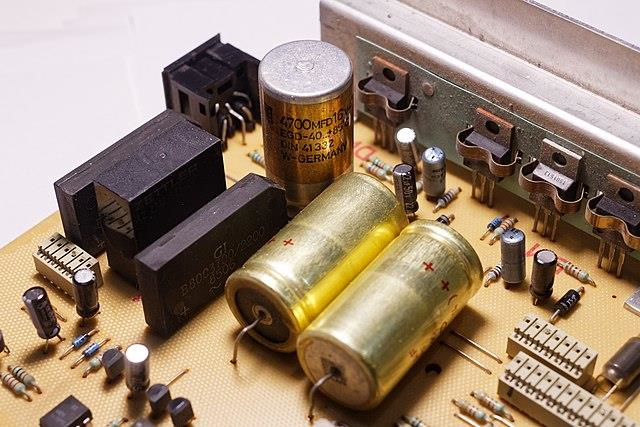
Figure 3: Power supply components of the Revox B215 cassette deck. Source: Public domain
Specifications
Board mount power supplies can have a wide range of specifications depending on the application requirements. Some common specifications include:
Input Voltage Range
The range of AC or DC input voltage that the power supply can accept. This can be a fixed voltage or a range of voltages. Input voltage is especially important because when not used correctly it can result in damage to the power supply.
Output Voltage and Current
The DC voltage level that the power supply produces at its output. This can be a fixed voltage or adjustable within a certain range. As important as the output voltage, the maximum current that the power supply can deliver at its output is critical. This is usually specified in amps (A) or milliamps (mA).
Efficiency
Conversion of power from one form to another can cause inefficiencies to creep in. The efficiency of the power supply is the ratio of the output power to the input power, expressed as a percentage. Higher efficiency means less energy is wasted as heat.
Ripple and Noise
While capacitors do a decent job of minimizing noise in the output power, they are not perfect. The amount of AC voltage or noise present on the DC output. This is usually specified as a percentage or as a maximum voltage level.
Overvoltage and Overcurrent Protection
The power supply's ability to protect against excessive voltage at the output is essential for protecting downstream electronics. This is usually specified as a maximum voltage level. The power supply's ability to protect against excessive current at the output is critical as well. This is usually specified as a maximum current level.
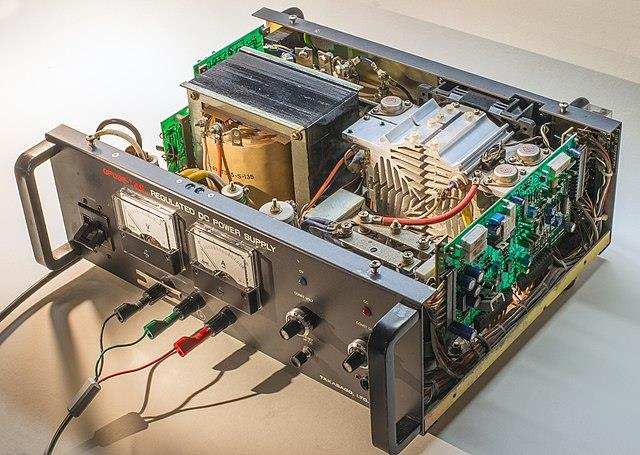
Figure 4: Power supply by Takasago Ltd., Japan 0-35 volt, 15 ampere DC. Source: Hannes Grobe/CC BY-SA 4.0
Types
There are several types of board mount power supplies available, each with their own characteristics and applications. Here are some common types:
AC/DC Switching Power Supplies
These power supplies convert AC input voltage to regulated DC output voltage using a high-frequency switching circuit. They are widely used in electronic devices that require a compact size and high efficiency.
DC/DC Converters
These power supplies convert a DC input voltage to a different regulated DC output voltage. They can be used to step up or step down the input voltage and are commonly used to power devices that require different voltage levels than the input voltage.
Linear Regulated Power Supplies
These power supplies regulate the output voltage by adjusting the voltage drop across a linear voltage regulator. They are simple and low-cost but less efficient than switching power supplies.
Isolated Power Supplies
These power supplies provide electrical isolation between the input and output, which is important for safety and noise reduction in some applications. They usually include a transformer to provide the isolation.
When it comes to power supplies, many different options are available. The choice of power supply depends on the application requirements such as the required voltage and current levels, efficiency, size, and cost.
Features
Board mount power supplies can come with various features depending on the specific application needs. Some common features of board mount power supplies include:
High Efficiency
Switching power supplies are generally more efficient than linear power supplies, and some board mount power supplies can achieve efficiencies of 90% or higher.
Low Profile
Many board mount power supplies are designed to have a low profile, allowing them to fit in small spaces on a PCB.
Thermal Management
Some board mount power supplies have thermal management features such as over-temperature protection and thermal shutdown to prevent damage due to overheating. This is an especially important feature when the power supply will be used in more extreme applications.
Remote On/Off Control
Some board mount power supplies may have remote on/off control features, which can be useful for controlling the power supply from a distance or integrating it into a larger system.
Adjustable Output Voltage
Some power supplies can provide an adjustable output voltage, allowing them to be used in a wider range of applications. The adjustability can also allow the voltage to be tailored specifically to the application. It is important to note that the adjustability can also be a downside as the voltage must be carefully adjusted for each application.
Wide Input Voltage Range
Some power supplies can accept a wide range of input voltages, making them more versatile and allowing them to be used in different countries with different power standards.
The specific features of a board mount power supply will depend on the manufacturer and the intended application. It is important to carefully consider the features needed for a particular application and select a power supply that meets those requirements.
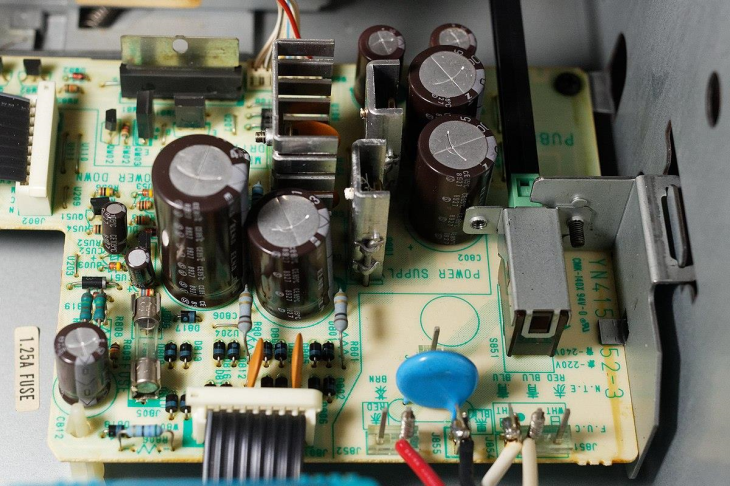
Figure 5: Marantz SD-60 cassette deck — power supply and motor control board. Source: Public domain
Manufacture
The manufacturing process of board mount power supplies typically involves several steps, which may vary depending on the specific type of power supplies being produced. Here are the general steps involved in manufacturing board mount power supplies:
- PCB layout
- Assembly
- Testing
The PCB layout is designed to accommodate the components and wiring needed to build the power supply. The layout is optimized to minimize noise and interference, as well as to provide adequate thermal management. The components are then mounted on the PCB using automated pick-and-place machines or by manual assembly. The PCB is then soldered using a reflow oven, wave soldering machine, or hand soldering depending on the scale of production.
The board mount power supplies must undergo several testing procedures to verify functionality and ensure that they meet the design specifications. These may include input/output voltage testing, thermal testing, efficiency testing, and noise and ripple testing. After passing testing, the power supplies are ready to be packaged and shipped. Overall, the manufacturing process of Board mount power supplies requires precise attention to detail, quality control, and adherence to industry standards and regulations.
Applications
Board mount power supplies are used in a wide variety of applications that require a reliable and efficient source of DC power. Here are some common applications of Board mount power supplies:
Industrial Automation
Power supplies are used in a wide range of industrial automation applications, such as programmable logic controllers (PLCs), motor drives, and sensors.
Telecommunications
Board mount power supplies are used in telecommunications equipment, such as routers, switches, and modems.
Medical Devices
Board mount power supplies are used in medical devices, such as monitoring equipment, imaging systems, and infusion pumps.
Computer Hardware
Board mount power supplies are used in various computer hardware applications, including servers, desktop computers, and laptops.
Consumer Electronics
Board mount power supplies are used in a variety of consumer electronics applications, such as smartphones, tablets, and gaming consoles.
Overall, board mount power supplies play a crucial role in powering electronic devices and systems across a broad range of industries and applications.
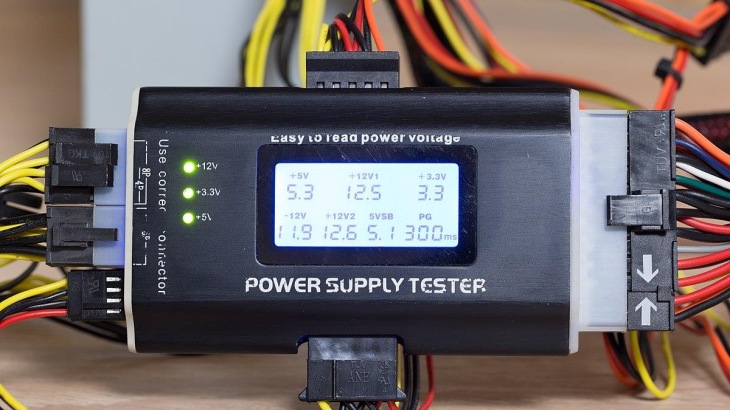
Figure 6: Tobias ToMar Maier/CC BY-SA 3.0
Standards
Board mount power supplies must comply with various standards to ensure their safety, efficiency, and performance. Here are some of the most common standards that apply to board mount power supplies:
- UL 60950-1
- UL 508
- IEC 61558-1
- CISPR 22
- CISPR 24
- ROHS
Because of the wide use of power supplies in many different applications, standards are critical to ensuring interoperability. Some of these standards apply specifically to information technology equipment (ITE) safety. Board mount power supplies intended for use in IT equipment must comply with this standard to ensure their safety.
Other standards focus specifically on the requirements for use in industrial control equipment. Board mount power supplies intended for use in industrial control equipment must comply with this standard to ensure their safety. This is the international standard for safety of power transformers, power supplies, and similar devices. Regardless of the standard, they all focus on ensuring power supplies are safe and perform as expected for a given application.