
Cell Density Meters Information
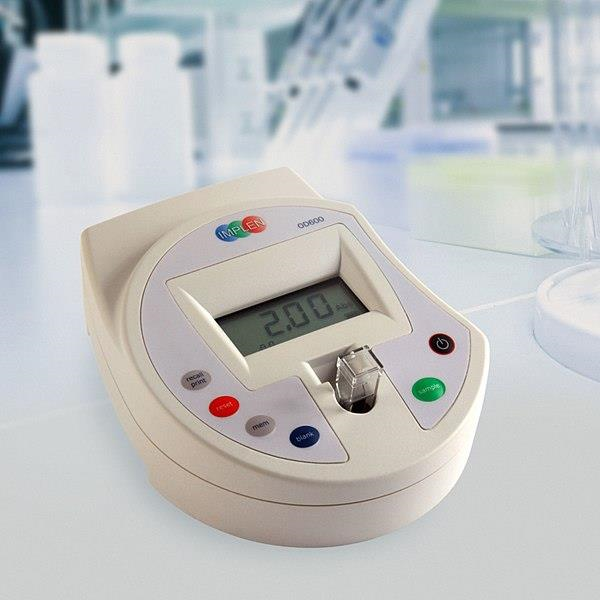
Figure 1: Spectrophotometer for od600 and cell density measurements. Source: Schufti2011/CC BY-SA 4.0 DEED
Determining the concentration of cells in a sample is incredibly important for many different applications. While seemingly simple, the ability to measure concentrations accurately and precisely is paramount for achieving high yields and proper quality in many different biological and pharmaceutical processes. Cell density meters make these measurements quickly and efficiently and are used in labs and production sites all around the world.
Theory of Operation
Cell density meters are pivotal in scientific disciplines such as microbiology, biotechnology, and molecular biology. These sophisticated instruments are designed to accurately measure the density of cells within a sample. Their functionality hinges on the optical characteristics inherent to cell suspensions, providing a non-invasive and efficient method to assess cell concentration.
The core mechanism of a cell density meter involves the measurement of the turbidity, or the degree of cloudiness, in a cell suspension. This is achieved by directing a controlled beam of light through the sample. As the light traverses the suspension, it encounters cells that absorb and scatter the light in various directions. The extent of this light absorption and scattering is a direct indicator of the cell concentration within the suspension. The more cells present, the more light is scattered, leading to a decrease in the intensity of light that passes through the sample.
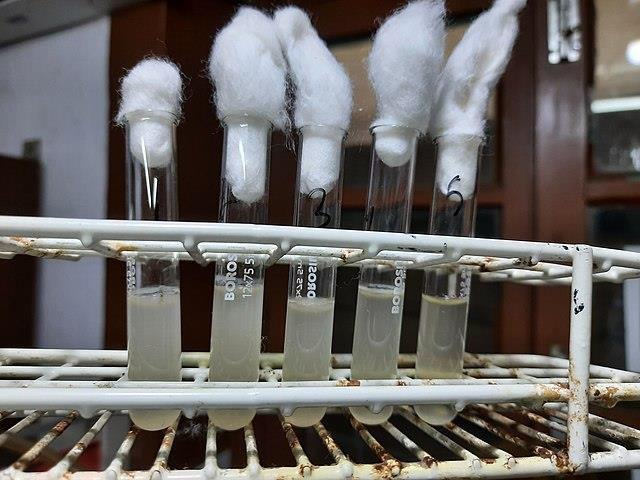
Figure 2: Bacteria turbidity in Peptone water. Source: Ajay Kumar Chaurasiya/CC BY-SA 4.0 DEED
Post the light's passage through the cell suspension, it reaches a crucial component of the meter, the photodetector. This element is responsible for measuring the intensity of the transmitted light. In simple terms, the reduction in light intensity measured by the photodetector correlates to an increase in cell concentration. To ensure accuracy and reliability, cell density meters are calibrated with standards that have known turbidity levels. This calibration allows for the conversion of raw photodetector readings into meaningful metrics, such as optical density (OD) units. OD units are a conventional and widely accepted measure of cell concentration in various biological studies.
When it comes to modern scientific instruments, cell density meters have evolved to incorporate advanced microprocessors. These microprocessors automate the process of data interpretation, transforming photodetector readings into immediate and accurate cell density measurements. They are capable of not only displaying these measurements in real-time but also storing the data for subsequent analysis. This automation and data processing capability significantly enhance the efficiency and usability of cell density meters in laboratory settings.
Specifications
The specifications of cell density meters can vary depending on the model and manufacturer, but there are several common specifications that are particularly relevant for their performance and application. Understanding these specifications is crucial for selecting the right instrument for specific laboratory needs. Here's a breakdown of the key specifications:
Measurement Range
This refers to the range of cell concentrations the meter can accurately measure, typically expressed in OD units. A wider range allows for more versatile applications, from low to high cell densities.
Wavelength of Light
The wavelength of the light source used in the meter is crucial as it affects the sensitivity and accuracy of measurements. Common wavelengths are in the visible light spectrum, often around 600 nm, which is suitable for most cell types.
Resolution
Resolution indicates the smallest change in cell density that the meter can detect. Higher resolution allows for more precise measurements, which is important for detailed analysis and research but can increase cost as well.
Accuracy and Precision
These are measures of the meter's performance. Accuracy refers to how close the measurements are to the actual cell density, while precision refers to the consistency of repeated measurements. Both high accuracy and precision are essential for reliable data.
Sample Volume
This specification represents the amount of sample required for a single measurement. Meters requiring lower sample volumes are beneficial when dealing with limited or precious samples.
Path Length
The path length is the distance the light travels through the sample. Some cell density meters offer adjustable path lengths to accommodate different cell densities and sample volumes.
Calibration and Standards
Information on how the meter is calibrated, and what standards are used, is important. Some meters come with pre-calibrated settings, while others may require user calibration with specific standards.
Data Output and Connectivity
This includes how the data is displayed, stored, and transferred. Modern meters often feature digital displays, data storage capabilities, and options for data export to computers or networks via USB, Bluetooth, or Wi-Fi.
Environmental Conditions
Specifications about the operating temperature range, humidity conditions, and other environmental factors that could affect the meter's performance.
When choosing a cell density meter, it's essential to consider these specifications in the context of the intended application to ensure the selection of an appropriate and efficient instrument.
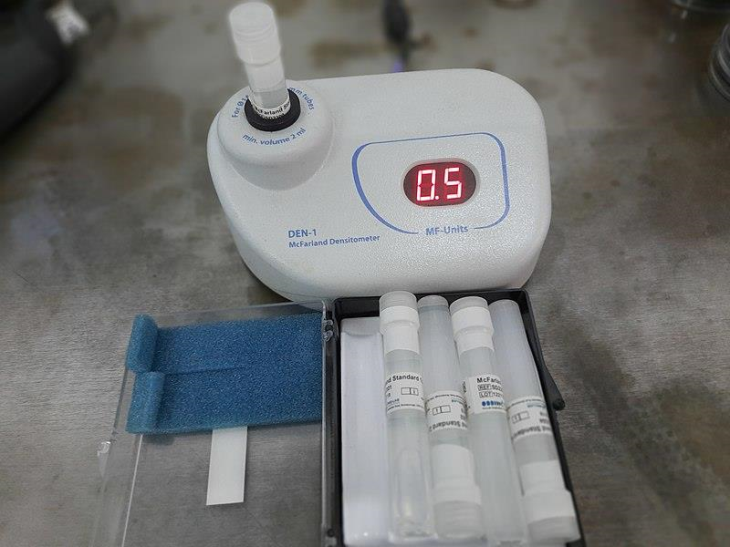
Figure 3: McFarland Densitometer. Source: Ajay Kumar Chaurasiya/CC BY-SA 4.0 DEED
Types
While cell density meters all accomplish the same function, they can use different methods. Some common types of cell density meters include:
Spectrophotometric Cell Density Meters
Spectrophotometric cell density meters are widely used in laboratories for measuring the optical density of cell cultures. They operate by directing a beam of light at a specific wavelength, usually around 600 nm, through a cell suspension and measuring the amount of light absorbed by the cells. This method is particularly effective for quantifying the growth of bacterial cultures and other microorganisms. These meters offer high accuracy and can handle a wide range of cell concentrations, making them a standard tool in microbiological and biochemical research.
Turbidimetric Cell Density Meters
Turbidimetric meters measure the turbidity, or cloudiness, of a cell suspension, which correlates with cell concentration. They work by assessing the reduction in light transmission through the sample due to scattering by the cells. This type of meter is commonly used in microbiology labs for rapid assessments of bacterial growth. It offers ease of use and quick measurements, making it ideal for routine checks and monitoring of cultures.
Fluorometric Cell Density Meters
Fluorometric meters utilize the principle of fluorescence to measure cell density. Cells tagged with fluorescent dyes emit light upon excitation, and the intensity of this fluorescence is measured to determine cell concentration. These meters are particularly useful in applications where cells are labeled with fluorescent markers, such as in certain biotechnological and biomedical research. Their high sensitivity and specificity make them excellent for detecting and measuring low concentrations of cells.
Nephelometric Cell Density Meters
Nephelometric meters focus on measuring light scattering by the particles in a sample. The intensity of the scattered light is an indicator of cell concentration. This method is effective for measuring cell growth in bioreactors and is particularly useful for dilute cell suspensions. Nephelometry is a valuable technique in industrial fermentation processes and for applications requiring the measurement of low to moderate cell concentrations.
Automated Cell Counters and Density Meters
Automated cell counters and density meters are advanced instruments that use image analysis and other automated technologies for cell counting and density measurement. These devices are ideal for high-throughput environments, such as in pharmaceutical industries and large research labs, where processing large numbers of samples efficiently is crucial. They offer a high degree of automation, ensuring both accuracy and efficiency, particularly in busy or industrial settings where manual measurements would be time-consuming and impractical.
Each of these cell density meters has distinct characteristics and functionalities, catering to various needs and applications in scientific research and industry. The choice of a specific type depends on the experimental requirements, nature of the samples, and the desired level of precision and convenience.
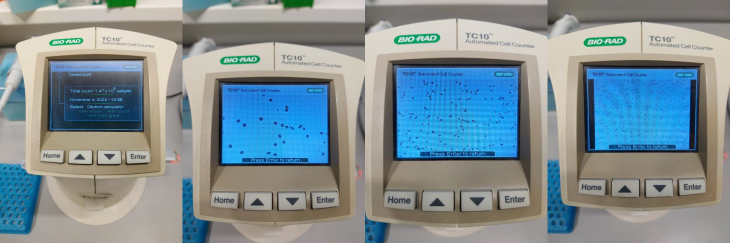
Figure 4: Cell counting using Biorad TC-10 automated cell counter. Source: Mattias Kaspar Krõlov/CC BY-SA 4.0 DEED
Features
The features of cell density meters can vary widely depending on the type and model. Each feature is designed to meet specific needs in scientific research and industrial applications. Here’s a closer look at some of the distinctive features across different types of cell density meters:
Wavelength Selection
Many spectrophotometric cell density meters allow for the selection of different wavelengths, accommodating a variety of cell types and experimental requirements. Advanced models may offer a broad range of wavelengths, enhancing their versatility. Different samples respond better to different wavelengths making this feature particularly useful for certain cell types.
Automated Sample Handling
Some high-end automated cell counters and density meters incorporate automated sample handling, which can include auto-focusing, auto-sampling, and even auto-cleaning. This automation significantly reduces manual intervention and enhances reproducibility and efficiency, particularly in high-throughput settings.
Temperature Control and Compensation
Temperature can significantly affect cell density measurements. Some meters come with built-in temperature control systems or temperature compensation features, ensuring accurate measurements under varying environmental conditions.
Display and User Interface
The user interface and display are crucial for ease of use. Many meters feature intuitive touch-screen interfaces, clear digital displays, and user-friendly software, making them accessible even for users with minimal training.
Durability and Portability
Portable and handheld meters are designed to be durable and often have a rugged build to withstand field conditions. Their compact size and battery-powered operation make them ideal for on-site measurements.
Customization and Scalability
High-end meters may offer customization options to cater to specific experimental setups or industrial processes. This can include scalable configurations to handle larger sample throughputs or integration with other laboratory equipment.
Advanced Detection Technologies
Fluorometric and nephelometric meters, in particular, may employ advanced detection technologies, including highly sensitive detectors and sophisticated optics, to ensure accuracy and sensitivity in challenging measurement scenarios.
The features of cell density meters are continually evolving with technological advancements, catering to the growing and diverse needs of scientific research and industrial applications. When selecting a cell density meter, it's important to consider these features in the context of the specific requirements of the intended application.
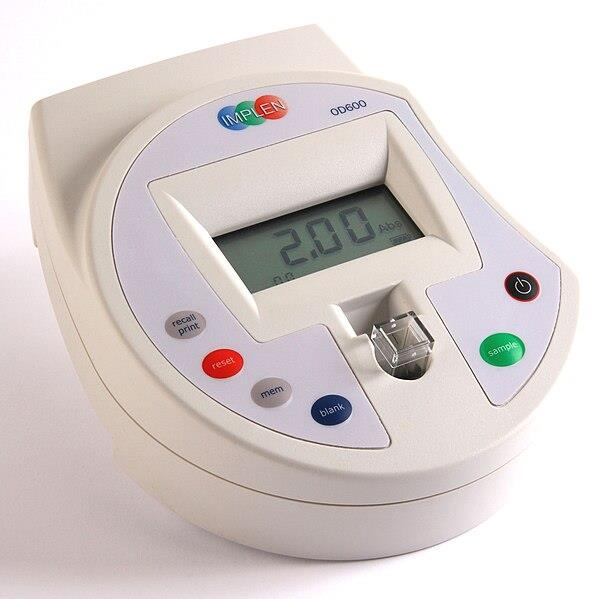
Figure 5: Diluphotometer OD600 for measuring cell density bacterial yeast growth Bradford assays. Source: Implen/CC BY-SA 4.0 DEED
Manufacture
The manufacturing process of cell density meters involves several intricate steps and adheres to strict quality standards, ensuring that the final product is precise, reliable, and suitable for use in various scientific and industrial settings. The major manufacturing steps include:
- Design and engineering
- Component selection
- Circuitry and firmware
- Optical system assembly
- Sample chamber construction
- Calibration
The process begins with the design and engineering phase, where scientists and engineers develop the specifications for the meter. This includes deciding on the type (e.g., spectrophotometric, turbidimetric), the range of wavelengths, resolution, accuracy, and additional features like connectivity or automated sample handling.
Key components such as light sources (LEDs, lasers), photodetectors, optical components (lenses, mirrors), electronic circuits, and microprocessors are then selected based on the design specifications. The choice of materials and components is crucial for the meter's performance and longevity.
The electronic circuitry is designed and assembled next. This includes integrating the microprocessor and programming it for data acquisition, processing, and user interface control. Firmware is then developed to manage the meter's functions, data analysis, and connectivity options.
The optical system, which is the heart of the cell density meter, is assembled next. This involves carefully aligning the light source, sample chamber, and photodetector, ensuring that the light path is correctly established. The optical components must be precisely aligned to ensure accurate and consistent measurements.
The sample chamber is designed to hold the cell suspension. It needs to be constructed of materials that are non-reactive, durable, and transparent to the specific wavelengths of light used. In some designs, the chamber can be temperature-controlled or equipped to handle various sample volumes.
Once the optical system and electronic components are assembled, they are integrated into a single unit. This is then housed in a casing, which is typically designed for durability, ease of use, and, in the case of portable meters, lightweight and compact.
The assembled meters are then calibrated and rigorously tested to ensure they meet the required specifications for accuracy, precision, and range. Calibration is often done using standards with known optical properties.
The manufacturing process of cell density meters is a combination of precision engineering, optical science, electronics, and software development. Manufacturers must adhere to high standards of quality and precision, as these instruments are used in critical research and industrial applications where accuracy is paramount.
Applications
Cell density meters are versatile instruments used in various scientific and industrial fields. Their primary function is to measure the concentration of cells in a sample, and this capability finds numerous applications:
Microbiology
In microbiology, cell density meters are crucial for monitoring the growth of bacterial, yeast, and other microbial cultures. They help in determining the optimal time for harvesting cells, antibiotic sensitivity testing, and evaluating the effects of various growth conditions.
Biotechnology
In biotechnology, these meters are used in the development and optimization of fermentation processes. They help in monitoring cell growth in bioreactors, ensuring that conditions are ideal for the production of biotechnological products like enzymes, vaccines, and biofuels.
Clinical Research and Diagnostics
Cell density meters assist in various clinical research applications, such as studying the growth patterns of cancer cells, evaluating the effects of drugs on cell proliferation, and in certain diagnostic tests that require cell counting.
Pharmaceutical Industry
In pharmaceutical manufacturing, particularly in the production of biopharmaceuticals, cell density meters are used to ensure the consistency and quality of products derived from cell cultures. Cell density meters are used routinely in production.
Food and Beverage Industry
They are employed in the food and beverage industry to monitor microbial growth in food products and beverages. This is crucial for quality control, ensuring the safety and shelf-life of products.
Water Quality Testing
Cell density meters are used in environmental monitoring, particularly in testing water quality. They help in detecting and quantifying microbial contamination in water sources.
Brewing Industry
In brewing, cell density meters help in monitoring yeast concentration and activity during fermentation, which is critical for achieving the desired flavor and alcohol content in beers and other alcoholic beverages.
Agriculture and Plant Sciences
In plant sciences, they are used to measure the density of microalgae and other plant cells in research related to bioenergy, food supplements, and environmental science.
The applications of cell density meters are diverse and span across several industries and research areas. Their ability to provide quick, accurate, and non-invasive measurements of cell concentration makes them indispensable in any field that works with cell cultures.
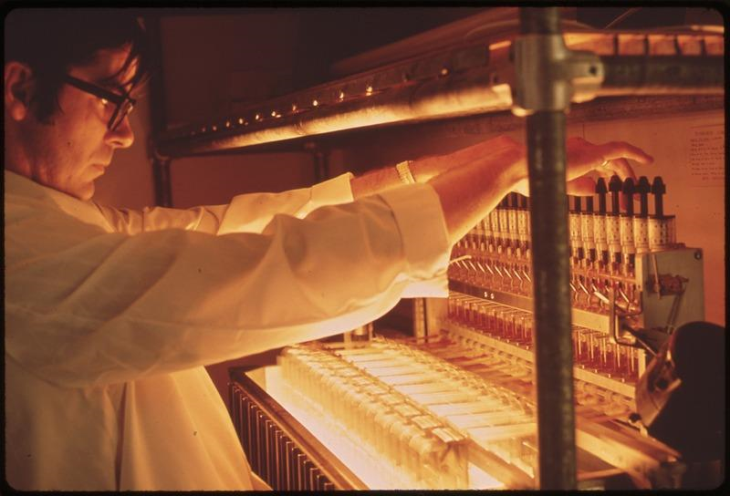
Figure 6: A respirometer. Source: Bill Shrout/Public domain
Standards
Cell density meters are subject to various standards, particularly in terms of calibration, accuracy, and usage. These standards ensure that the measurements obtained from these instruments are reliable and consistent, which is crucial in scientific research, clinical diagnostics, and various industrial applications. While there may not be universally specific standards for cell density meters as there are for some other laboratory equipment, several general standards and practices are commonly adhered to:
NIST Traceability
In the United States, the National Institute of Standards and Technology (NIST) provides traceability standards. Instruments like cell density meters are often calibrated using standards traceable to NIST, ensuring that the measurements are accurate and can be traced back to national standards.
Good Laboratory Practices (GLP)
GLP standards, though not specific to any one type of equipment, are crucial in laboratories for ensuring the quality and integrity of data. These practices cover aspects like calibration, maintenance, and operation of equipment, including cell density meters.
Pharmacopeia Standards
In the pharmaceutical industry, standards set by bodies like the United States Pharmacopeia (USP) and the European Pharmacopeia (EP) are relevant. These standards might dictate specific requirements for instruments used in pharmaceutical research and manufacturing, including accuracy and precision benchmarks.
CLSI Guidelines
The Clinical and Laboratory Standards Institute (CLSI) provides guidelines that may be applicable for cell density meters used in clinical settings. These guidelines would cover aspects of calibration, validation, and quality control.
Manufacturer Standards
Manufacturers of cell density meters also set their own standards and specifications for the performance, calibration, and maintenance of their instruments. These standards are often aligned with or exceed the international and national standards to ensure quality and compliance.
It's important to note that while there may not be universal standards specifically tailored for cell density meters, the general principles of accuracy, precision, calibration, and traceability are universally applied across different regions and industries. Laboratories and industrial settings typically adhere to these standards to ensure the reliability and validity of their measurements and research outcomes.


