
Extractor Arms Information
Humans take more than 20,000 breaths per day and keeping that air clean and free from impurities is critical to keeping people healthy. While clean air is essential, many manufacturing processes end up decreasing air quality in the area where the process occurs.
Whether welding in a machine shop or vehicle exhaust in a mechanic shop, extractor arms help to collect pollution and contaminants close to their sources and exhaust them quickly out of the building. With extractor arms, the air quality people breathe stays safe and healthy even when processes may be occurring that would otherwise contaminate the air.
Theory of Operation
Extractor arms, also known as capture arms and fume arms, involve the removal of hazardous fumes, vapors, and particulates generated during industrial processes. These fumes can be harmful to human health and the environment, so it is important to extract and properly dispose of them.
In order to exhaust these fumes effectively, extractor arms must be able to be positioned close to the source of the contaminants. Fume extraction arms typically consist of a flexible hose or a jointed arm connected to a fan or blower that generates a vacuum. The flexible hose or jointed arm is designed to be highly maneuverable and can be positioned close to the source of the fumes. When the fan is powered on, the vacuum draws the fumes away from the source and into a filter system where the contaminants are captured and contained. Alternatively, the air can be directly exhausted out of the building instead of being filtered and recirculated.
The fan or blower is typically powered by an electric motor and is controlled by a switch or a variable speed controller. For extractor arms to work properly, the velocity of the air must be fast enough at the point of capture to ensure proper extraction. The farther away the extractor arm is placed from the source, the greater the volume of air that must be extracted to maintain healthy air quality.
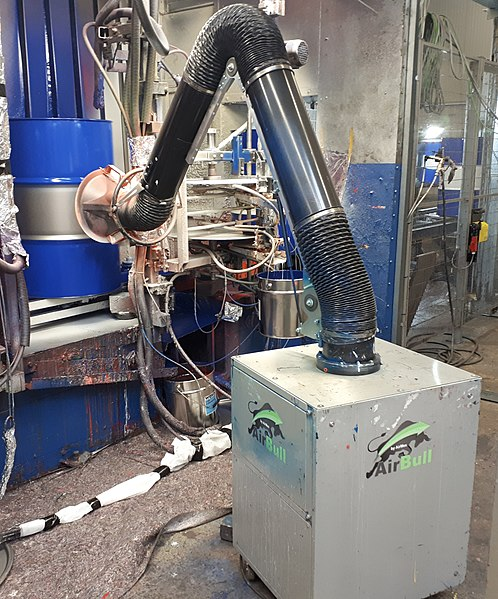
Figure 1: AirBull-P 3500 extraction system. Source: AirMex GmbH/CC BY-SA 4.0
Specifications
Fume capture arms come in many different varieties. Knowing which specs to look for makes it easier to compare different models. Some of the most common specifications are:
Flow Rate
This refers to the amount of air that the fume extraction arm can move per unit of time, typically measured in cubic feet per minute (CFM). The flow rate and the size of the extractor arm will also determine the capture velocity or the speed of air entering the extractor arm. High capture velocities will be more likely to effectively capture fumes.
Duct Diameter
The duct diameter plays an important role in the ability for the fume extractor to perform as designed. Larger duct diameters can move larger volumes of air more efficiently but require bigger fans and large volumes of air movement to keep the capture velocity at an adequately high level.
Vacuum
This parameter refers to the level of suction or negative pressure generated by the fume extraction arm, typically measured in inches of water gauge (inches H2O). The larger the value, the better the ability of the arm to extract fumes.
Reach
The application for the extractor arm is a critical parameter to keep in mind. Reach refers to the maximum distance that the fume extraction arm can extend from its base to reach the source of the fumes. Sometimes it makes more sense and can be more economical to add in multiple extractor arms with smaller reach than adding in one with greater reach.
Flexibility
This refers to the ability of the fume extraction arm to bend and maneuver to reach the source of the fumes, even in tight spaces. Some extractor arms have much less mobility than others.
Filter Efficiency
When the captured air will be recirculated, it is critical to ensure that the filter can remove the contaminants that the capture arm will be extracting. Filter efficiency refers to the ability of the filter system to capture and contain the fumes and particulates, typically measured in terms of the minimum particle size that can be captured and the percentage of particles removed.
Durability
Fume arms are typically in hazardous or dangerous environments where industrial processes are occurring. The extractor arm should be expected to take whatever abuse it might be subject to. Durability refers to the materials and construction of the fume extraction arm, which should be able to withstand the harsh conditions and frequent movement involved in the extraction process.
Noise Level
Noise level becomes incredibly important when the capture arm will operate for long periods of time. If operators will be working near the capture arm, the noise level must be acceptable.
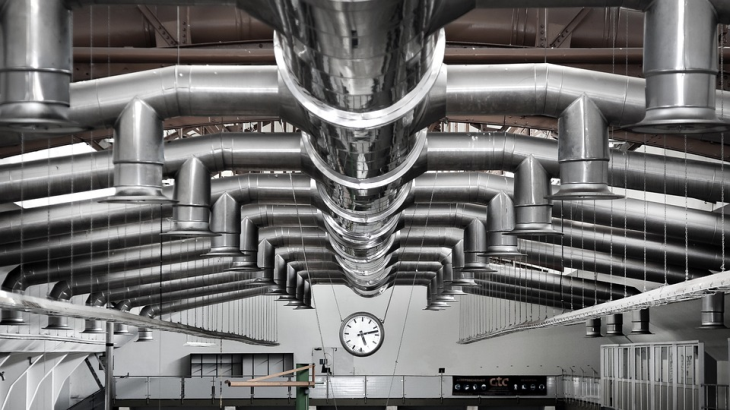
Figure 2: Extractor arm network. Source: Pixabay
Types
Because of the many different applications that need fume extraction, extractor arms come in many different varieties. Here are some of the more common options:
Ducted Arms
These are fume extraction arms that are connected to a duct system, which carries the fumes to a central filtration unit. They are typically used in large-scale operations where multiple sources of fumes need to be captured and filtered.
Portable Arms
Portable fume extraction arms are mounted on a portable base or cart, allowing them to be easily moved from one location to another. They are ideal for smaller operations where mobility is important.
Jointed Arms
These are fume extraction arms that consist of multiple sections or joints that can be adjusted to reach the source of the fumes. These are fume extraction arms that consist of a flexible hose or tubing that can bend and maneuver to reach the source of the fumes. They are ideal for applications where a large reach is required, but the fumes need to be captured from different angles.
Ceiling-mounted Arms
These are fume extraction arms that are mounted on the ceiling, typically above a workstation or process. They are ideal for applications where floor space is limited and the fumes need to be captured from above.
Features
Not all extractor arms are alike and many have features that make them better for certain applications than others. Popular features to look for include:
Safety Features
Arguably the most important, safety features refers to features included in the design of the fume extraction arm, such as explosion-proof motors and filters, or automatic shut-off mechanisms in case of a clogged filter.
Joint System
Whether the extractor arm uses an internal support or external joint system is important to consider. External joints keep the interior of the arm free for air movement and are typically more efficient. Extractor arms with an internal support mechanism can be noisier, harder to clean, and more difficult to maintain.
Lights
Some extractor arms have lights built into the end with the extraction hood. These lights can be very beneficial for the operator, especially when working on intricate tasks.
Ease of Maintenance
Users must ensure that the arm is easy to clean and maintain, with readily accessible filters and other components.
Compatibility
Users must ensure that the arm is compatible with other equipment, such as ducts or fans, and that it can be easily integrated into an existing ventilation system.
Manufacture
Fume capture arms are typically made using a combination of plastic and metal materials, depending on the specific requirements of the application. The materials used in the arm are selected based on the specific requirements of the application, including flow rate, reach, durability, and filter efficiency.
Extractor arms are typically built in sections, either from plastics, like PVC or polypropylene, or metals, like aluminum or stainless steel. The sections can then be assembled and connected to form the final product. Along with the extractor arm sections, the hose, filters, motors, and other components are assembled together. Due to certain applications, the arm may then need to be tested to ensure that it meets the required specifications and performance standards.
Applications
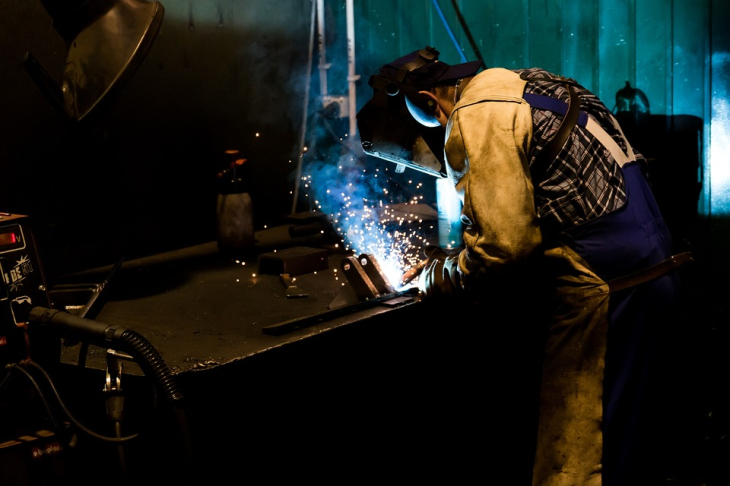
Figure 3: Fume extraction arms are used in welding and metal fabrication to capture fumes generated by welding, soldering, and other metalworking processes. Source: Pixabay
Wherever sources of pollutants exist, extractor arms can be used to maintain the healthy air quality in that area. Applications for extractor arms range from industrial processes and factories to medical laboratories. Common applications include:
Welding and Metal Fabrication
Fume extraction arms are used in welding and metal fabrication to capture fumes generated by welding, soldering, and other metalworking processes. Without fume extraction, the air the operator breathes can quickly become toxic and lead to problems like metalosis.
Pharmaceutical and Chemical Manufacturing
Pharmaceutical and chemical manufacturing tend to generate a great deal of fumes. Extractor arms capture fumes generated by mixing and handling chemicals and solvents and keep technicians and operators safe.
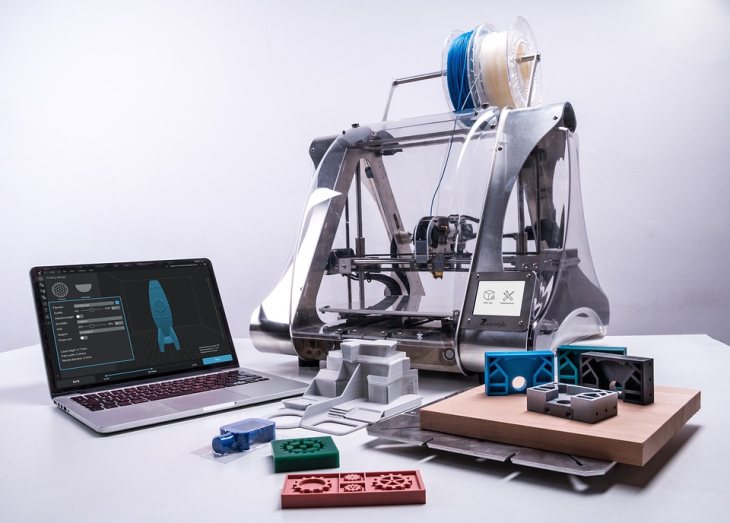
Figure 4: Whether traditional or 3D printing, fume extractors are necessary to keep the air clean. Source: Pixabay
Printing
Whether traditional or 3D printing, fume extractors are necessary to keep the air clean. The processing of graphics and text and the deposition of plastic can lead to particulates in the air that must be extracted.
Laboratory and Research Facilities
Fume extraction arms are used in laboratory and research facilities to capture fumes generated by experiments, research, and analysis. Keeping lab technicians safe means getting potential fumes away from them as quickly as possible.
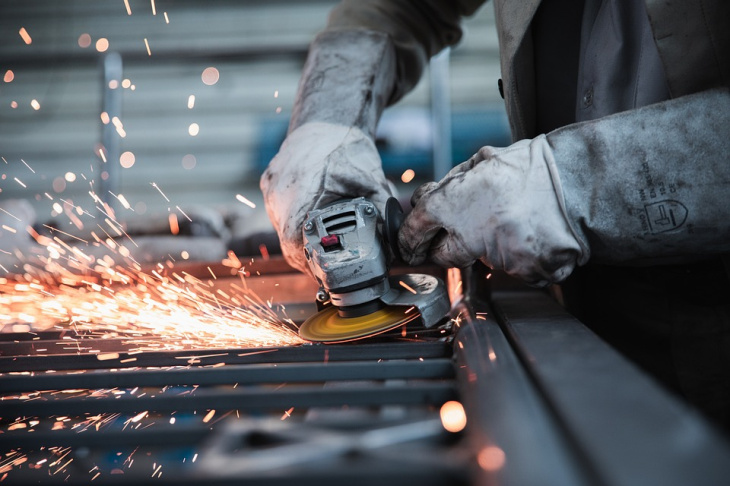
Figure 5: Extractor arms are used to capture fumes generated by sanding, painting, and other processes. Source: Pixabay
Automotive and Woodworking
Extractor arms are used in automotive and woodworking applications to capture fumes generated by sanding, painting, and other processes.
Paint and Coating Operations
Fume extraction arms are used in paint and coating operations to capture fumes generated by spray painting and other coating processes. Painting can often involve dangerous solvents, requiring specialized extractor arms for safe removal.
Unfortunately, many applications can decrease the air quality that workers breathe. Extractor arms can fit into many of these applications and provide an easy solution to maintaining healthy air quality while these activities are performed.
Standards
There are several international and industry-specific standards that relate to fume extraction arms, including:
- Occupational Safety and Health Administration (OSHA)
- National Fire Protection Association (NFPA)
- American Welding Society (AWS)
- National Institute for Occupational Safety and Health (NIOSH)
OSHA provides guidelines and regulations to ensure that workplace environments are safe and free from hazards. For many chemicals and compounds, OSHA provides guidelines on safe exposure limits. These limits allow employers to determine whether or not their processes are safe.
While OSHA focuses on the quality of the air that workers breathe, the NFPA provides guidelines and standards related to fire protection and safety in the workplace. This includes standards related to fume extraction arms, such as the requirements for ventilation systems and the protection of workers from fire hazards.
In addition to these general standards, there are also industry-specific standards that apply to fume extraction arms. These standards typically have tougher requirements due to their application-specific nature. Some popular industry standards associated with extractor arms include those from the AWS for welding applications or the NIOSH for chemical handling applications.
It is important for manufacturers and users of fume extraction arms to comply with these standards to ensure that their products are safe, efficient, and effective in capturing and removing fumes.