Welding Tables and Fixturing Tables Information
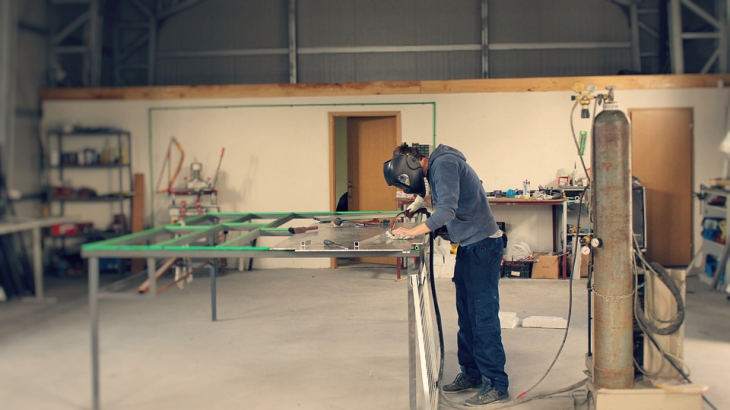
Figure 1: Welding tables provide a strong surface designed to make welding and fixturing easier. Source: Pixabay
Welders often need a work surface to hold and properly align components for welding. Welding tables provide a strong surface designed to make welding and fixturing easier. Often constructed of steel, welding and fixturing tables make it easy to clamp workpieces in place while keeping components at a comfortable height for the welder.
Theory of Operation
Welding tables and fixturing tables are specialized tables designed to make welding and assembling workpieces easier and more efficient. Designed to provide a flat, stable surface for welding and other metalworking tasks, welding tables provide a secure and adjustable means of clamping workpieces in place during fabrication.
Welding and fixturing tables live difficult lives. Designed to withstand the heat and abuse that comes from welding, the tables are typically made of heavy-duty steel or cast iron. The steel gives welding tables a large amount of weight, which also helps keep the table sturdy.
Welding tables must not only be robust but they must also properly distribute heat and conduct electricity for grounding. To make the task of welding easier, welding and fixturing tables have features like T-slots, threaded holes, and clamping mechanisms to hold workpieces in easier to work on positions and angles.
Welding tables must provide a stable and level platform for workpieces, as well as a means of holding them securely in place during welding or other metalworking processes. Performing these functions requires a combination of features to provide a flat, level surface, with clamping mechanisms and other accessories. With this setup, the welding table makes it easier to adjust and hold workpieces at the desired angle and orientation.
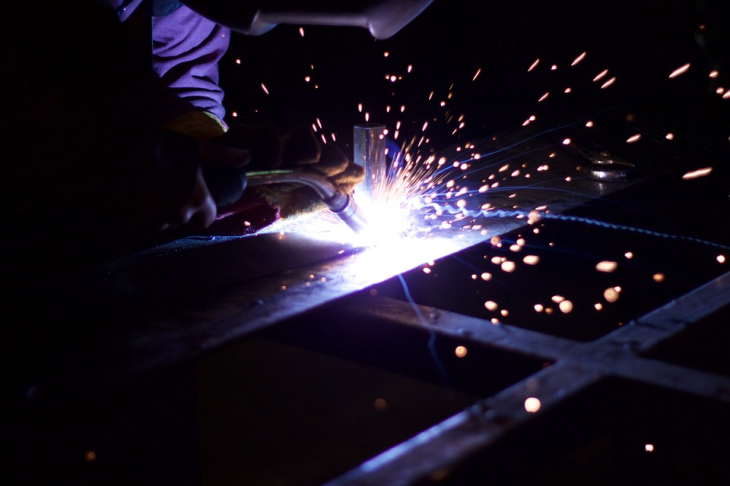
Figure 2: While welding tables all provide the same basic functions, key specifications vary depending on the intended use. Source: Pixabay
Specifications
While welding tables all provide the same basic functions, key specifications vary depending on the intended use. The size and variability of projects and the type of materials being welded has a large influence on the type of table that should be chosen. Some of the most important specifications to pay attention to include:
Table Size
The most important aspect of welding and fixturing tables is the overall size of the table. Typical sizes for welding and fixturing tables range from 2 feet by 3 feet to 6 feet by 12 feet. Determining the right size for the welding table depends on the size of the shop where it will be used and the types of workpieces that will regularly be used with the table.
Table Material
Steel is by far the most common materials used for welding tables and fixturing tables with cast iron and stainless steel close behind. Steel tables are often made from heavy gauge steel and can be raw or have a surface finish as long as the electrical and heat transfer properties are not reduced. Aluminum tables are sometimes used as well and can be beneficial for working with certain types of materials.
Load Capacity
Welding tables and fixturing tables must be able to support the weight of the workpieces being welded. Tables typically have a load capacity ranging from a few hundred pounds to several thousand pounds.
Table Surface
Because fixturing and welding tables are critical for properly aligning workpieces, the table surface itself must be very smooth. The surface of the table must be flat, smooth, and free of imperfections. Some tables are machined to achieve a precision flatness of +/- 0.002 inches.
Table Height and Adjustability
While welding tables and fixturing tables result in better quality assemblies, the tables also lead to better ergonomics for the welder. The height of the table should be adjustable to allow for comfortable working conditions, either for sitting or standing. Adjustable table height is also necessary when working with large or heavy workpieces that require different positioning.
Clamping Mechanisms
In order to hold workpieces at the proper position and angle, clamping mechanisms are needed. The table should be equipped with a range of clamping mechanisms, such as toggle clamps, hold-down clamps, and magnetic clamps, to hold workpieces securely in place. Tables should have T-slots and threaded holes to allow for easy attachment of clamps and other accessories.
Accessories
Accessories are what allow welding and fixturing tables to become incredibly versatile and useful in a shop. These tables can be fitted with a range of accessories, such as vices, jigs, and fixtures, to improve the efficiency and precision of welding operations. Some tables are also equipped with casters or wheels to allow for easy mobility around the workshop.
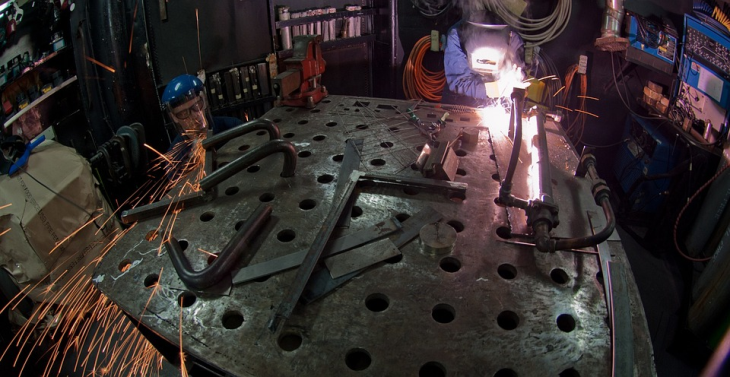
Figure 3: Welding and fixturing tables come in a few different varieties that suit a variety of different needs. Source: Pixabay
Types
Welding and fixturing tables come in a few different varieties that suit a variety of different needs. Here are some of the most common types of welding fixtures:
Basic Welding Tables
These are simple, sturdy tables with a flat surface and a few T-slots or threaded holes for clamping. They are suitable for basic welding applications and are often used in small workshops or garages.
Modular Welding Tables
These tables consist of individual modules that can be connected together to create a larger work surface. They are highly configurable and can be adapted to suit a wide range of welding applications. For project-based shops, these types of tables allow the table to be reconfigured quickly as jobs change.
Heavy-Duty Welding Tables
These tables are designed to handle large, heavy workpieces and are often used in industrial settings. They are made from thick steel or cast iron and have a high load capacity.
Adjustable Height Welding Tables
Adjustable height is a defining feature of welding tables that allows the user to raise or lower the table to a comfortable working height. This is especially useful when working with large or heavy workpieces. Adjustable height legs often reduce the load capacity of the table but do give the table more versatility.
Portable Welding Tables
When welding tables are needed in the field or at job sites, portable welding tables are a must. These tables are designed for easy transport and are often equipped with wheels or casters.
These broad categories of welding and fixturing tables cover many of the most common types but many others exist as well. Specialty tables are available for serving unique applications.
Features
Welding tables and fixturing tables have available features that make the tables much more useful in a shop setting. Some combinations of features are so important to welders that they build their own tables when they cannot get the combination they want.
The most popular features are designed to make welding and metalworking processes more efficient, accurate, and safe. Many of these features can be added onto welding tables after the table has been in use as well. Here are some of the most common features of welding tables and fixturing tables:
- T-slots and threaded holes
- Clamping mechanisms
- Adjustable height and angle
- Mobility
- Tool holder
- Surface treatment
T-slots and threaded holes make the attachment of clamps, vices, and other accessories to the table quick and easy. Clamping mechanisms like toggle clamps, hold-down clamps, and magnetic clamps hold workpieces securely in place during welding or other metalworking processes.
Tables with great adjustability can make work faster for the operator. By adjusting the height and angle, the user can position workpieces at the optimal angle and orientation: Casters or wheels also allow for easy mobility around the workshop.
Some tables are treated with a special coating or finish to protect them from rust and corrosion. The heat and spatter from welding can be hard on tables. Zinc and nitride coatings protect welding and fixturing tables while making them easier to maintain.
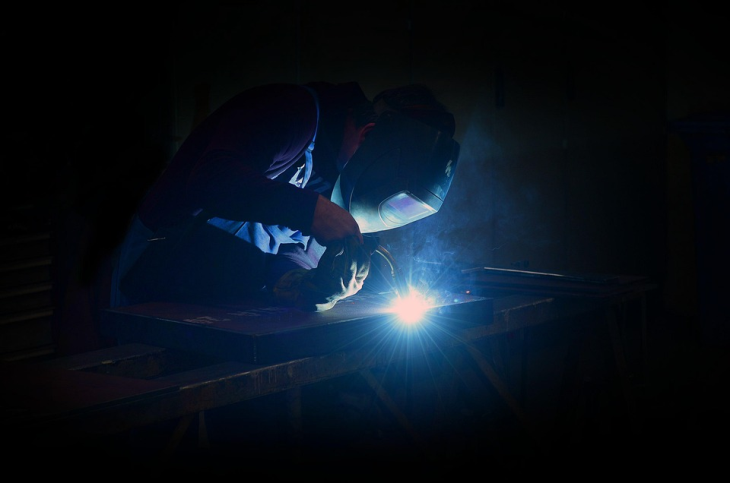
Figure 4: Welding tables and fixturing tables are manufactured using a variety of methods, depending on the size, complexity, and intended use of the table. Source: Pixabay
Manufacture
Welding tables and fixturing tables are manufactured using a variety of methods, depending on the size, complexity, and intended use of the table. Here are some common manufacturing methods:
Casting or Welding
Cast iron welding tables are made by pouring molten iron into molds of the components, which are then allowed to cool and solidify. The tables are then removed from the mold, cleaned up, and machined to the desired specifications.
Steel and aluminum welding tables are often made from welded frames and sheet metal tops. The frames are usually made from square or rectangular tubing, while the top is made from a thick sheet of steel that is welded to the frame.
Machining
Welding and fixturing tables are precision pieces of equipment. Keeping these table surfaces smooth is essential for properly aligned assemblies. The table is first roughed out using a milling machine and then finished to the desired specifications using precision machining techniques. Higher quality tables hold surface variations within a tighter tolerance.
Assembly
Some welding tables and fixturing tables are assembled from pre-fabricated components. For example, modular welding tables may be made from individual modules that are bolted together to create a larger work surface. Legs are often assembled to table tops for most types of welding and fixturing tables.
Finishing
Once the table has been manufactured, it may be finished with a zinc or nitride coating to protect it from rust and corrosion. Some tables may be treated with other special coatings or finishes to provide additional resistance to wear and tear. The finish must still allow for heat and electricity to move through the table easily.
Overall, the manufacturing process for welding tables and fixturing tables involves a combination of casting, welding, machining, and assembly techniques, as well as finishing processes to protect the table from damage and corrosion. The specific manufacturing method used will depend on the size, complexity, and intended use of the table. It is also important to note that welding tables can also be made by DIYers in order to meet their particular requirements.
Applications
Welding tables and fixturing tables are used in a wide range of welding and metalworking applications. Here are some of the most common applications:
Welding
Welding tables are specifically designed for welding operations, providing a stable and level surface for holding workpieces in place during welding. They may also be equipped with clamping mechanisms and accessories to improve the efficiency and accuracy of welding operations. Welding tables are essential for any shop that performs welding.
Fabrication
Fixturing tables are used in metal fabrication to hold workpieces in place during cutting, drilling, and other metalworking processes. Fixtures used to hold workpieces at the desired angle and orientation for high-quality assembly.
Inspection and Measuring
Some welding tables and fixturing tables are designed for inspection and measuring welded components. They may have a precision flat surface and may be equipped with fixtures for holding workpieces in place during inspection and measuring.
Education and Training
Welding tables and fixturing tables are used in welding and metalworking education and training to provide students with a safe and stable platform for learning welding and metalworking techniques.
Overall, welding tables and fixturing tables are essential tools in welding and metalworking applications, providing a stable and level surface for holding workpieces in place during welding, fabrication, inspection, and other metalworking processes.
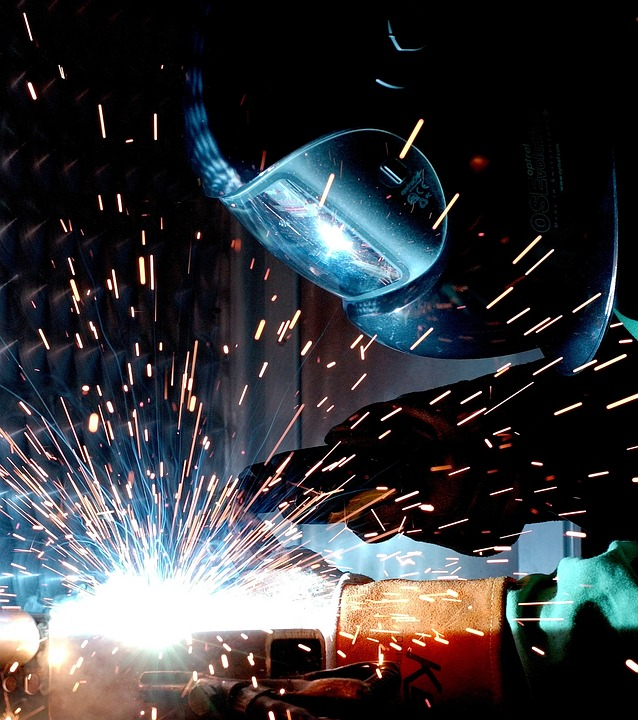
Figure 5: welding tables and fixturing tables are essential tools in welding and metalworking applications. Source: Pixabay
Standards
There are a number of standards that apply to welding tables and fixturing tables, including:
- ISO 13920
- 29 CFR 1910
- AWS D1.1
These standards provide guidelines for the design, manufacture, and use of welding and positioning equipment, including welding tables and fixturing tables. Some of these standards also focus on the requirements of welded structures, which then form the requirements of welding tables. Some of these standards also specify the tolerances for the flatness and straightness of welding tables and fixturing tables.
Overall, compliance with these standards is important to ensure the safe and proper use of welding tables and fixturing tables, and to help prevent accidents and injuries in the workplace. It is important to consult the relevant standards when selecting, installing, and using welding tables and fixturing tables.