
Spin Coaters Information
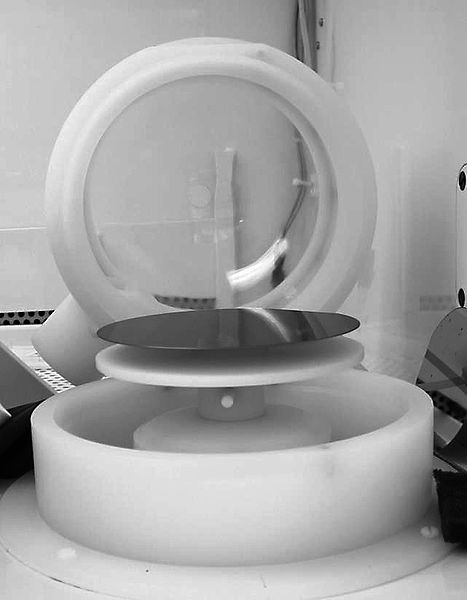
Figure 1: A spinner. Source: Alison Chaiken/CC BY-SA 3.0
A spin coater is a device used in various industries for applying a thin film to the surface of a substrate, such as a silicon wafer in semiconductor manufacturing or a glass slide in a research lab. The process involves depositing a small amount of a liquid (usually a solution or a suspension) onto the center of the substrate, which is then spun at high speed to spread the liquid uniformly across the surface. Spin coaters are essential for applying thin, uniform coatings to materials.
Theory of Operation
Spin coaters rely on concepts from fluid dynamics, centripetal force, and surface tension in order to successfully deposit thin coatings onto substrates. Here is a breakdown of the theory and the four main steps in the process:
- Initial dispensing of liquid
- Acceleration phase
- Spreading phase
- Evaporation and solidification
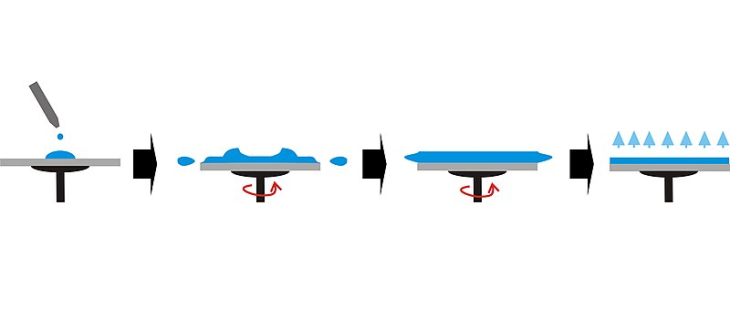
Figure 2: Stages of spin-coating process. Source: TyrionL/Public domain
Initial Dispensing of Liquid
A small amount of liquid is dispensed onto the center of a stationary or slowly spinning substrate. The liquid deposited has some desirable material in solution with a solvent that will later be evaporated away. The liquid typically wets the surface, forming a small puddle, and is sometimes applied evenly as a film across the substrate.
Acceleration Phase
To generate a thin, consistent layer of the solution on the substrate the spinning begins or accelerates. As the substrate spins, the liquid experiences a centripetal force that pushes it toward the edge of the substrate while surface tension holds the film together. The thickness of a spin-coated film is proportional to the inverse of the square root of spin speed:
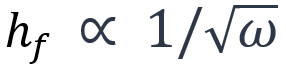
In the previous relationship, is the final film thickness and is the angular velocity. To get a film thickness half as thick for example, the angular velocity would have to be four times as fast.
Spreading Phase
Due to the centripetal force, the liquid spreads radially outward. However, the liquid’s surface tension resists this spreading. The balance between surface tension and centripetal force determines the final thickness of the film.
Evaporation and Solidification
As the liquid spreads, it also starts to evaporate, depending on its composition and the ambient conditions. This evaporation further helps in the formation of a thin, uniform film. In some cases, additional curing methods (e.g., UV light, thermal treatment) might be applied to solidify the film.
After an initial transient phase, the system reaches a steady state where the rate of liquid spreading balances the rate of evaporation. The thickness of the film in this phase is often determined by the spin speed and the liquid properties.
Analytical Models
The relationship highlighted earlier leaves out the effects of evaporation and material properties. Researchers like Emslie, Bonner, and Peck attempted to capture some of these impacts on film thickness with their equation published in 1958:
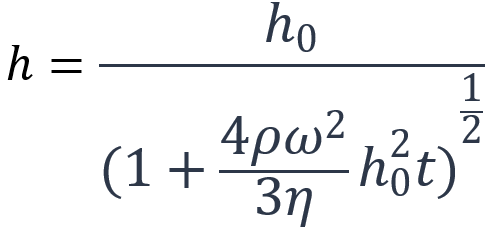
In their equation, is the final film thickness, is the initial thickness of the film, is the angular velocity, is the viscosity, and is the density of the fluid. This equation does a better job of analyzing the impacts of the fluid properties on film thickness but leaves out the effects due to evaporation. In 1978, Meyerhofer published an improved model to account for these effects.
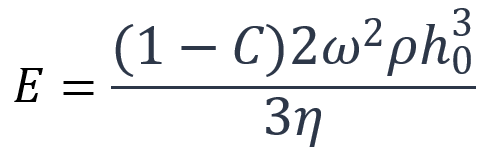
In his improved equation, is the uniform solvent evaporation rate and is the volume fraction of solute in the film. Combined with the earlier equation, Meyerhofer’s equation results in the most commonly used equation for estimating a final film thickness with spin coaters:
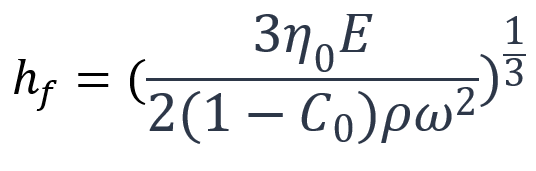
Specifications
The specifications for spin coaters can vary depending on the manufacturer and the specific application for which the spin coater is intended. However, there are several common specifications that are often provided:
Mechanical and Operational Specifications
The application and type of substrate being coated will have a large bearing on the size of spin coater needed. Common specifications to be aware of include:
- Substrate size: Specifies the range of substrate diameters that the spin coater can accommodate
- Chamber material: The material used for the coating chamber, often made of chemically resistant materials like PTFE (Teflon) or stainless steel
- Spindle material: Specifies the material of the spindle that holds the substrate
- Speed range: The range of rotational speeds the spin coater can achieve, often specified in revolutions per minute
- Acceleration: The rate at which the coater can change speed, usually specified in RPM per second
- Speed accuracy: The precision with which the speed can be controlled, often as a percentage or an absolute RPM value
- Speed stability: How stable the spin speed is during operation, usually specified as a percentage deviation
Coating Specifications
Spin coaters often use different solvents and solutions in their applications. Common coating specifications include:
- Coating uniformity: Specifies the variation in thickness across the substrate, usually as a percentage
- Minimum/maximum thickness: Specifies the range of film thicknesses that can be achieved
- Coating methods: Specifies if the coater supports different methods like static dispense, or dynamic dispense.
Environmental Specifications
Not all spin coaters are used in the same environment. The operating temperature range of the spin coater is important for determining the range of ambient temperatures at which the coater can operate. Humidity levels can also greatly impact the spin coater’s performance and the quality of the finished coating. Ensure that the range of relative humidity levels at which the coater can operate fits the application.
Utility Specifications
Ensure that the electrical power requirements, usually specified in volts and amperes, fit for the given application. Power supplies can vary widely throughout the world. If the coater uses a gas, the type and pressure requirements will be specified.
Control and Interface Specifications
Interacting with spin coaters can vary widely across different types. Common control and interface specifications include:
- User interface: Type of control interface, such as touchscreen, buttons, or computer interface
- Programmable profiles: The ability to store and recall different spin-coating programs
- Data output: Whether the device can output log files or other data for analysis
Safety Features
Spin coaters spin at incredibly fast speeds. Safety features are a must. Interlock mechanisms function to prevent operation under unsafe conditions. Emergency stops are critical features to quickly halt the operation for safety reasons.
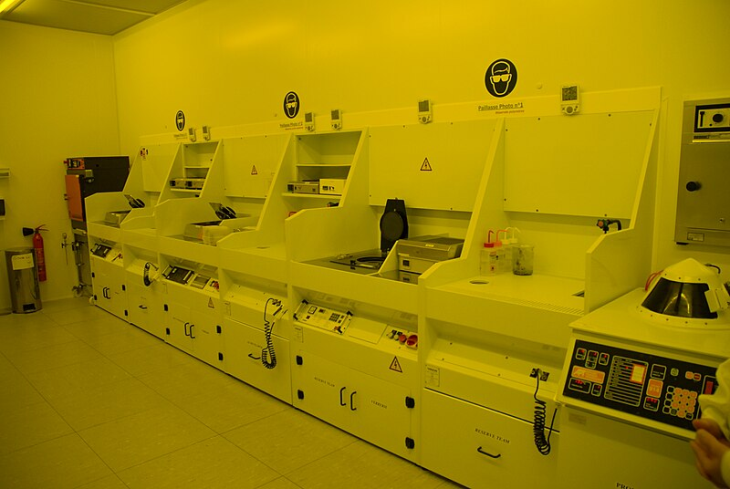
Figure 3: Photoresist spin coating machines. Source: Guillaume Paumier/CC BY-SA 3.0
Types
Spin coaters come in various types, each with specific advantages and limitations. The type of spin coater to be used depends on the application, substrate size, and other factors. Here are some common types:
Benchtop Spin Coaters
Ideal for lab-scale applications, research, and development, these spin coaters are smaller in size. Their compact design and versatility make them useful for a wide range of applications. They are often used for small to medium-sized substrates.
Automated or Production Spin Coaters
Used in large-scale manufacturing processes where high throughput is required, production spin coaters are much larger than their benchtop counterparts. These spin coaters can handle multiple substrates simultaneously, often integrated into larger production lines, and may include automated loading and unloading systems.
Vacuum Spin Coaters
When precise control of film thickness and uniformity is required, vacuum spin coaters meet that demand, These spin coaters use a vacuum to secure the substrate to the chuck, allowing for a more uniform spread of the liquid solution.
Nitrogen-Purge Spin Coaters
Some coating applications require a controlled environment to prevent oxidation or contamination. The chamber is purged with nitrogen or another inert gas to maintain a specific, highly controlled atmosphere.
Specialty Material Spin Coaters
Used for depositing special materials like sol-gel, organic photovoltaics, or other advanced materials, these machines have unique capabilities. These spin coaters may include specialized dispensing systems or material handling capabilities depending on the materials being used.
Multi-Step Spin Coaters
Some substrates require multiple layers of coatings. These applications may also require multiple layers of different materials to be coated sequentially without removing the substrate. These spin coaters often use multiple dispensing nozzles and programmable steps to achieve these complex layering processes.
Co-located Spin Coaters
Some specialized applications where the spin coating process is integrated with other processes, such as deposition or etching, require co-located spin coaters. These machines are designed to be part of a larger system, often with the ability to transfer substrates to and from other equipment without breaking the controlled environment.
Each type of spin coater has its own set of specifications, capabilities, and limitations, and the choice of a spin coater often depends on the specific needs of the application.
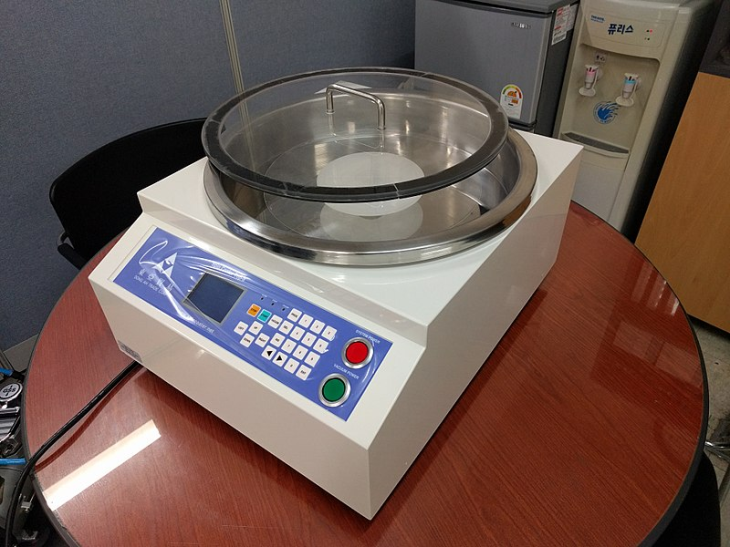
Figure 4: An 8 inch spin coater. Source: Junny97008/CC BY-SA 3.0
Features
The features of spin coaters can vary depending on the manufacturer, the type of spin coater, and the specific application requirements. Some commonly found features include:
Mechanical and Operational Features
Spin coaters are powerful machines with mechanical and operational features that greatly enhance their productivity and quality. Common features include:
- Variable chuck sizes: Allows the spin coater to accommodate different sizes of substrates
- Quick-change chucks: Allows for fast and easy switching between different substrate sizes
- Chemical-resistant chamber: Made from materials like PTFE (Teflon) or stainless steel to withstand various chemicals
- Removable drip tray: For easy cleaning and maintenance
- Adjustable RPM: Allows the user to set the rotational speed to achieve desired film characteristics
- Acceleration control: Enables control over the rate at which the spin speed changes
- Multiple dispensing nozzles: For multi-layer coatings or use of multiple solutions
- Vibration isolation: Some models include features to minimize vibration, which can be crucial for certain applications
Control and Interface Features
As with most modern machines, controls and interfacing options have greatly improved. Here are some common control and interface features for spin coaters:
- Touchscreen interface: For easy setup and control
- Programmable profiles: Allows users to save and recall different coating protocols
- Digital display: For real-time monitoring of parameters like RPM and time
- Remote control: Some models offer computer-based control through software
- Closed-loop feedback: For high-precision applications, some spin coaters have real-time monitoring and feedback systems
- Built-in timer: To precisely control the duration of each coating step
- Automatic dispensing: Automated liquid dispensing systems for high throughput and consistency
Environmental Features
Complex coatings or substrates often require particular environmental conditions to achieve the desired quality and uniformity. Some environmental features to be aware of are:
- Temperature and humidity control: Some advanced models offer control over the environmental conditions
- Inert gas purge: For applications requiring an oxygen-free or moisture-free environment
- HEPA filters: Some larger models come with built-in filters for ultra-clean operation
Safety Features
Arguably the most important features for any machine are the safety features. Common safety features include:
- Safety interlock: Prevents operation if the chamber door is open or other unsafe conditions are detected
- Emergency stop button: For immediate cessation of all operations
- Overload protection: Protects the motor and electronics from damage due to overload conditions
These features can significantly affect the performance, ease-of-use, and versatility of a spin coater, so it's important to carefully consider which features are necessary for your specific application when selecting a spin coater.
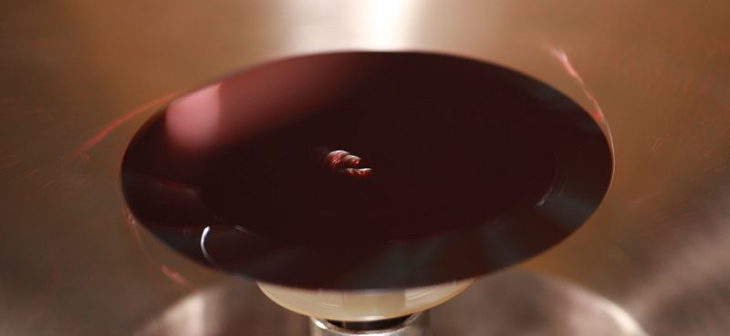
Figure 5: Photoresist during spin coating on silicon wafer. Source: SEI/CC BY-SA 4.0
Manufacture
The manufacturing of spin coaters involves a combination of mechanical engineering, electronics, material science, and software design. Here's a general outline of how spin coaters are typically manufactured:
Component Sourcing
Spin coaters are complex machines with many different parts, strict requirements, and tight tolerances. These materials and components must be first sourced from suppliers. This often includes motors, electronic components, and raw materials for the chamber and spindle.
Mass Fabrication
Components are manufactured in larger quantities, often using methods like injection molding for plastic parts and CNC machining for metal parts. Circuit boards are populated with components through automated processes like surface-mount technology.
Mechanical Assembly
Components like the chamber, spindle, and motor are assembled together after initial component fabrication. This may be done manually for specialized equipment or automated for mass production.
Software Installation
The control software is installed and calibrated. The software must be able to correctly interpret user commands and enable the spin coater to respond properly.
Quality Control
Each unit undergoes a series of tests to ensure it meets all specifications and quality standards. The high precision required of spin coaters means that quality control procedures must also be tightly controlled.
Cleaning and Shipping
The units are cleaned to remove any residues from the manufacturing process. A final inspection is conducted to ensure all components are correctly assembled and functional. Units are securely packaged along with any accessories, user manuals, and other documentation. The finished products are then shipped to distributors or directly to customers.
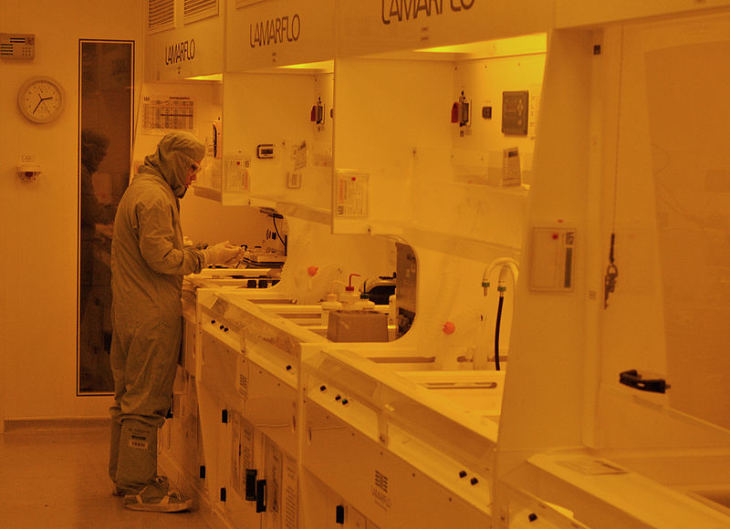
Figure 6: Photolithography laboratory. Source: University College London Faculty of Mathematical & Physical Sciences/CC BY 3.0
Applications
Spin coaters are versatile pieces of equipment that find applications in various fields due to their ability to create thin, uniform films on substrates. Here are some common applications:
Semiconductor Manufacturing
Semiconductors often greatly benefit from the thin, uniform layers applied by spin coaters. Spin coaters are used to apply a layer of photoresist onto silicon wafers during photolithography processes. In the fabrication of integrated circuits, thin films of dielectric materials may be applied using spin coating as well.
Material Science and Nanotechnology
For studying material properties, including optical, electrical, and magnetic properties thin film deposition is key. Nanocomposite films are also used for creating thin films of nanomaterials and composites for various applications, such as sensing and catalysis.
Renewable Energy
Solar cells and fuel cells are also applications requiring spin coater technology. In solar cell manufacturing, spin coating is used to apply organic photovoltaic materials in the fabrication of organic solar cells. For fuel cells, membranes and other thin-layer components may be prepared using spin coating to achieve the required uniformity and thicknesses.
Biomedical Applications
Spin coaters are critical for many modern biomedical applications as well. Biosensors require thin layers of biological recognition elements to be applied on sensor substrates. For drug delivery, thin films containing pharmaceuticals must be prepared for controlled drug release.
Electronics
LEDs and other optoelectronics would not be possible without spin coaters. Spin coating is used to apply organic or inorganic layers in the manufacture of light-emitting diodes. Transistors and diodes with organic semiconducting layers often require spin coating. In organic field-effect transistors (OFETs) and organic light-emitting diodes (OLEDs), the organic layers can be applied via spin coating. Optical coatings, such as anti-reflective coatings, are often applied to lenses and other components. The incredibly thin layers and tight requirements for uniformity on any of these components make spin coating an ideal choice.
Due to its flexibility and the range of materials it can handle, spin coating continues to be an essential tool across multiple disciplines and industries.
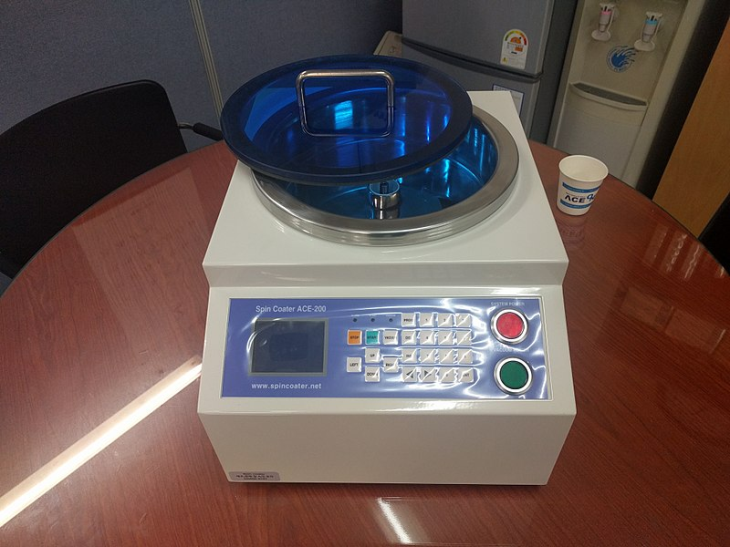
Figure 7: Four inch spin coater. Source: Junny97008/CC BY-SA 3.0
Standards
Standards for spin coaters are designed to ensure safety, performance, and reliability. These standards can be industry-specific or more general, and they may be set by various organizations, including international bodies, government agencies, and industry consortia. Here are some types of standards that may apply to spin coaters:
Safety Standards
Spin coaters use electricity to rotate at high speed. Doing so safely requires strict adherence to safety standards. Standards such as those by the International Electrotechnical Commission (IEC) or Underwriters Laboratories (UL) can apply to ensure electrical components and equipment are safe.
Spin coaters also often handle volatile or hazardous chemicals, so they may need to comply with standards related to chemical handling and storage. In the United States, Occupational Safety and Health Administration (OSHA) standards may apply, particularly in industrial settings.
Quality Assurance and Control
While spin coaters may not fall directly into any particular standards, they are often used in processes and facilities with tight controls. For example, if the spin coater is to be used in a cleanroom, it may need to comply with cleanliness standards such as ISO 14644. Quality management standards, like ISO 9001, may also apply to the manufacturing process of the spin coater itself. Regular calibration may be required to ensure the spin coater performs to its specifications, and there may be standards that govern how this calibration is carried out.
Compliance with relevant standards is crucial for ensuring that a spin coater is safe, reliable, and effective for its intended use. Always consult with manufacturers and industry experts to ensure that the spin coater you are considering complies with all applicable standards.