
Solar Lighting Information
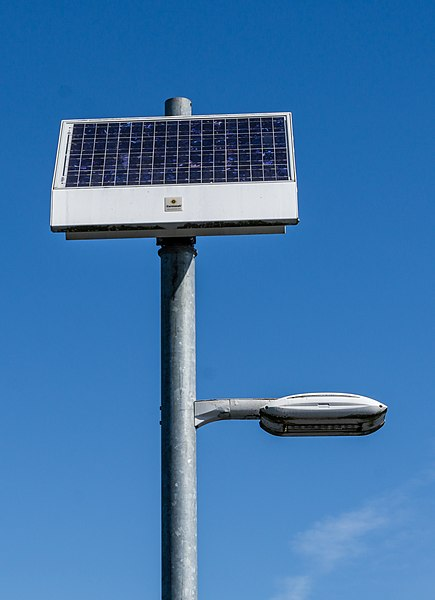
Figure 1: A solar lamp. Source: Michal Klajban/CC BY-SA 4.0
Solar lights do an incredible job of storing the sun’s energy and then using it to light up the world at night. Solar lights consist of parts to capture the sun’s energy, store it until needed, and to discharge that energy as light. Advancements in solar and lighting technology have allowed solar lighting to penetrate into many different markets. Everything from billboards to small gardens can now be lit up with renewable energy thanks to solar lighting.
Theory of Operation
The intense heat and pressure inside the sun cause hydrogen atoms to fuse into helium, releasing massive amounts of energy in the process. On Earth, photovoltaics convert that energy from the sunlight into electricity. Solar lighting focuses this conversion of sunlight into electricity for the purpose of powering light sources to provide lighting. The key components involved in the process include solar panels, batteries, charge controllers, and light sources.
Solar Panel
The solar panel, made up of photovoltaic (PV) cells, is responsible for capturing sunlight and converting it into direct current (DC) electricity. PV cells are made of semiconductor materials, like silicon, which generate electric current when exposed to sunlight due to the photovoltaic effect. Many of these cells are connected together to generate larger currents. The more surface area covered by solar panels, the greater the opportunity for capturing the sun’s energy.
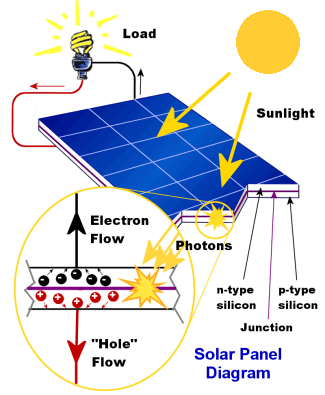
Figure 2: Working of silicon solar cell. Source: Tssenthi/CC BY-SA 4.0
Charge Controller
The output from PV cells can vary based on the amount, intensity, and angle of light shining on the cells. To protect the batteries downstream of the PV cells, the generated DC electricity is sent to a charge controller, which regulates the voltage and current coming from the solar panel. The charge controller ensures that the battery does not get overcharged or excessively discharged, prolonging its lifespan and maintaining system efficiency.
Battery
When the sun is shining, solar lights do not need to operate. To save that energy for when it is needed, the DC electricity is then sent to a battery, typically a rechargeable deep-cycle battery, like a lead-acid or lithium-ion battery. The battery acts as an energy storage system, ensuring that the solar lighting system can function at nighttime.
Light Source
The stored electrical energy in the battery is used to power a light source, usually energy-efficient light emitting diodes (LEDs) or, less commonly, compact fluorescent lights (CFLs). LEDs are preferred due to their high energy efficiency, long lifespan, and low heat emission. LEDs are also typically low maintenance, which gives LED solar lights a long service life.
Light Sensor or Timer
To keep solar lights from turning on when the sun is out, solar lights need a light sensor or a timer. Both the light sensor and timer work to automatically turn the lights on either when the ambient light falls below a certain level or at a pre-set time. This helps conserve energy and ensures that the lights only operate when needed.
Specifications
The specifications for solar lighting systems can vary significantly based on the application, location, and desired performance. However, some key parameters and components to consider when designing or selecting a solar lighting system include:
Solar Panel
For solar lights to work well, the solar panel must be sufficiently powerful and efficient. When analyzing the solar panel, key specifications to look for include the:
- Solar panel type
- Power output
- Efficiency
Solar panels can be constructed from different semiconductor materials. Types of solar panels include monocrystalline, polycrystalline, or thin-film types. The type and construction of a solar panel will determine how efficient the panel is at converting sunlight into electricity. Typically, monocrystalline panels have higher efficiency than polycrystalline or thin-film panels. These factors combine to determine the solar panel’s power output, which must be carefully matched to the required power for the lights.
Battery
Storing the energy output from the solar panel for later use means the battery specifications must meet the minimum requirements for working with the solar panel and lighting system. Key battery specifications include:
- Type
- Capacity (Ah)
- Voltage (V)
- Depth of discharge (DoD)
Common types of batteries used with solar lighting systems include lead-acid (flooded, AGM, or gel) or lithium-ion (LiFePO4). Batteries come in different capacities, usually measured in ampere-hours. The nominal voltage of the battery, commonly 12 V, 24 V, or 48 V for solar lighting systems must be matched to the output from the solar panels and the voltage requirements of the lighting system for proper operation. The percentage of the battery capacity that can be safely discharged without damaging the battery is referred to as depth of discharge and has a big impact on the longevity of the solar lighting system.
Charge Controller
To keep the battery working properly for long periods of time, the charge and discharge of the battery must be carefully monitored. Specifications to look for on the charge controller include:
- Type
- Input voltage range (V)
- Maximum current (A)
Charge controllers can use different types of technology to control the charge going to the battery including pulse width modulation (PWM) or maximum power point tracking (MPPT). Because the voltage output of solar panels varies throughout the day, charge controllers must be able to accept a range of voltages referred to as the input voltage range. The wider the range the greater the conditions where the charge controller will be able to charge the batteries. Finally, the maximum current determines the maximum current the charge controller can deliver to the battery.
Light Source
The final specifications to look for when selecting solar lighting involve the lighting source itself. Many different output types and variations are available so it is important to be aware of the differences. Common specifications include:
- Type
- Power output (W)
- Color temperature (K)
- Luminous efficacy (lm/W)
- Control method
- Mounting and installation method
- Weather resistance.
The most common type of solar lighting is LED-based, but CFL options do exist. The power output measures the wattage of the light source. Coupled with the light’s luminous efficacy, these parameters determine how much light the solar light will produce. Color temperature is a measure of the color of the light emitted, typically measured in Kelvin (warm white, cool white, or daylight).
Solar lights must have some method for turning on when needed and turning off when not. The light sensor or timer is the component that controls when the lights turn on and off, either by detecting ambient light levels or following a pre-set schedule.
The solar light must be able to mount in the required location. Refer to mounting and installation specifications to confirm the required height of the light source and any additional components required for installation, such as poles or brackets. Specifications related to the system's ability to withstand environmental factors such as temperature, humidity, rain, snow, and wind are also important considerations.
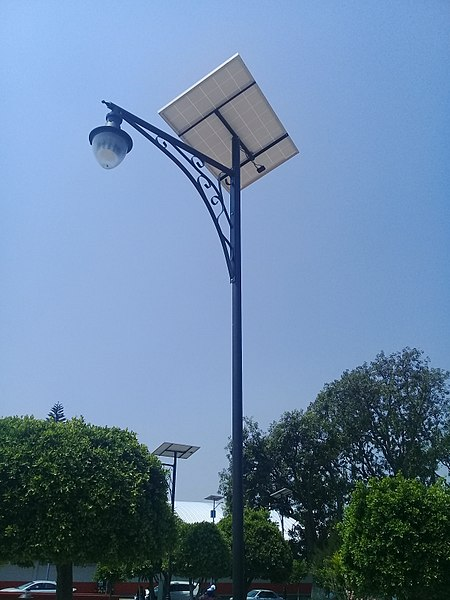
Figure 3: A solar lamp. Source: Isaacvp/CC BY-SA 4.0
Types
Solar lighting systems come in various types, depending on the application and intended purpose. Some common types of solar lighting include:
Solar Street Lights
These are standalone, self-contained systems used to illuminate streets, highways, and pathways. They are typically equipped with high-efficiency LED lights, solar panels, batteries, and charge controllers, mounted on a pole. Solar street lights can be used in both urban and rural settings.
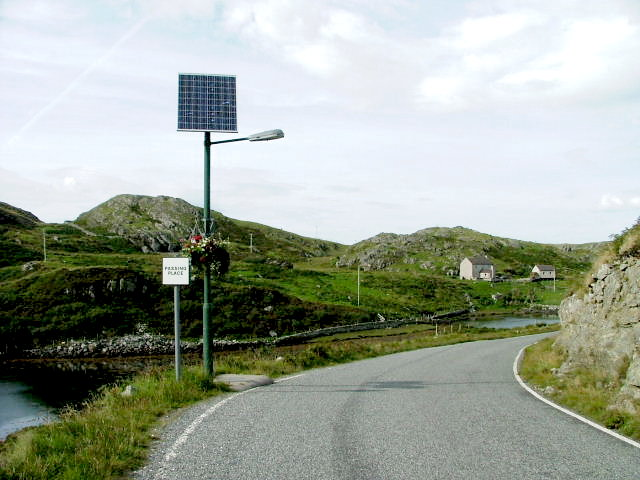
Figure 4: Solar powered light at Cromor. Source: Dave Fergusson/CC BY-SA 2.0
Solar Garden Lights
These are decorative and functional lights used in residential and commercial landscapes, gardens, and parks. Solar garden lights can include path lights, wall-mounted lights, or hanging lights. They are generally smaller in scale compared to solar street lights and are designed to blend seamlessly into the landscape.
Solar Floodlights
These are high-intensity lights used for illuminating large outdoor areas, such as sports fields, parking lots, or construction sites. Solar flood lights typically have a separate solar panel connected to the light fixture, allowing for flexible installation and positioning to optimize sunlight exposure.
Solar Wall Lights
These are mounted on exterior walls to provide security and ambient lighting for residential or commercial buildings. Solar wall lights can include motion sensors for added security, turning on when movement is detected.
Solar Lanterns
Portable and lightweight, solar lanterns are used for camping, hiking, or emergency situations. They are usually equipped with a small solar panel, battery, and LED light source, and sometimes include additional features like USB charging ports or multiple lighting modes.
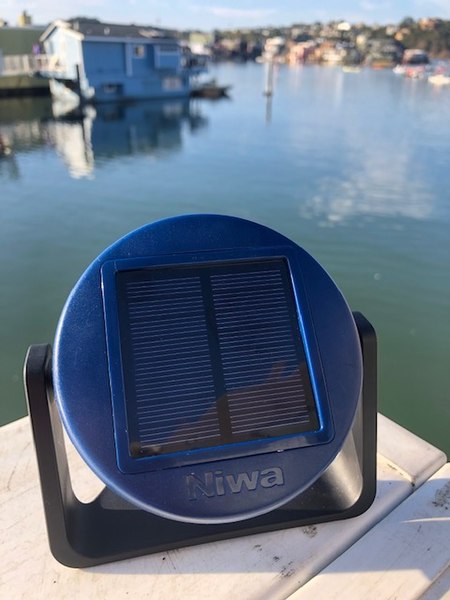
Figure 5: Portable solar camping light charges during the day, lights at night. Source: Energypeg/CC BY-SA 4.0
Solar Bollard Lights
These are short, sturdy, and cylindrical lights used to illuminate pathways, sidewalks, and driveways. Solar bollard lights are designed for durability and are often used in commercial settings like hotels, resorts, or public spaces.
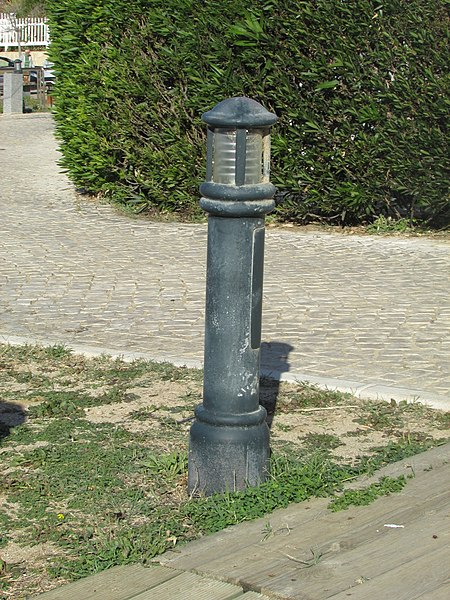
Figure 6: Pathway street light. Source: Kolforn/CC BY-SA 4.0
Solar Motion Sensor Lights
These lights are designed for security purposes and only turn on when motion is detected within a certain range. Solar motion sensor lights are commonly used for illuminating doorways, walkways, or other areas where security is a concern.
Solar String Lights
Solar string lights are decorative lighting options that consist of a series of small LED lights connected by a flexible wire. They are often used to decorate outdoor spaces like patios, gardens, or special events.
Figure 7: A light bulb. Source: Pixabay
Solar Sign Lights
These lights are designed to illuminate billboards, commercial signs, or house numbers. They ensure that signage is visible at night, providing advertising opportunities or assisting in navigation.
Features
Solar lighting systems offer several features that make them an attractive alternative to traditional lighting options including being a renewable energy source. Some other key features of solar lighting include:
Energy Efficiency
Solar lighting systems typically use energy-efficient LED lights, which consume less energy and produce more light per watt compared to traditional incandescent or CFL bulbs. This results in lower energy consumption and reduced operating costs.
Low Maintenance
Solar lighting systems have few moving parts and require minimal maintenance. LED lights have a longer lifespan compared to traditional bulbs, reducing the need for frequent replacements. Solar panels and batteries may require occasional cleaning or replacement, but overall maintenance requirements are low. By providing their own power, solar lights also prevent the need for electrical wiring from the source to the light.
Easy Installation
Solar lighting systems are generally easy to install, as they do not require electrical wiring or connections to the grid. This makes them suitable for remote or off-grid locations where traditional electrical infrastructure may not be available.
Autonomous Operation
Solar lighting systems store energy in batteries, allowing them to operate independently of the grid. This ensures continuous operation even during power outages or periods of low sunlight.
Cost Savings
Although the initial cost of solar lighting systems can be higher than traditional lighting options, the long-term operational costs are significantly lower. Solar lighting systems eliminate electricity bills, and their low maintenance requirements further reduce ongoing costs.
Customization
Solar lighting systems can be customized to suit specific requirements, such as adjusting the brightness, lighting duration, or incorporating motion sensors for security purposes.
Environmental Benefits
By utilizing renewable energy and reducing energy consumption, solar lighting systems have a lower environmental impact compared to traditional lighting options. This contributes to the reduction of greenhouse gas emissions and helps combat climate change.
Manufacture
Solar lighting systems consist of several components, such as solar panels, batteries, charge controllers, light sources, and mounting hardware. The manufacturing process for each of these components varies. Here is an overview of the manufacturing processes for the key components of solar lighting systems:
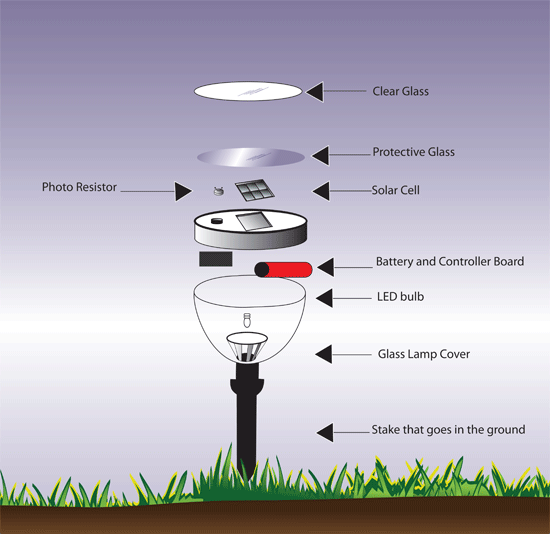
Figure 8: Solar lamp components. Source: Qmwnebvr97/CC BY-SA 4.0
Solar Panels
Building solar panels for solar lights involves the following steps:
- Silicon preparation
- Ingot and wafer production
- Cell processing
- Module assembly
The most common types of solar panels are made from silicon. The manufacturing process starts with obtaining high-purity silicon, which is typically derived from quartz sand through reduction and purification processes. The purified silicon is melted and formed into ingots or blocks, which are then sliced into thin wafers. These wafers serve as the base for photovoltaic cells.
The wafers undergo a series of processes, including doping (introducing impurities to create p-n junctions), anti-reflective coating, and metallization (adding conductive layers to form electrical contacts). These processes convert the wafers into functional photovoltaic cells. The photovoltaic cells are then interconnected, laminated, and framed to create solar panels. The panels are sealed to protect them from environmental factors and ensure durability.
Batteries and Charge Controllers
Batteries for solar lighting systems also have a few distinct manufacturing steps:
- Electrode preparation
- Battery assembly
- Battery casing and sealing
- Circuit design
- Component assembly and testing
The electrodes (anode and cathode) are prepared using various methods, such as pasting, calendaring, or coating, depending on the battery type (lead-acid or lithium-ion). The electrodes, separators, and electrolyte are assembled to form the battery cells. The cells are then connected in series or parallel configurations, depending on the desired voltage and capacity. The assembled cells are then placed in a protective casing, which is then sealed to prevent leaks and ensure structural integrity.
Charge controllers consist of electronic circuits that regulate the voltage and current flowing between the solar panels and batteries. The design of these circuits depends on the type of charge controller (PWM or MPPT) and the specific requirements of the solar lighting system. The electronic components, such as resistors, capacitors, microcontrollers, and transistors, are assembled on printed circuit boards (PCBs) using soldering or surface-mount techniques. The assembled PCBs are placed in protective enclosures and subjected to testing to ensure proper functionality and compliance with safety standards.
Light Sources
The final component needed for solar lighting systems is the light source itself. The steps for manufacturing an LED light source include:
- LED chip production
- Packaging and assembly
LED chips are made from semiconductor materials, such as gallium nitride (GaN) or indium gallium nitride (InGaN). The semiconductor materials are deposited on a substrate using techniques like epitaxy, and then patterned and processed to form the LED chips. The LED chips are encapsulated in protective materials and assembled with other components, such as heat sinks, lenses, or reflectors, to create the final LED light source.
After manufacturing the individual components, they are assembled to create the final solar lighting system. This may include attaching the solar panel, battery, and charge controller to the mounting hardware, connecting the electrical components, and installing the light source. The completed solar lighting systems undergo testing and quality control checks to ensure proper functionality and compliance with industry standards before being shipped to customers.
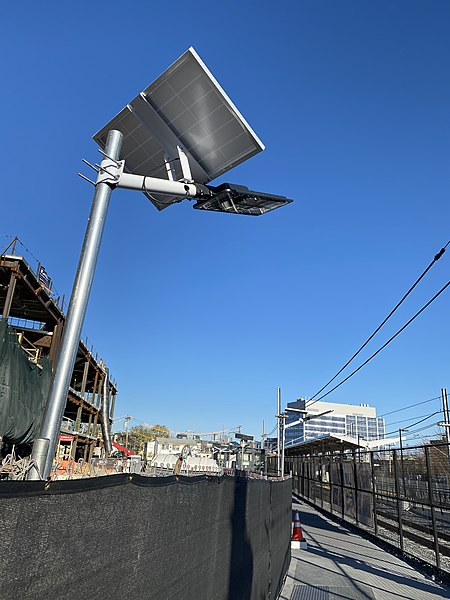
Figure 9: Union Square Station solar light fixture. Source: ArnoldReinhold/CC BY-SA 4.0
Applications
Solar lighting has a wide range of applications, making it a versatile and sustainable solution for various settings. Some common applications for solar lighting include:
Street and Roadway Lighting
Solar lighting systems can be used to illuminate streets, highways, and pathways in both urban and rural areas, improving visibility and safety for pedestrians, cyclists, and motorists.
Residential Lighting
Solar lights can be used for exterior home lighting, such as in gardens, patios, decks, or driveways, providing aesthetic appeal and security. They can also be used for illuminating house numbers or address signs.
Commercial and Industrial Lighting
Solar lighting can be installed in parking lots, building perimeters, and outdoor workspaces to provide security and illumination for employees and customers.
Public spaces
Solar lighting can be used in parks, playgrounds, and other public spaces, making them safer and more accessible during nighttime hours.
Landscape and Garden Lighting
Solar lights can be used for decorative and functional purposes in gardens, landscapes, or walkways, creating visually appealing environments and highlighting features like plants, statues, or fountains.
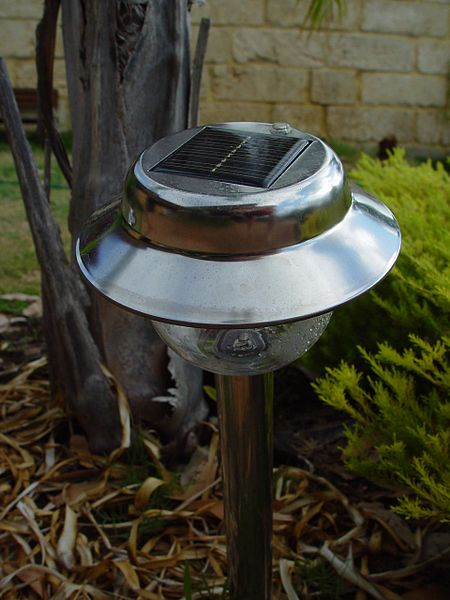
Figure 10: Solar garden light. Source: Leon Brooks
Security and Motion Sensor Lighting
Solar lights with motion sensors can be installed in strategic locations around homes, businesses, or other properties to deter intruders and provide illumination when movement is detected.
Emergency and Backup Lighting
Solar-powered lights can be used as backup lighting during power outages or for emergency situations like natural disasters or accidents, providing a reliable source of light when other options may not be available.
Signage and Billboard Lighting
Solar lights can be used to illuminate advertising billboards, commercial signs, or directional signs, ensuring visibility during nighttime hours.
Remote and Off-Grid Applications
Solar lighting is ideal for remote locations or off-grid areas where access to traditional electricity infrastructure is limited or unavailable, such as rural villages, island communities, or campsites.
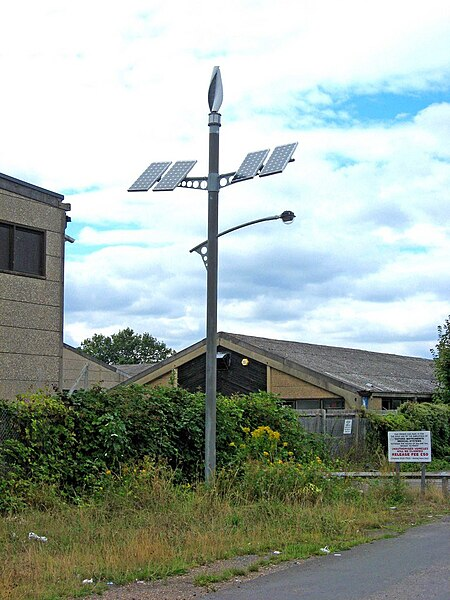
Figure 11: Solar powered street light. Source: P L Chadwick/CC BY-SA 2.0
Standards
Standards for solar lighting systems are established by various organizations and regulatory bodies to ensure product quality, safety, performance, and reliability. Some key standards that apply to solar lighting systems and their components include:
International Electrotechnical Commission (IEC) Standards
- IEC 61215
- IEC 61646
- IEC 62124
- IEC 60598
These standards apply to PV cells or LEDs. Some of these standards cover crystalline silicon (monocrystalline and polycrystalline) solar panels and outline the requirements for design qualification and type approval, including performance, durability, and safety tests. Other standards are specific to thin-film solar panels and set the requirements for design qualification and type approval. IEC 60598 is specifically relevant to luminaires (including LED light sources) and covers general safety and performance requirements.
Underwriters Laboratories (UL) Standards
- UL 1703
- UL 1741
These standards set the safety requirements for flat-plate photovoltaic modules and panels, including those used in solar lighting systems. They also apply to inverters, converters, and charge controllers used in solar lighting systems and outline the requirements for safety and performance.
National Electrical Code (NEC) Standards
- Article 690
This section of the NEC provides guidelines and requirements for the safe installation and use of photovoltaic systems, including solar lighting systems.
These standards, among others, help to ensure that solar lighting systems are safe, reliable, and efficient. Compliance with these standards is essential for manufacturers, installers, and end-users to guarantee the proper functioning and longevity of solar lighting systems. It is important to consult local regulations and codes, as additional or region-specific standards may also apply.