Rotary Kellys Information
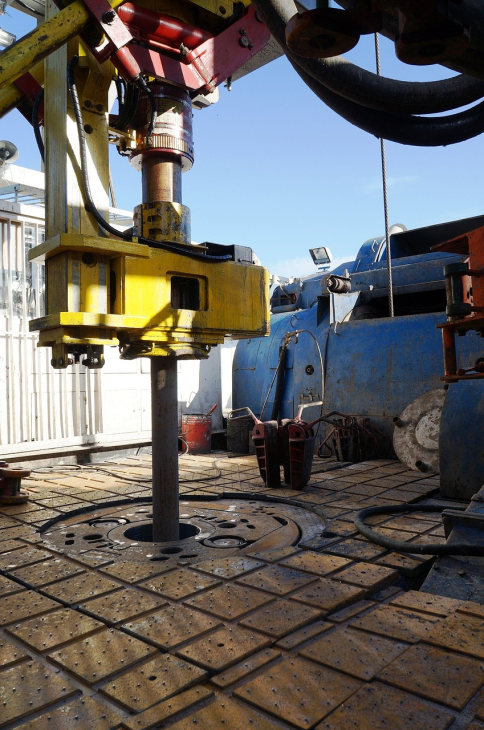
Figure 1: Rotary kellys are a common element in the oil and gas industry. Source: Pixabay
Rotary kellys are a common element in the oil and gas industry. Responsible for transmitting the rotational energy required to drill deep into the bedrock, rotary kellys are specially designed for fast and efficient drilling. Rotary kellys make up just one component of a drilling operation but are essential to an oil rig’s operation.
Theory of Operation
The rotary kelly is a key component in the drilling of oil and gas wells. It plays a central role in rotary drilling, which is one of the primary methods of drilling for hydrocarbons. Here's an overview of how rotary kellys work:
Basic Components
The kelly is a long, thick, four- or six-sided pipe that connects the rotary table on the drill floor to the drill string. Its primary function is to transmit rotary motion to the drill string while allowing the drill string to be lengthened. The rotary table is a mechanical device on the drill floor of a drilling rig that provides rotation to the kelly and hence to the drill string, enabling the drilling process.
Drilling Process
The rotary table drives the kelly, which in turn rotates the entire drill string. The square or hexagonal shape of the kelly fits into a matching kelly bushing on the rotary table, ensuring the even transmission of rotational force.
As the kelly rotates, it turns the drill string, allowing the drill bit at the end of the string to cut into the Earth. Drilling fluid (mud) is pumped through the hollow center of the kelly, down the drill string, and out through jets in the drill bit. This fluid serves to cool the bit, carry away cuttings, and maintain pressure in the well to prevent blowouts.
Adding and Adjusting Drill Pipe
The kelly's length determines the depth that can be drilled at one time (called a "single"). Once this length is drilled, the kelly is disconnected from the drill string. A new section of pipe (drill pipe) is then added to the top of the drill string. The kelly is reattached, and drilling resumes. Many of these cycles are repeated until the desired drilling depth is reached.
The kelly can also be used to lower or raise the drill string in the wellbore.
Valves and blowout preventers are integrated into the system to control well pressure and prevent uncontrolled releases of oil or gas.
Even with new technology emerging in the industry, the rotary kelly system remains an important part of the history and development of rotary drilling technology, especially in the oil and gas industry.
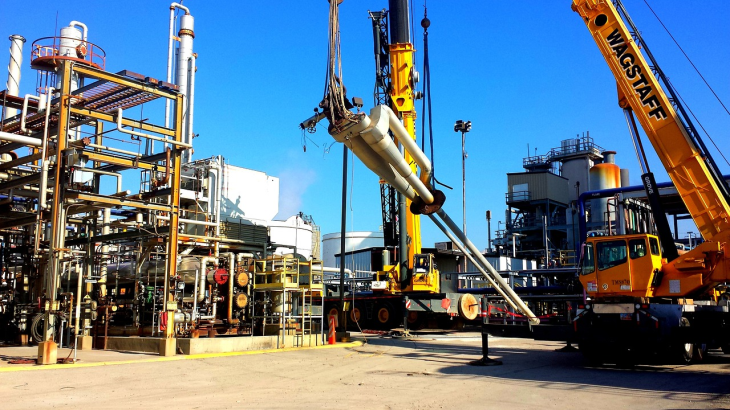
Figure 2: Rotary kellys are critical components in the drilling operation. Source: Pixabay
Specifications
Rotary kellys are critical components in the drilling operation, and their specifications vary depending on the application. Here are some key specifications to consider:
Size and Shape
Generally square or hexagonal in cross-section, the shape impacts how the kelly engages with the kelly bushing and rotary table. The bushing must match for proper operation to occur. The diameter of a rotary kelly bar typically ranges from 2.5 inches (63.5 mm) to 6 inches (152.4 mm), but can vary based on drilling requirements.
Length
Kelly bars come in a variety of lengths, typically from 40 feet (12 meters) up to 85 feet (26 meters). The length determines the depth of each drilling "single" (the depth drilled before adding a new section of drill pipe). Longer kellys typically result in a faster drilling operation but require a larger rig and infrastructure to support them.
Material and Construction
Rotary kellys are often made from high-grade, heat-treated steel to withstand the stresses of drilling and the corrosive environment of drilling fluids. Rotary kellys can be designed as a thick-walled pipe or a solid bar. The interior is hollow to allow for the passage of drilling fluid, which acts as a coolant and helps removing drilling material.
Connection Threads
The ends of the kelly have specialized threads for connection to the drill string. These threads must be compatible with the drill pipe and are designed to withstand the stress of drilling.
Common thread types include the American Petroleum Institute (API) standard threads.
Drive Bushing Compatibility
The kelly must be compatible with the kelly bushing on the rotary table, which engages the kelly to transfer rotational motion. These two parts must match or the operation will not work.
Strength and Torsional Ratings
The kelly must have sufficient strength and torsional resistance to handle the forces encountered during drilling, which can be extreme. Specifications will include yield strength, tensile strength, and torsional strength ratings.
Safety Features
Safety features such as stress relief grooves may be included to prevent sudden failure.
The design may also include features to facilitate easy and safe handling.
Each drilling operation may have unique requirements based on the geological conditions, the depth of the well, and the design of the drilling rig, so the specifications for a rotary kelly can vary significantly from one operation to another.

Figure 3: Rotary kellys, essential components in drilling rigs, come in different types to suit various drilling conditions and requirements. Source: Pixabay
Types
Rotary kellys, essential components in drilling rigs, come in different types to suit various drilling conditions and requirements. The primary distinction between types of kellys is based on their shape and specific design features. Here are the main types:
Square Kellys
These rotary kellys are square in cross-section. They are the most common type used in drilling operations. They have good torque transmission, are easier to manufacture and maintain, and provide better grip with the kelly bushing in the rotary table. With only four faces, they can experience more wear on the corners over time.
Hexagonal Kellys
Unlike their square counterparts, these rotary kellys have a hexagonal cross-section. They are less common but preferred in certain operations. They provide a smoother rotation than square kellys with more uniform wear distribution due to more contact faces. They can also transmit higher torque due to increased contact area but are more complex to manufacture and can be more expensive.
Specialty Kellys
These types of rotary kellys are much less common. These are custom-made kellys designed for specific drilling conditions, such as extreme depths, high torque requirements, or unusual geological formations. They are limited to very specific drilling operations where standard kellys are not sufficient. They can be tailored to specific drilling needs and can handle unique challenges that standard kellys cannot.
The choice between these types depends largely on the specific requirements of the drilling operation, including the depth and angle of the well, the nature of the geological formations, and the overall design of the drilling rig.
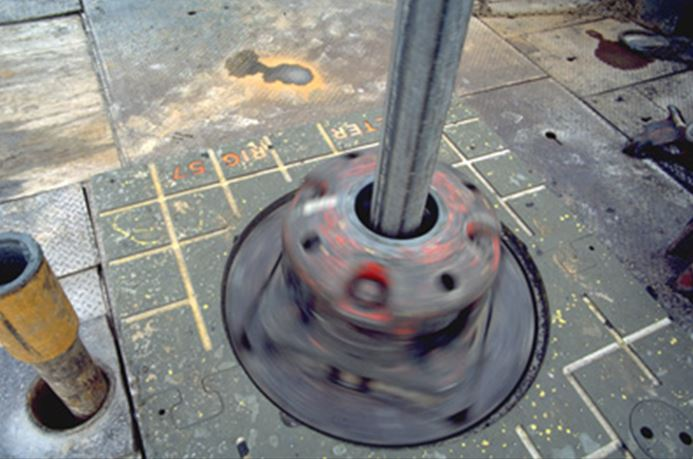
Figure 4: Rotary kellys effectively transfer rotational force from the rotary table to the drill string. Source: Joshua Doubek/CC BY-SA 4.0
Features
Rotary kellys possess several key features that enable them to effectively transfer rotational force from the rotary table to the drill string. Understanding these features helps in appreciating their functionality and importance in drilling operations. Here are some notable features:
Hollow Interior
Rotary kellys must allow for the passage of drilling fluid (mud) through the kelly, down the drill string, to the drill bit. Without this mud, drill strings could overheat and fail and pressure would be hard to maintain in the well.
Threaded Connections
Many rotary kellys are equipped with API Standard Threads. Standardized threads make for easy and secure attachment to the drill string during a drilling operation.
Safety Features
Drilling operations can be very dangerous. Safety features incorporated into the rotary kellys help make the operation safer. Stress relief grooves help prevent sudden failure and improve the kelly’s lifespan. Lifting eyes or bails also aid in safe handling and transportation on the drilling rig.
Wear and Corrosion Resistance
Some kellys have hardbanding on the square or hexagonal corners to resist wear. Surface treatments can be applied to resist corrosion from drilling fluids.
These features collectively ensure that the rotary kelly performs its critical role in the drilling process efficiently and safely. The choice of a specific type of kelly, as well as its specific features, is dictated by the nature of the drilling operation, the geological conditions, and the overall design of the drilling rig.
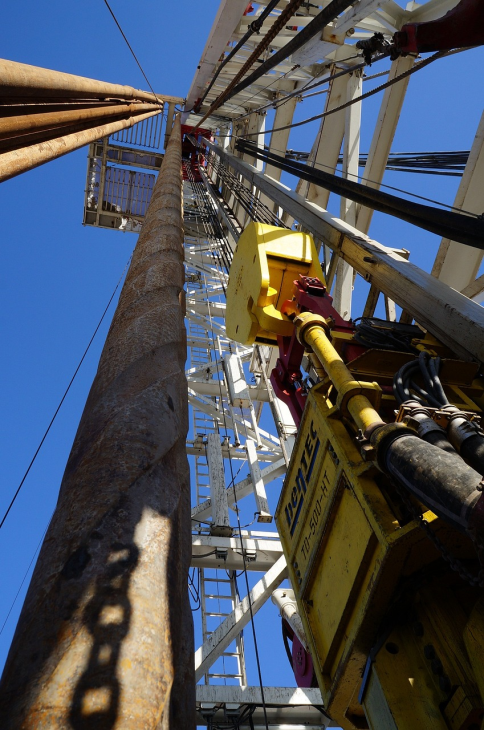
Figure 5: Some kellys have hardbanding on the square or hexagonal corners to resist wear. Source: Pixabay
Manufacture
The manufacturing process of rotary kellys involves several detailed and precise steps. These steps ensure that the kellys meet the necessary strength, durability, and functionality requirements for effective drilling operations. The key steps to manufacturing rotary kellys include:
- Material selection
- Forging or rolling
- Machining
- Hardbanding
- Inspection and testing
- Surface treatment
- Assembly and quality control
The manufacturing process begins with the selection of high-grade steel, which is critical for ensuring the strength and durability of the kelly. The steel is tested for quality to ensure it meets the required standards for strength and resilience. The steel is either forged or rolled into the desired shape, typically square or hexagonal. After shaping, the steel may undergo heat treatment to improve its mechanical properties, such as tensile strength and resistance to wear and fatigue.
The shaped steel is then machined to the precise dimensions required. This includes drilling the central hole for fluid passage and shaping the external profile. The ends of the kelly are threaded to allow for connection to the drill string. This threading must be precise to ensure a secure and leak-proof connection. Some kellys receive hardbanding on the corners or edges to provide additional resistance to wear. This is especially important for the square or hexagonal corners that experience the most wear.
Dimensional inspections involve inspecting the kelly for dimensional accuracy. Techniques like ultrasonic testing, magnetic particle inspection, or radiographic testing are used to detect any internal flaws or defects. Surface treatments, such as phosphating or coating with corrosion-resistant materials, are then applied to protect the kelly from harsh drilling environments.
Any additional components, such as lifting eyes or protective caps, are added. A final inspection is conducted to ensure the kelly meets all specifications and quality standards. The kelly is then certified for compliance with any applicable industry standards (like API standards).
This manufacturing process requires a high level of precision and quality control, as the integrity of the kelly is vital for the safety and efficiency of drilling operations. The specific methods and technologies used can vary between manufacturers, but the overall goal is always to produce a kelly that is strong, durable, and reliable under the demanding conditions of drilling operations.

Figure 6: In traditional rotary drilling operations, the kelly is used to transmit rotational force from the rotary table to the drill string, enabling the drill bit to penetrate geological formations. Source: Pixabay
Applications
Rotary kellys are primarily used in the oil and gas industry, specifically in the drilling of wells for the exploration and production of hydrocarbons. Their applications are closely tied to the various stages and methods of drilling operations. Here are some of the main applications:
Vertical Drilling
In traditional rotary drilling operations, the kelly is used to transmit rotational force from the rotary table to the drill string, enabling the drill bit to penetrate geological formations. The kelly is essential in the process of adding new sections of drill pipe to the drill string as drilling progresses deeper. Rotary kellys are also used in the initial stages of drilling to form the wellbore.
Underbalanced Drilling
In underbalanced drilling conditions, where the pressure in the wellbore is intentionally kept lower than the pressure of the formation, the kelly can be used to accurately control the drilling process.
Directional Drilling
While not as common as in vertical drilling, kellys can be used in some directional drilling operations, particularly when the deviation from the vertical is not extreme. For extreme deviations, more suitable drilling technologies exist.
Drilling Fluid Circulation
The hollow interior of the kelly allows for the circulation of drilling mud (fluid) from the surface to the drill bit, which is crucial for cooling the bit, removing cuttings, and maintaining well pressure.
Well Control
The kelly can be part of a well control system, incorporating valves and blowout preventers to manage well pressure and prevent blowouts. In some cases, the kelly can be used in wellbore intervention tasks, such as well clean-up or repair operations.
Core Sampling
In exploratory drilling, the kelly can be used to drill cores, which are then analyzed to determine the geological characteristics of the formation.
Top Drive Systems
In many modern rigs, particularly for complex or deep drilling operations, top drive systems have largely replaced the traditional rotary kelly system. However, kellys are still used in smaller or less complex drilling operations.
Their application is a testament to their fundamental role in drilling operations, particularly in environments where durability, reliability, and precision are paramount.
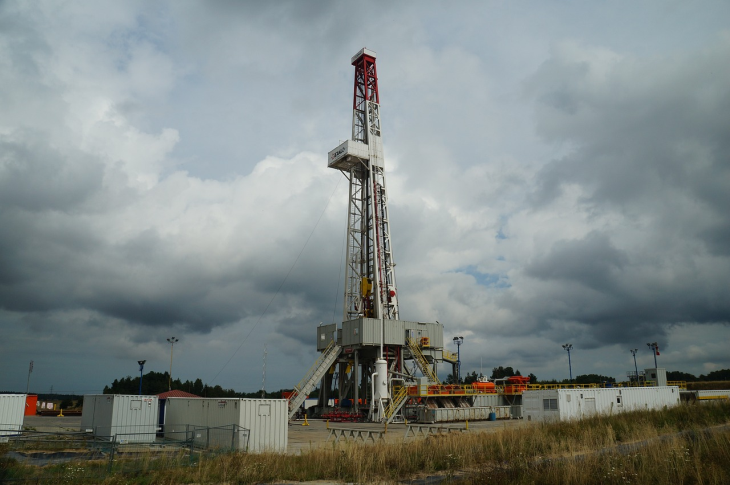
Figure 7: Rotary kellys, like many components used in the oil and gas industry, are subject to stringent industry standards. Source: Pixabay
Standards
Rotary kellys, like many components used in the oil and gas industry, are subject to stringent industry standards to ensure safety, reliability, and compatibility in drilling operations. The primary standards that apply to rotary kellys include those set by the American Petroleum Institute (API) and International Organization for Standardization (ISO). Some of the most important standards are listed below:
American Petroleum Institute (API) Standards
API Spec 7-1 covers the manufacturing processes, dimensions, quality, and testing of rotary drill stem elements, including kellys. It outlines requirements for design, material selection, manufacturing process, and quality control. API Spec 5D is for drill pipe and addresses requirements that are relevant to the connection and strength aspects of kellys, as they must be compatible with the drill pipe. API Spec 7-2 relates to threading and gauging for rotary shouldered thread connections, which is relevant to the threaded connections on the ends of the kelly.
International Organization for Standardization (ISO) Standards
ISO 10424-1 is similar to API Spec 7-1. This international standard specifies the technical delivery conditions for steel drill-pipe, including kellys. It covers material, manufacturing, and testing requirements.
Other Relevant Standards
NACE MR0175/ISO 15156 apply to equipment used in sour service environments (i.e., environments with high levels of hydrogen sulfide). These standards provide guidelines for material selection to prevent sulfide stress cracking. Various American Society for Testing and Materials (ASTM) standards may also be relevant, particularly those relating to the material properties and testing methods for steel.
Standards are crucial for ensuring the safety of drilling operations, as failure of a kelly can lead to serious accidents. Standards also ensure compatibility between different components of the drilling rig, particularly the kelly and the drill string. Adherence to standards is a mark of quality, giving operators confidence in the reliability and performance of the kelly. These standards reflect the collective knowledge and experience of the industry in manufacturing and utilizing drilling equipment, thereby playing a critical role in the advancement and safety of drilling technologies.