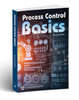
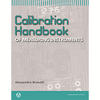
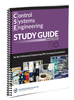
Technical Books Information
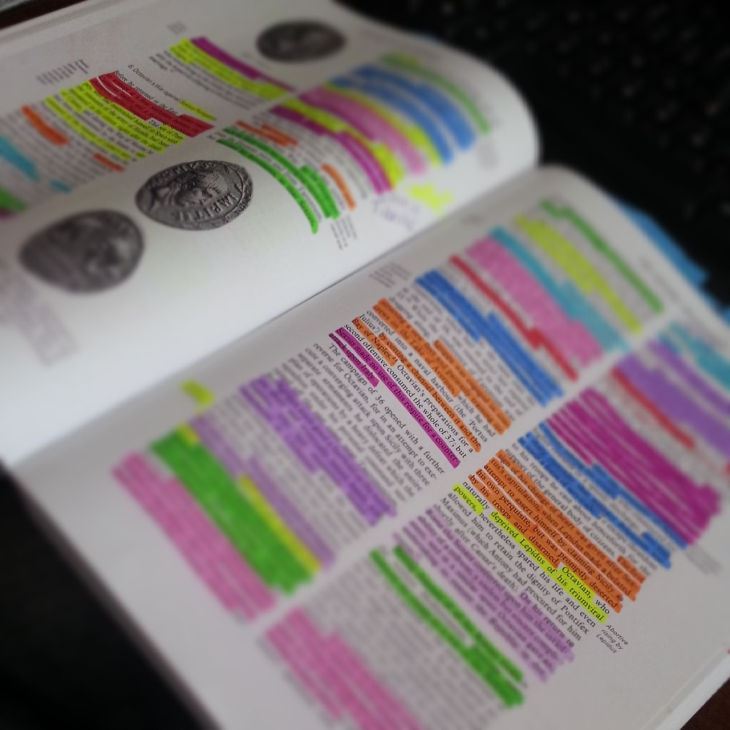
Figure 1: Transmitting technical information from person to person efficiently and effectively is a key component to driving innovation. Source: Pixabay
Transmitting technical information from person to person efficiently and effectively is a key component to driving innovation. Efficient information transfer allows for the building of knowledge without having to rediscover learnings that have already occurred. Books have proven to be one of the most effective methods for transferring this knowledge. Technical books are used to transmit ideas and knowledge on technical subjects to those curious to learn.
Theory of Operation
Technical books are more than just repositories of information; they are finely tuned instruments of knowledge transfer. At their core, these books aim to bridge the chasm between intricate technical concepts and the reader's understanding. The initial identification of the target audience is a critical foundation that sets up the structure of the rest of the information. By pinpointing the reader's existing knowledge level, authors can tailor the content to build upon what the reader already knows, ensuring a smoother transition into more advanced topics without repeating simpler concepts.
The structure of these books reflects a deep understanding of the learning process. Starting with an introduction doesn't just set the stage; it aligns the reader's mindset and expectations with the content that follows. The prerequisites section serves a dual purpose. Firstly, it reiterates essential foundational concepts, priming the reader for what's to come. Secondly, it helps to gauge the reader's readiness, ensuring they are equipped to understand the intricate details to come.
The main content's organized progression is not just stylistic but mirrors the cognitive process of building understanding: layer by layer, concept by concept. By first laying down the basics and gradually introducing complexity, the book respects the natural pace of learning, minimizing the risk of overwhelming the reader and ensuring information is transferred effectively.
Visual aids and real-world examples function to bridge the gap between theory and application. While technical information can often be abstract, visuals and examples ground these concepts in reality, making them more relatable and easier to grasp. This balance between abstraction and practicality is vital in ensuring that the conveyed knowledge is not just understood but also retained.
The dynamic nature of technical fields necessitates that these books remain living documents, evolving in tandem with advancements in the domain. Regular updates and new editions are often additions and recalibrations, ensuring that the knowledge imparted remains cutting-edge and relevant.
In essence, every component of a technical book, from its structure to its content, is meticulously crafted to facilitate the effective transmission of high-level, technical information. It's a blend of pedagogy and expertise, designed to usher readers from curiosity to comprehension.

Figure 2: Specifications for technical books refer to the set standards, guidelines, or criteria that authors, publishers, and designers follow to ensure the book effectively communicates its intended information .Source: Pixabay
Specifications
Specifications for technical books refer to the set standards, guidelines, or criteria that authors, publishers, and designers follow to ensure the book effectively communicates its intended information. These specifications can vary based on the subject, target audience, and publisher, but some general specifications include:
Content Specifications
Accuracy is incredibly important for technical books. Without accuracy, a technical book cannot be trusted. All technical details, formulas, code snippets, and data should be accurate and up-to-date. The content should cover the topic in sufficient depth, depending on the target audience. The material should be pertinent to the intended audience and purpose of the book.
Format and Structure
Consistent formatting helps the reader process the information effectively, especially given the length of many technical books. Consistent formatting for headings, sub-headings, bullet points, and other textual elements allows the reader to understand how the information is structured. Logical progression from introductory to advanced topics makes the information more accessible. A comprehensive index makes a technical book more functional for quick references by helping readers locate specific topics or terms. Additionally, a clear and organized table of contents (TOC) provides an overview and easy navigation of the information contained in the book.
Visual Specifications
High-quality visuals like diagrams and illustrations should be labeled clearly and accurately. A uniform visual style for all diagrams, tables, and illustrations gives the technical book a cohesive feel. Graphics should also be clear and legible, even if the book is printed in black and white.
Physical Specifications (for printed versions)
Technical books are often kept for long periods of time. They should be printed on durable paper that's easy to write on. Robust binding, especially for books that will see heavy use, is critical for a technical book to stay useful. A durable and informative cover, often with a spine that clearly displays the book's title and author, is another key specification of technical books.
Interactivity (for digital versions)
Hyperlinking with links to relevant sections, external resources, or citations is one of the biggest benefits of a digital technical book and should be carefully included. Interactive elements like quizzes, simulations, or other interactive components enhance learning and retention. Search functionality also gives readers the ability to search terms or topics within the digital book.
Accessibility
Use of fonts that are easy to read, with adequate size and spacing is crucial. For digital versions, providing alt text for images or diagrams to assist visually impaired readers is a must. Digital versions should also have adaptive layouts to accommodate different devices and screen sizes.
Bibliography and Citations
Credibility is a key element for any technical book. Sources should be cited with references to maintain credibility and allow readers to delve deeper. Use of a standard citation format (e.g., APA, MLA, IEEE) is good practice.
Supplementary Materials
Appendices with additional information, glossaries, or extended data allow readers to supplement knowledge in certain areas without interrupting the flow of the rest of the book. Exercise sections with problems, questions, or tasks for readers to practice and test their understanding helps with retention and understanding. Solutions or explanations for the exercises, preferably in a separate section or accompanying manual, allow readers to check their work and see the process used to arrive at an answer.
These specifications aim to ensure that the technical book not only conveys its content effectively but is also user-friendly, durable (for printed versions), and accessible to a wide range of readers.

Figure 3: Technical books span a vast range of topics and serve various purposes. Source: Pixabay
Types
Technical books span a vast range of topics and serve various purposes. Here are some of the different types of technical books, categorized based on their primary function or subject matter:
Textbooks
These technical books are designed for academic courses, ranging from high school to postgraduate levels. They typically follow a curriculum or syllabus and are designed to fulfill the requirements of a particular course or multiple courses.
Reference Books
Reference books provide detailed information on specific topics. Meant for quick consultation rather than cover-to-cover reading, examples of these books include encyclopedias, dictionaries, and handbooks.
Manuals and Guides
These technical books provide detailed instructions on how to use a particular product, software, or system. Manuals and guides can come in the firm of user manuals for electronics, software documentation, or other informative products.
Tutorials and Workbooks
Step-by-step guides for learning a particular skill or tool can also be types of technical books. Often these books include exercises and practice problems to help the user practice the concepts being learned. Examples of these technical books include programming tutorials, design software workbooks, and engineering practice workbooks.
Research Journals and Monographs
Detailed explorations of specific research topics often happen in research journals and monographs. Often written by experts in the field, these technical books often include ground breaking research and discoveries. Examples of these technical books include scientific journals and research publications on niche topics.
Certification and Exam Preparation Books
Designed to help individuals prepare for professional certifications or exams, these technical books are highly focused on key areas. They typically include practice tests, study strategies, and key concepts. Books for IT certifications and medical licensing exams are examples of these books.
Survey and Overview Books
Survey and overview books provide a broad overview of a particular field or topic. They aim to introduce readers to the breadth of a subject rather than its depth. Examples include introductory books on artificial intelligence or overviews of historical technological advancements.
Case Studies and Reports
Detailed analyses of specific events, projects, or studies are often contained in case studies and reports. These technical books offer insights and lessons from real-world scenarios. Post-mortem analysis of IT projects, medical case studies, and engineering case studies are all examples of these technical books.
Ethics and Philosophy
Ethics and philosophy books delve into the ethical considerations and philosophical implications of technological advancements. These books may be on subjects like the ethics of AI or discussions on the societal impact of biotechnologies.
Each type of technical book serves a distinct audience and purpose, from aiding learning and professional development to offering insights into specific industries or research topics.

Figure 4: Technical books are distinct in their design and presentation to ensure that complex information is conveyed clearly and effectively. Source: Pixabay
Features
Technical books are distinct in their design and presentation to ensure that complex information is conveyed clearly and effectively. Here are some key features commonly found in technical books:
Detailed Table of Contents
A detailed table of contents provides an overview of the book's structure and helps readers navigate to specific sections or topics. It also serves as a bit of a roadmap for the reader to understand how the book will progress through various topics.
Abstracts or Introductions
At the beginning of chapters or sections, abstracts and introductions give a brief overview of what the reader can expect in the subsequent pages. These function to prime a reader to better receive the information that is to come.
Figures, Diagrams, and Illustrations
Visual representations help clarify complex concepts, processes, or systems. Oftentimes a good diagram or illustration is much more effective at communicating information than words.
Consistent Terminology
Due to the technical nature of the content, consistent terminology ensures clarity by using standardized terms and definitions throughout the book.
Sidebars and Callouts
These features highlight key points, additional information, or real-world examples relevant to the main text.
Formulas and Equations
Especially in scientific or engineering texts, these represent mathematical or theoretical concepts. In both of these fields, understanding the formulas or equations that underlie concepts is critical to understanding.
Code Snippets
Found in programming or software-related books, code snippets provide practical examples of concepts discussed.
Tables and Charts
Just like figures and illustrations, tables and charts can more effectively communicate certain types of information. They can be used to summarize data, comparisons, or relationships in an easily digestible format.
Footnotes and Endnotes
Footnotes and endnotes offer additional information, explanations, or references related to the main content. These features can help provide clarity or context without breaking the flow of the book’s section.
Glossary
A glossary defines technical terms, jargon, or acronyms used in the book.
Bibliography or References
A bibliography and references lists sources, further readings, or research papers related to the content. These features give the reader the ability to go deeper on bits of content in a given section if they so choose.
Index
An index is an alphabetical listing of topics, terms, or figures, helping readers quickly locate specific information.
Exercise Sections
These features allow readers to practice or test their understanding of the material.
Summary or Recap
Found at the end of chapters, summary sections reinforce key points and concepts covered.
Case Studies
Case studies offer real-world examples or applications of the theoretical content discussed. Case studies often provide a more practical point of view to help the reader understand how the information is applied to a real-world scenario.
Appendices
This feature contains supplementary information that's relevant but not central to the main text.
QR Codes or Links (in modern books)
These features direct readers to online resources, videos, or supplementary digital content. They can be a convenient way to direct readers to further information on a given topic.
Interactive Elements (in digital versions)
Quizzes, simulations, or interactive diagrams that enhance the learning experience are great features of digital technical books.
Search Functionality (in digital versions)
Search functionality enables readers to quickly find terms or topics within the book.
These features, while not exhaustive, are commonly employed in technical books to enhance clarity, aid comprehension, and provide a comprehensive and structured approach to complex topics.

Figure 5: The manufacturing of technical books involves a series of intricate steps. Source: Pixabay
Manufacture
The manufacturing of technical books involves a series of intricate steps, from content creation to the final distribution of printed copies. This process ensures the material is presented in a high-quality, durable format suitable for its intended audience.
Content Creation and Preparation
Arguably the hardest part of manufacturing a technical book is the content creation. The journey of a technical book begins with the author or authors drafting the content. This includes writing the text, creating diagrams, and generating any other relevant material.
Once the initial draft is complete, the manuscript undergoes rigorous editing to ensure accuracy, clarity, and coherence. Technical editors, often experts in the subject matter, review the content for precision and correctness, while copy editors focus on language, grammar, and style.
Design and Layout
After editing, the book's design phase commences. Designers choose appropriate fonts, layouts, and visual styles to ensure the book is both aesthetically pleasing and easily readable. The placement of diagrams, tables, and images is carefully planned, ensuring they complement the surrounding text. The design process also involves creating an attractive and informative cover that reflects the book's content and appeals to its target audience.
Pre-Press
Once the design is finalized, the book enters the pre-press stage. Here, the digital files are prepared for printing. This involves ensuring that all elements are in the correct format, colors are calibrated for printing, and any final corrections are made. Proofs, or preliminary versions of the book, are often generated at this stage for final review.
Printing
With the proofs approved, mass printing begins. The choice of printing method typically depends on the volume of books to be produced. Offset printing, a common method for large quantities, involves transferring ink from plates to rubber blankets, and then onto the printing surface. The quality of paper chosen can vary based on budget, intended book longevity, and the type of content (for instance, color images might demand higher quality paper). Bindings, too, are selected based on durability requirements and cost considerations.
Binding and Finishing
After printing, the sheets are folded, gathered, and bound together. There are various binding techniques, such as perfect binding (used for many softcover books) and case binding (used for hardcovers). The chosen method often depends on the book's size, purpose, and desired lifespan. Once bound, the books might undergo additional finishing processes, like cutting to final size or adding cover finishes for added durability or aesthetic appeal.
Distribution
The final step in the manufacturing process is distribution. Completed books are packaged and shipped to distributors, retailers, or directly to educational institutions. In the case of technical books, they might also be sent to professional conferences, seminars, or workshops.
In recent years, with the advent of digital technology, many technical books are also offered in electronic formats, bypassing some of the traditional printing and distribution steps. However, for printed versions, this systematic process ensures that the technical content is presented in a format that's both functional and durable.
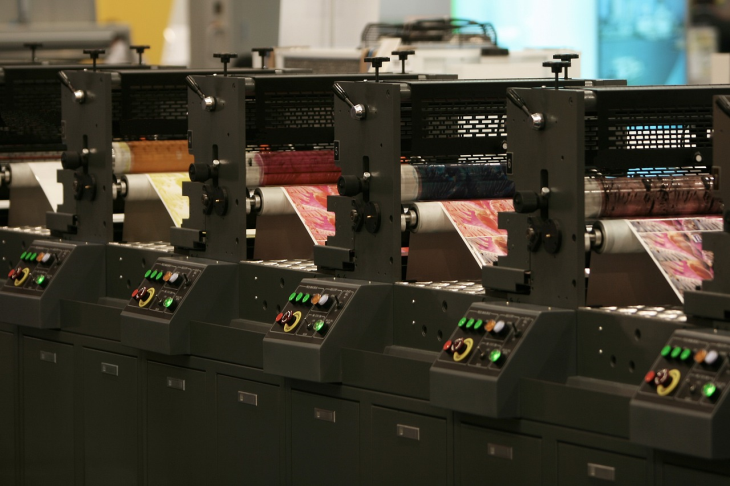
Figure 6: Technical books serve myriad purposes across various domains and industries. Source: Pixabay
Applications
Technical books serve myriad purposes across various domains and industries. Here are some of the primary applications for technical books:
Education and Training
Technical books are fundamental resources in academic institutions, offering students detailed insights into specific subjects. They serve as primary texts in undergraduate, graduate, and postgraduate courses in disciplines like engineering, computer science, medicine, and more.
Professional Development
For professionals looking to advance or update their skills, technical books provide in-depth knowledge on new techniques, technologies, or methodologies. Many professionals use these books to prepare for certification exams in fields like IT, project management, and engineering.
Research Reference
Researchers and scientists often rely on technical books to gain foundational knowledge or to stay updated on advancements in their field. These books can also provide methodologies, statistical techniques, and case studies that can aid in research.
Instructional Guidance
Manuals and guides offer step-by-step instructions on using specific tools, software, or equipment. They're invaluable for users unfamiliar with a particular system or technology.
Industry Insight
Technical books that analyze specific industries or markets can offer insights into current trends, challenges, and future predictions. Such analyses can be pivotal for business strategists, policymakers, and investors.
Ethical and Philosophical Exploration
With technology's rapid evolution, many technical books delve into the ethical, societal, and philosophical implications of these advancements, fostering discussions on their broader impact.
Standardization
Certain technical books serve as standards references, detailing protocols, norms, or guidelines for specific industries or practices. Examples of these include coding standards in software development or safety protocols in manufacturing.
Hands-on Practice
Workbooks and tutorial-style technical books offer readers a chance to practice skills, from coding tasks to laboratory experiments, reinforcing theoretical knowledge with practical application.
Product and Service Documentation
Companies often produce technical books or manuals detailing the functionalities, maintenance procedures, and troubleshooting steps for their products or services.
Regulation and Compliance
Technical books can outline regulatory standards, helping industries and businesses ensure they adhere to legal or safety requirements.
In essence, the applications for technical books are vast and varied, catering to students, professionals, researchers, and hobbyists alike. They not only serve as reservoirs of knowledge but also as tools for skill development, reflection, and innovation.

Figure 7: Standards for technical books ensure that the content is accurate, clear, accessible, and consistent. Source: Pixabay
Standards
Standards for technical books ensure that the content is accurate, clear, accessible, and consistent. While there isn't a single universal standard for all technical books, several criteria and guidelines are commonly accepted within the publishing and technical communication communities. Here are some of the primary standards and considerations that apply to technical books:
Accuracy and Reliability
Technical books must present information that is factually correct and up-to-date. This is crucial because readers often rely on these books for educational, professional, or research purposes. The language used should be clear and devoid of ambiguity. Technical terms should be defined, and concepts should be explained in a manner that's easy to understand.
Structural Standards
Books should have a logical organization, typically starting with foundational concepts and progressing to more advanced topics. Standard elements like a table of contents, index, glossary, and bibliography should be included.
Citation and Referencing Standards
Sources, research, and external references should be cited consistently using a recognized citation style (e.g., APA, MLA, IEEE).
Accessibility Standards
Technical books, especially digital versions, should be designed with accessibility in mind. This includes considerations for readers with visual or other impairments, such as providing alternative text for images or ensuring content is screen-reader friendly.
Ethical Standards
Plagiarism is a serious offense in publishing. Original work or properly cited content is a must. Additionally, any potential conflicts of interest should be declared.
Quality of Production
For printed books, considerations like paper quality, print clarity, and binding durability are crucial. For digital books, factors like file format compatibility, interactive elements, and digital rights management (DRM) come into play.
While these standards provide a general framework, individual publishers, institutions, or industries might have additional guidelines or criteria for their technical publications. The overarching goal is always to produce reliable, clear, and user-friendly content.