Aerostructures Information

Figure 1: Aviation changed the course of history by giving man the ability to fly. Source: Pixabay
Aviation changed the course of history by giving man the ability to fly. This amazing feat is a result of components of an aircraft’s frame referred to as aerostructures. Aerostructures provide aircraft with the ability to generate lift through wings, adjust flight through flight controls, and protect passengers via the fuselage among many other things. Aerostructures play many different roles and are all critical to an aircraft’s performance, safety, and reliability.
Theory of Operation
Aerostructures belong to a complex field that involves integrating principles from various disciplines to ensure aircraft structures withstand aerodynamic forces during flight. At its core is aerodynamics, the study of airflow over the aircraft, which dictates the design to optimize lift and minimize drag. The lift equation is typically represented as:
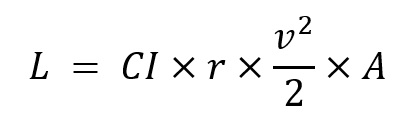
The equation defining lift is the product of a lift coefficient (CI), the density of the fluid (r), the velocity or the aerostructure (v), and the wing area (A). The aerostructure’s lift coefficient is often determined experimentally. Solving for lift allows for the prediction of an aerostructure’s performance.
Equally important is material science, where the challenge lies in selecting lightweight yet strong materials like aluminum alloys and composites, balancing properties such as tensile strength, fatigue resistance, and corrosion resistance. Load analysis is a critical aspect, requiring a thorough understanding of the various forces an aircraft encounters, including lift, weight, thrust, drag, and environmental factors like wind and temperature changes.
This analysis is closely tied to stress and strain analysis, where the focus is on how materials deform under stress and ensuring the structure can withstand operational stresses without failure. Constant vibration during flight can lead to structural fatigue, affecting both the integrity of the aircraft and passenger comfort, which makes vibration analysis an equally important aspect of aerostructure design.
Safety and redundancy are paramount in aerostructure design. Creating redundancies in critical structural elements to maintain operation even if one component fails is essential. The integration with other aircraft systems, such as hydraulics, avionics, and propulsion, is also crucial. This integration includes considerations for the efficient layout of wiring, fuel lines, and maintenance pathways.
No matter what function a specific aerostructure performs, it must do it well and it must be reliable. All aerostructures must be able to come together to allow the aircraft to operate as designed.

Figure 2: Specifications for aerostructures refer to the detailed requirements and standards that these structures must meet to ensure safety, reliability, and performance of an aircraft. Source: Pixabay
Specifications
Specifications for aerostructures refer to the detailed requirements and standards that these structures must meet to ensure safety, reliability, and performance of an aircraft. These specifications cover a wide range of factors:
Material Specifications
One of the most important parameters for an aerostructure, the material specification includes the types of materials that can be used (e.g., aluminum alloys, composites, titanium). Additionally, the specification outlines their properties (such as strength, weight, and corrosion resistance), and how they should be treated or processed.
Design Criteria
Detailed design requirements are required for various structural components like wings, fuselage, tail sections, and landing gear. This involves dimensions, shapes, load-bearing capacities, and aerodynamic characteristics.
Load Requirements
Specifications for the loads (like lift, weight, thrust, and drag) that the structure must withstand during various phases of flight, including takeoff, cruising, and landing are required. The aerostructure must also perform under different environmental conditions with these loads.
Stress and Strain Limits
Clear guidelines on the maximum stress and strain that different parts of the structure can endure ensure the limits of an aircraft’s performance are well known. These limits include both static and dynamic loads, fatigue limits, and factors of safety.
Vibration and Acoustic Criteria
Standards for allowable vibration levels and noise reduction are especially important for passenger comfort and structural integrity. Vibration can lead to sudden fatigue failures of an aerostructure over time if not carefully accounted for.
Manufacturing Standards
Guidelines on how aerostructures should be manufactured, including processes like machining, welding, bonding, and assembly ensure that parts from different manufacturers are made to the same standard. These standards also include quality control measures and tolerances.
Testing and Certification Requirements
This specification outlines requirements for various types of tests (like stress tests, fatigue tests, and wind tunnel tests) that aerostructures must undergo for certification. These tests simulate operational conditions to validate design and manufacturing quality.
Maintenance and Inspection Guidelines
Aerostructure performance is critical to safety and proper function. Specifications for regular maintenance and inspection procedures detail how often different components should be inspected, what methods should be used, and criteria for repair or replacement.
Environmental Compliance
Requirements related to environmental impact, such as fuel efficiency standards, emissions regulations, and use of environmentally friendly materials are also important specifications.
These specifications are essential for aerostructure designers, engineers, and manufacturers to create aircraft that are not only efficient and effective but also safe for both crew and passengers under a wide range of operating conditions.
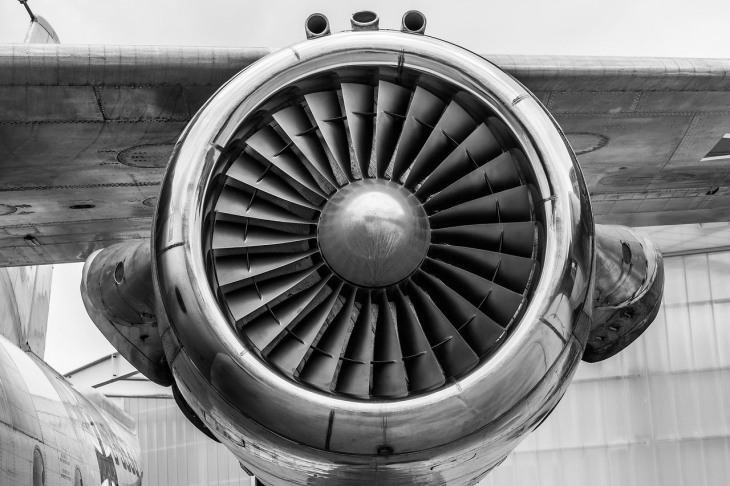
Figure 3: Aerostructures are fundamental components of an aircraft. Source: Pixabay
Types
Aerostructures are fundamental components of an aircraft, each designed to fulfill specific functions while collectively ensuring the aircraft's structural integrity and performance. The primary types of aerostructures include:
Fuselage
The fuselage is the main body of the aircraft, housing the cockpit, passenger cabin, and cargo space. It's a critical structure that connects all other major parts of the aircraft, like wings and tail, and must withstand various stresses while maintaining aerodynamic efficiency.
Wings
Wings are crucial for generating lift, allowing the aircraft to fly. They house important components like flaps, ailerons, and sometimes fuel tanks. Wings must be strong enough to handle lift forces and flexible enough to absorb turbulence without sustaining damage.
Empennage
The empennage, or tail section, includes the horizontal and vertical stabilizers. These structures provide stability and control in flight. The horizontal stabilizer controls pitch, and the vertical stabilizer controls yaw.
Landing Gear
This includes all components that allow the aircraft to takeoff, land, and taxi on the ground. The landing gear must be robust to withstand the substantial forces during landing and often includes shock-absorbing mechanisms.
Control Surfaces
These are movable sections on the wings, tail, and sometimes the fuselage that allow the pilot to control the aircraft's attitude and direction. They include ailerons, elevators, rudders, and flaps.
Nacelles and Pylons
Nacelles are housings that contain the aircraft's engines. Pylons are structures that connect the engines to the wings or fuselage. Both must be designed to withstand high temperatures and stresses while minimizing aerodynamic drag.
Flight Control Systems
These are the structural components that house and support the mechanical and hydraulic systems used to control the aircraft's flight. They include linkages, pushrods, and hydraulic lines.
Aircraft Skin
The outer surface or 'skin' of the aircraft covers the fuselage, wings, and empennage. It's designed to be lightweight yet strong, contributing to the overall aerodynamic profile of the aircraft.
Spars and Ribs
These are internal structural elements of the wings and empennage. Spars run along the length of the wings, providing primary structural support, while ribs run perpendicular to the spars, helping to maintain the shape and integrity of these structures.
Bulkheads and Frames
Bulkheads are vertical structural elements within the fuselage that add rigidity and separate different sections of the aircraft. Frames are circular or semi-circular elements that provide structural support and help maintain the fuselage's shape.
Each of these aerostructures plays a specific role in ensuring the aircraft's performance, stability, and safety. They are designed and constructed with precision and high standards to withstand the stresses of flight and environmental conditions.
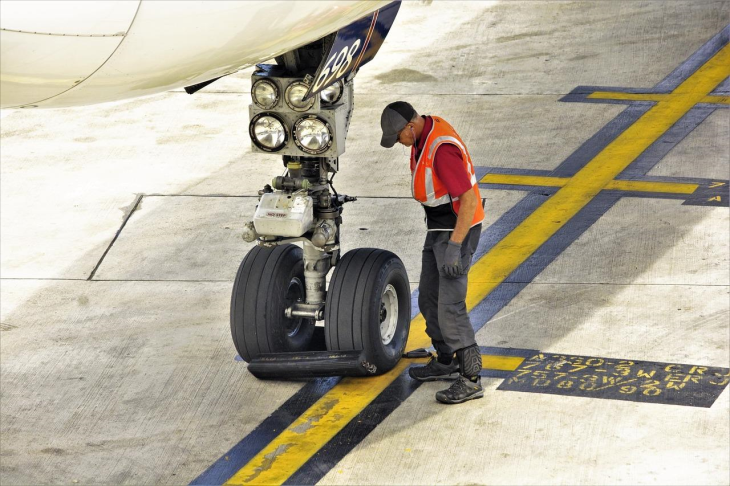
Figure 4: Aerostructures are typically made from materials like aluminum alloys, advanced composites, and sometimes titanium. Source: Pixabay
Features
Aerostructures, which form the core components of an aircraft, possess a range of features designed to ensure safety, performance, and durability. These features include:
Lightweight Construction
Aerostructures are typically made from materials like aluminum alloys, advanced composites, and sometimes titanium, which provide high strength-to-weight ratios. This lightweight construction is crucial for fuel efficiency and overall performance.
Aerodynamic Design
The shapes and contours of aerostructures are optimized for aerodynamic efficiency. This minimizes drag and maximizes lift, essential for smooth and efficient flight.
High Strength and Durability
Despite being lightweight, aerostructures must withstand considerable stresses, including aerodynamic forces, pressure differentials, and environmental factors. They are designed for high strength and durability to endure these conditions throughout the aircraft's lifespan.
Fatigue Resistance
Given the cyclic loading and unloading experienced during take-offs, flights, and landings, aerostructures are designed to resist fatigue. This involves selecting materials and designs that can endure repeated stress without failure.
Corrosion Resistance
Aerostructures are often exposed to harsh environments, including varying temperatures and humidity levels. Materials and coatings that resist corrosion are crucial to maintain structural integrity.
Modularity and Integrability
Modern aerostructures are designed for modularity, allowing for easier assembly, maintenance, and potential upgrades. They must also integrate seamlessly with other aircraft systems like hydraulics, fuel, and avionics.
Vibration Dampening
Aircraft structures are subjected to various vibrations from engines and aerodynamic forces. Aerostructures are designed to absorb and dampen these vibrations, contributing to structural longevity and passenger comfort.
These features collectively contribute to the overall functionality and safety of the aircraft, making modern aerostructures sophisticated elements of aerospace engineering.
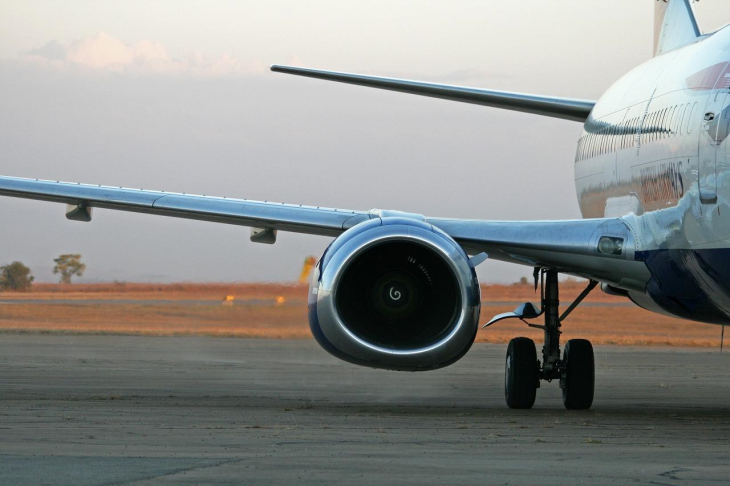
Figure 5: Manufacturing aerostructures is a complex and highly specialized process. Source: Pixabay
Manufacture
Manufacturing aerostructures is a complex and highly specialized process, involving multiple steps and advanced technologies. The key stages in the manufacturing of aerostructures include:
- Design and engineering
- Material selection
- Material processing
- Machining and fabrication
- Assembly
- System integration
- Quality control
Building an aerostructure begins with detailed design and engineering, where tools are used to create precise models of the aerostructures. This stage involves extensive simulations and analyses to ensure that the designs meet all necessary specifications and performance criteria.
Based on the design requirements, appropriate materials are selected. Common materials include aluminum alloys, titanium, composite materials, and sometimes advanced plastics. The choice of material depends on factors like strength, weight, durability, and resistance to environmental conditions. Materials are processed to achieve the desired properties and shapes. This can include casting, forging, and heat treatment for metals, and layup, curing, and molding for composites.
The processed materials are then machined into specific parts. This involves cutting, drilling, and shaping using various tools and machinery, such as computer numerical control (CNC) machines, which offer high precision. Individual parts are assembled to form larger components of the aerostructure. This can involve bolting, riveting, welding, and bonding. Precision and accuracy are crucial in this stage to ensure that all parts fit together perfectly.
In the next phase, various systems such as electrical, hydraulic, and avionics are integrated into the aerostructure. This requires careful planning to ensure that these systems function seamlessly with the structural components.
Throughout the manufacturing process, rigorous quality control and inspection are conducted. This includes non-destructive testing methods like x-ray, ultrasonic testing, and visual inspections to ensure that every component meets the required standards.
The final step involves surface treatments such as painting, coating, or anodizing to protect the aerostructure from environmental elements and corrosion. These treatments also play a role in the aircraft's aesthetic and branding. Finally, the completed aerostructures are delivered to the aircraft manufacturer, where they are integrated into the final aircraft assembly.
The entire process requires close collaboration between designers, engineers, material scientists, and manufacturing specialists. Advanced technologies and stringent quality control measures are integral to this process, ensuring that the aerostructures meet the exacting standards required for aircraft performance and safety.
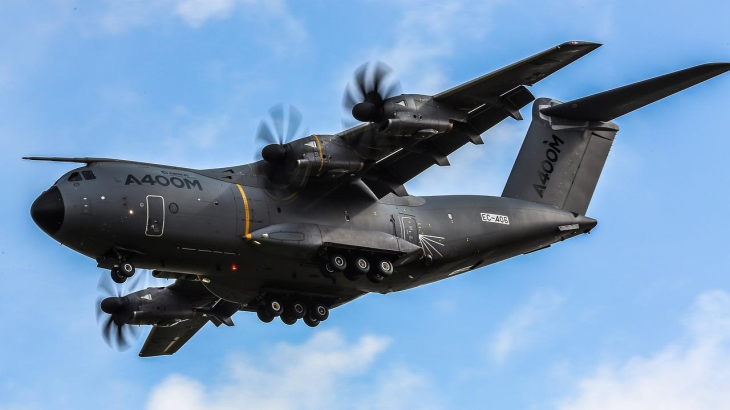
Figure 6: Aerostructures, as critical components of aircraft design, find applications in various segments of the aerospace industry. Source: Pixabay
Applications
Aerostructures, as critical components of aircraft design, find applications in various segments of the aerospace industry. Their primary applications include:
Commercial Aviation
Commercial airliners rely heavily on advanced aerostructures for their fuselage, wings, tail sections, and other components. These structures are designed for efficiency, safety, and passenger comfort, and they are crucial in defining the performance characteristics of commercial aircraft.
Military Aviation
Military aircraft, including fighters, bombers, and transport planes, utilize specialized aerostructures that are often designed for higher performance, stealth capabilities, and durability under extreme conditions.
Private and Business Jets
In the private aviation sector, aerostructures are tailored for smaller aircraft and business jets. Here, the focus is often on optimizing for speed, luxury, and efficiency.
Cargo and Freight Aircraft
Aerostructures in cargo planes are designed to accommodate large, heavy loads, with features like reinforced floors and structures that facilitate easy loading and unloading of goods.
Spacecraft and Satellites
Although different from traditional aircraft, spacecraft, and satellites also utilize aerostructures. These are designed to withstand the harsh conditions of space, including extreme temperatures and the vacuum of space.
Helicopters
Helicopter aerostructures are unique due to the rotary-wing configuration. They require specialized designs for rotor blades, fuselage, and tail booms to accommodate the different aerodynamic forces at play in helicopter flight.
Supersonic and Hypersonic Aircraft
These high-speed aircraft require aerostructures that can withstand extreme aerodynamic heating and stresses, pushing the limits of material science and aerodynamic design.
Airframe Maintenance and Repair
Aerostructures are not just about new aircraft; they are also vital in the maintenance, repair, and overhaul sector, where old aircraft are kept in serviceable condition, and damaged structures are repaired or replaced.
The development and application of aerostructures are pivotal in advancing aerospace technology, contributing to more efficient, safer, and more capable aircraft across various sectors of the industry.

Figure 7: The development and application of aerostructures are pivotal in advancing aerospace technology. Source: Pixabay
Standards
Standards for aerostructures are critical to ensure safety, reliability, and performance in the aerospace industry. These standards are set by various regulatory bodies and organizations, and they cover a wide range of aspects from design to manufacturing and maintenance. Some key standards and regulations are listed below.
Federal Aviation Administration (FAA) Regulations
In the United States, the FAA sets standards for all aspects of civil aviation, including aerostructures. These regulations cover design requirements, maintenance, testing, and certification processes. The most relevant parts for aerostructures are often found in the 14 Code of Federal Regulations (CFR), particularly in parts 25, 23, 27, and 29, which deal with airworthiness standards for different categories of aircraft.
European Union Aviation Safety Agency (EASA) Regulations
EASA is the central regulatory body for aviation safety in Europe. Similar to the FAA, EASA sets comprehensive standards for aerostructures, including design, testing, certification, and maintenance. EASA's regulations are crucial for manufacturers who want to operate in the European market.
Aerospace Material Specifications (AMS)
These are standards for materials used in the aerospace industry, including metals, polymers, composites, and coatings. AMS standards ensure that materials used in aerostructures meet specific requirements for quality and performance.
ASTM International Standards
ASTM International provides a wide range of standards that are used in the design and testing of aerostructures. These include specifications for materials, processes, and testing methods.
ISO Standards
The International Organization for Standardization (ISO) sets global standards for various industries, including aerospace. ISO standards relevant to aerostructures might cover quality management systems (like ISO 9001), environmental management (ISO 14001), and specific technical aspects of materials and manufacturing processes.
MIL-STD and MIL-SPEC Standards
In the United States, the Department of Defense issues MIL-STD (Military Standards) and MIL-SPEC (Military Specifications) for military aircraft. These standards are often more rigorous than civilian standards and may include specific requirements for durability, performance under extreme conditions, and interoperability.
Adherence to these standards is crucial not only for legal compliance and certification but also to ensure the highest levels of safety and performance in the aerospace industry. Manufacturers, designers, and operators must all comply with these standards throughout the life cycle of aerostructures.
References
Ardel Engineering—Manufacturing 101: Breaking Into The Aerospace Industry
Collins Aerospace—Aerostructures
Embry-Riddle Aeronautical University—Aerospace Structures
UC Davis—Areas of Interest in Aerospace Engineering
University of Illinois Urbana-Champaign—Aerospace Systems Design and Simulation
MSCDirect—4 Aerospace Materials that are Taking Off
Mototok—Composite Materials In Aerospace Manufacturing
NASA—Design and Manufacturing Guideline for Aerospace Composites
ProtoLabs—Aerospace Manufacturing Methods for Prototyping and Production
Related Information
GlobalSpec—Accelerating nacelle technology for use in supersonic airliners