
Phasor Data Concentrators (PDC) Information
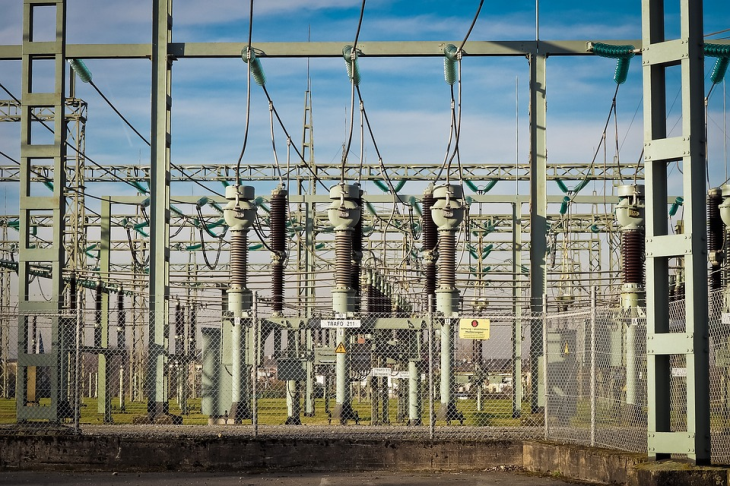
Figure 1: PDCs are essential components of modern power system monitoring, especially within wide area measurement systems (WAMS). Source: Pixabay
Phasor data concentrators (PDCs) play an important role in concentrating, validating, and transmitting critical information about electrical transmission systems. A synchrophasor network consists of many phasor measurement units (PMUs) collecting and transmitting data to PDCs. Ensuring that electrical systems maintain proper voltage, phase, and current throughout the system is needed to keep the entire system operating as designed. PDCs collect information about the system’s key parameters, mark the information to the correct point in time, and then transmit that information to other PDCs or downstream controllers.
Theory of Operation
PDCs are essential components of modern power system monitoring, especially within wide area measurement systems (WAMS). They are designed to collect, time-align, process, and aggregate PMU data, which are synchronized measurements of voltage and current phasors, frequency, and rate of change of frequency from different locations in the power grid. The data generated from PMUs must be aggregated and transmitted to downstream controllers in a highly reliable and efficient manner.
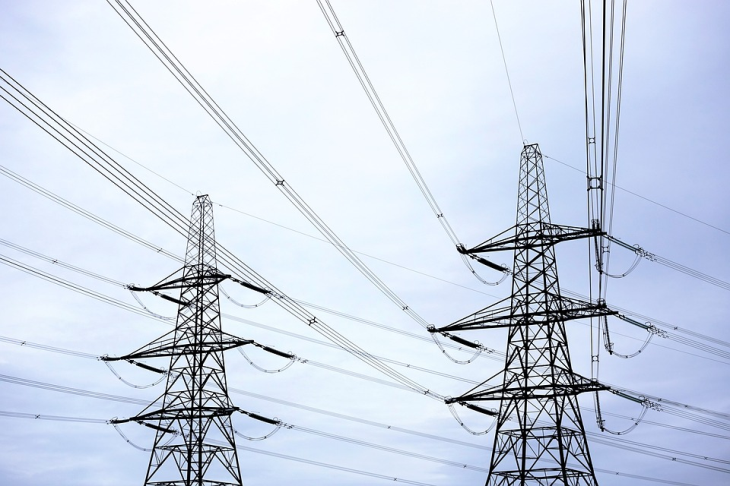
Figure 2: PMUs are deployed to capture high-resolution point data from throughout the grid. Source: Pixabay
Data Collection
Throughout a power grid, PMUs are deployed to capture high-resolution point data from throughout the grid. The PMUs then transmit their measurements using standard communication protocols to PDCs.
Time Alignment
As PMUs use GPS-based time synchronization to timestamp their measurements, PDCs can time-align the received data by comparing the timestamps. All of the data measurements are marked to UTC time to ensure consistency across measurements. With all measurements synchronized in time, various measurements can be accurately compared. These disparate measurements all aligned in time allow for a coherent representation of the entire power system's state.
Data Processing
PDCs process the time-aligned data, performing tasks such as filtering, interpolation, or extrapolation to handle missing or erroneous data, and computation of derived quantities such as power flows, angles, and other electrical parameters.
Data Aggregation
PDCs aggregate the processed data from multiple PMUs, creating a comprehensive view of the power system's state. While PDCs do not typically store data, they do have input buffers that allow for data to be aggregated before transmission. This data can be further processed and analyzed for applications such as state estimation, oscillation monitoring, and fault detection.
Data Transmission
PDCs can transmit the aggregated data to various entities within the power system, such as control centers, utilities, and other PDCs, facilitating real-time monitoring, control, and decision-making.
PDCs play a crucial role in enhancing the situational awareness of power system operators, allowing for faster and more informed decision-making to maintain grid stability, increase reliability, and optimize system operation.
Specifications
Due to the importance of the performance and reliability of PDCs, specifications are incredibly important.
Communication Protocols
Arguably the most important specification is the “language” that PDCs speak. PDCs should support standard communication protocols for exchanging data with PMUs and other power system devices, such as the IEEE C37.118 protocol, which defines the format and transmission of phasor data, and the IEC 61850 protocol for utility automation. Many PDCs may be owned by different utility services but must still be able to communicate with one another to achieve a view of the entire network. Many PDCs have the ability to support multiple communication protocols, allowing for more flexibility.

Figure 3: PDCs should have sufficient processing capabilities to handle the high-resolution and high-frequency data collected from multiple PMUs. Source: Pixabay
Data Processing Capabilities
PDCs should have sufficient processing capabilities to handle the high-resolution and high-frequency data collected from multiple PMUs. They should be able to perform time alignment, filtering, interpolation, extrapolation, and computation of derived quantities, such as power flows and angles, in real-time or near-real-time. Speed is critical for PDCs to operate as designed. If the PDC is expected to perform a large amount of data processing, it needs the computing horsepower to be able to do that processing quickly.
Scalability
PDCs should be designed to handle a varying number of PMUs and be scalable to accommodate the growth of the power system and the deployment of additional PMUs. This includes the ability to manage and process increasing volumes of data and adapt to evolving power grid requirements.
Security
Cybersecurity is top of mind for any utility provider. PDCs should have robust cybersecurity measures in place to protect the integrity and confidentiality of the data being exchanged, processed, and stored. This includes secure communication channels, access control, and encryption.
Reliability and Redundancy
PDCs should be designed for high reliability and availability, including redundancy measures to ensure continuous operation in case of component failures or communication disruptions. PDCs and the data they concentrate are incredibly important during unusual conditions where the power system may be under stress. PDCs must continue to work even under trying conditions.
These specifications ensure that PDCs can effectively collect, process, and aggregate phasor data, enabling power system operators to maintain grid stability, increase reliability, and optimize system operation.
Types
PDCs can be categorized based on their functionality, architecture, and deployment location. Here are some common types of PDCs:
Functional Classifications
Basic PDCs primarily focus on collecting and time-aligning phasor data from multiple PMUs. They may perform some basic processing tasks, such as filtering or interpolation, before transmitting the data to control centers or other PDCs.
In addition to basic PDC functionalities, advanced PDCs provide enhanced data processing capabilities, including the computation of derived quantities, such as power flows, angles, and other electrical parameters. They may also offer data visualization, storage, and analysis features, as well as support for various communication protocols and integration with other power system applications.
Architectural Classifications
In a centralized architecture, a single PDC is responsible for collecting, processing, and aggregating phasor data from all PMUs within a power system. This approach simplifies system management but can create a single point of failure and may not scale well for large power systems with a high number of PMUs.
In a hierarchical architecture, multiple levels of PDCs are deployed. Lower-level PDCs collect and process data from a smaller subset of PMUs, while higher-level PDCs aggregate data from multiple lower-level PDCs. This approach improves scalability and redundancy, as data processing is distributed across multiple PDCs.
Deployment Location Classifications
PDCs located within electrical substations primarily collect and process data from PMUs within the same substation. They can provide local monitoring and control functions and transmit the aggregated data to higher-level PDCs or control centers.
Regional PDCs collect, process, and aggregate data from multiple substations or lower-level PDCs within a specific geographical area. They can help provide a broader view of the power system's state within the region and facilitate coordination between neighboring utilities or control areas.
National or interconnected PDCs collect and process data from multiple regional PDCs or large-scale power systems, providing a comprehensive view of the interconnected power grid. They play a crucial role in enhancing grid stability and coordination across multiple control areas, utilities, and even countries.
The choice of PDC type depends on the specific requirements, size, and complexity of the power system being monitored. In practice, a combination of these types may be employed to create a flexible and scalable WAMS tailored to the needs of the power grid.
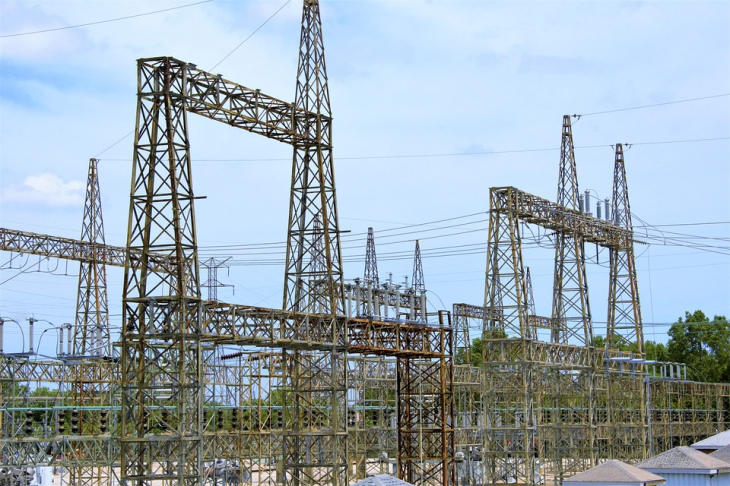
Figure 4: National or interconnected PDCs collect and process data from multiple regional PDCs or large-scale power systems, providing a comprehensive view of the interconnected power grid. Source: Pixabay
Manufacture
The manufacturing process of PDCs generally involves the design, development, and assembly of hardware and software components that enable the PDC to perform its intended functions in WAMS. Here are the main steps involved in manufacturing PDCs:
The first step is to analyze the requirements and specifications of the PDC, considering factors such as communication protocols, data processing capabilities, scalability, security, and interoperability. This analysis helps define the overall system architecture and identify the hardware and software components needed for the PDC. Because of the emphasis on standards and regulations for PDCs, it is imperative that the most up-to-date versions of these standards are taken into consideration.
Based on the requirements, the hardware components are selected or designed. These components may include processing units, memory, storage, communication interfaces, and power supplies. The choice of hardware components depends on factors such as processing capabilities, reliability, power consumption, and cost.
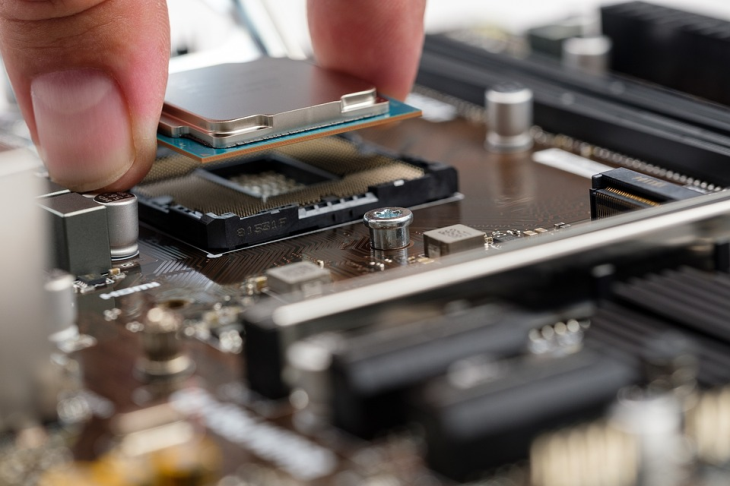
Figure 5: The selected hardware components are assembled to create the PDC's physical structure. Source: Pixabay
The selected hardware components are assembled to create the PDC's physical structure. This assembly process involves connecting the components, such as the processing unit, memory, storage, and communication interfaces, on a printed circuit board (PCB) or within an enclosure. Once the hardware assembly is complete, the PDC undergoes various tests to ensure its functionality, reliability, and performance.
The software components of the PDC are developed, including the firmware that runs on the processing unit, as well as any higher-level software applications for data processing, visualization, and communication. The software should be designed to support standard communication protocols (IEEE C37.118 or IEC 61850) and be capable of handling the required data processing tasks.
The hardware and software components are integrated and tested together to ensure that the PDC functions as intended. This may involve testing the PDC's ability to collect, time-align, process, aggregate, and transmit phasor data from multiple PMUs, as well as its interoperability with other power system devices and applications.
The PDC undergoes quality assurance procedures to ensure that it meets the required specifications and industry standards, such as IEEE or IEC standards. This may involve rigorous testing, inspection, and verification of the PDC's performance, reliability, and safety. In some cases, PDCs may need to obtain certifications or approvals from regulatory authorities or industry organizations before being deployed in power systems.
Once the PDC has passed all tests and certifications, it is packaged and shipped to customers, such as utilities or power system operators, for installation and integration into the power grid. The PDC is then installed at the desired location within the power system, typically in a control center or substation, and connected to the relevant PMUs and other power system devices. The PDC is then commissioned and tested to ensure proper operation and integration with the power system's existing infrastructure.
Applications
PDCs play a crucial role in modern power system monitoring and control. PDCs collect, time-align, process, and aggregate synchronized phasor data from multiple PMUs deployed across the power grid. Some key applications of PDCs in power systems include:
State Estimation
PDCs provide synchronized phasor data that can be used in state estimation algorithms to obtain an accurate and real-time representation of the power system's state, including voltage magnitudes, angles, power flows, and other electrical parameters.
Oscillation Monitoring
PDCs help detect and monitor oscillations in the power system, such as inter-area oscillations, by analyzing the synchronized phasor data. This enables operators to identify potential stability issues and take appropriate corrective actions.
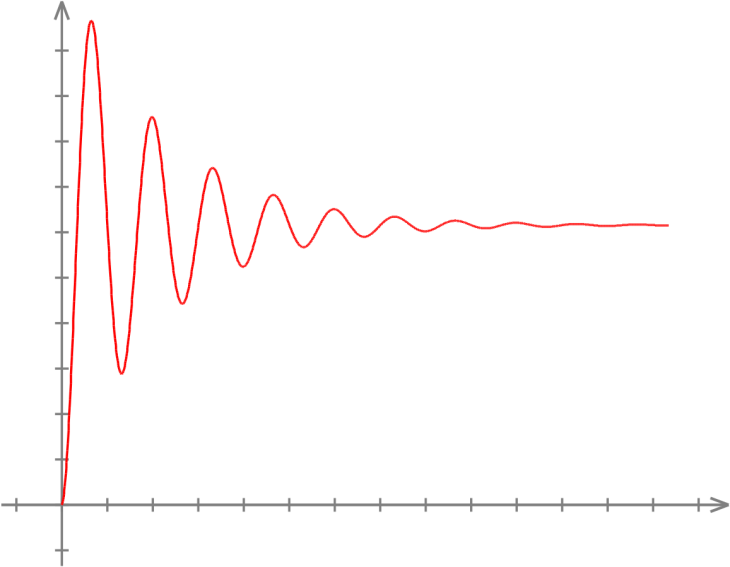
Figure 6: PDCs facilitate the detection and localization of faults in the power system by analyzing the changes in voltage and current phasors during fault events. Source: Crochet.david/CC BY-SA 3.0
Fault Detection and Localization
PDCs facilitate the detection and localization of faults in the power system by analyzing the changes in voltage and current phasors during fault events. This helps operators identify the affected areas, isolate the faulted sections, and restore the system more quickly.
Voltage Stability Monitoring
PDCs can help monitor voltage stability by providing real-time information about voltage magnitudes, angles, and reactive power flows in the power system. This information enables operators to identify potential voltage instability issues and take preventive actions, such as adjusting reactive power compensation devices.
Wide-area Protection and Control
PDCs provide a comprehensive view of the power system's state, which can be used to implement wide-area protection and control schemes, such as adaptive islanding, remedial action schemes, or coordinated generator tripping.
Grid Integration of Renewable Energy Sources
PDCs can help monitor and control the integration of renewable energy sources, such as wind and solar power, by providing real-time information about the power system's state and the impact of these sources on voltage and frequency stability.

Figure 7: PDCs can help monitor and control the integration of renewable energy sources, such as wind and solar power. Source: Pixabay
Post-event Analysis
PDCs can store phasor data for later analysis, allowing operators to investigate past events, such as blackouts or disturbances, and identify the root causes and contributing factors. This information can be used to develop preventive measures and improve system reliability.
These applications of PDCs help enhance the situational awareness, reliability, and control capabilities of power system operators, enabling them to maintain grid stability, optimize system operation, and respond more effectively to disturbances and events.
Standards
Several standards apply to PDCs to ensure reliable and efficient operation, data communication, and interoperability with other power system devices. Because PDCs are critical to maintaining a stable and reliable electrical transmission system, standards are incredibly important. Some key standards associated with PDCs include:
- IEEE C37.118
- IEC 61850
- IEEE 1588 (Precision Time Protocol)
- IEEE C37.244-2013
- IEEE C37.247-2019
IEEE C37.118 was developed by the Institute of Electrical and Electronics Engineers (IEEE) and defines the requirements for PMUs, PDCs, and other devices used in WAMS. It specifies the format, transmission, and accuracy of phasor data, as well as the performance and testing requirements for PMUs and PDCs. The standard can be broken into two main sub-sections: IEEE C37.118.1 and IEEE C37.118.2.
IEEE C37.118.1 focuses on the requirements for synchronized phasor measurements, including the data format, time synchronization, and accuracy of the measurements. It also defines the communication protocol for exchanging phasor data between PMUs and PDCs.
IEEE C37.118.2 specifies the data communication protocol for exchanging phasor data between PDCs and other power system devices, such as control centers or other PDCs. It defines the data format, message types, and communication services for transmitting phasor data, as well as the requirements for data buffering and retransmission.
IEC 61850 was defined by the International Electrotechnical Commission (IEC). This standard defines a comprehensive framework for the communication, automation, and integration of power system devices, including PDCs. PDCs that support the IEC 61850 standard can exchange phasor data and other information with a wide range of power system devices, such as protection relays, circuit breakers, and transformers.
IEEE 1588 is called the Precision Time Protocol because it defines a method for achieving high-precision time synchronization over Ethernet networks. Time synchronization is crucial for maintaining accurate time alignment of phasor data in PDCs. While many PDCs use GPS signals for time synchronization, IEEE 1588 offers an alternative method that can provide similar levels of accuracy and is particularly useful in situations where GPS signals are not available or reliable.
IEEE C37.244-2013 and IEEE C37.247-2019 are both standards that regulate the functional, performance, and testing guidelines for PDCs. IEEE C37.247-2019 further describes the PMU measurement network and indicates the place of the PDC in it. The standard also defines the minimum functions that a PDC should perform and touches on cybersecurity for the network.
PDCs play a critical role in modern electrical power grids. Standards for safety, reliability, and performance help ensure PDCs work as expected whenever they are needed.