Telecommunications Regulation

This section provides a brief overview of the legislative background to the regulation of telecommunications. Readers requiring more detail about legislation and case law should consult one of the legal guides and textbooks, such as References 1 or 2. This is a rapidly moving field. For example, the 1996 Telecommunications Act of the USA revised the previous legal framework drawn from the 1934 Act, while the European Union revised its Open Network Provision (ONP) framework directives from around 1990 in the period 1997 1998, and has done so again in 2002. This new European framework, which comes into effect in July 2003, is summarised in some detail in the Appendix.
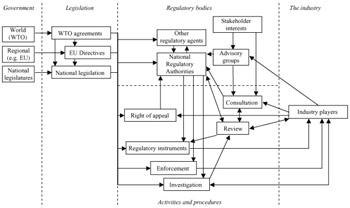
Figure 3.1 provides a schematic overview of the process of telecommunications regulation.
Laws passed by governments define and enable the process of regulation. These laws appoint regulatory bodies and set their terms of reference. They define their objectives, operating principles and accountability, and confer on them powers to take actions. Laws that bear specifically on the telecommunications services industry include [1]:
sector-specific telecommunications law;
competition and fair trading law;
other relevant law, for example concerning privacy, consumer protection and rights to build infrastructure.
Laws are created by national legislatures. Regional law-making bodies, such as the European Union (EU), or world law-making bodies such as the World Trade Organisation (WTO), may also enact relevant provisions. These laws, directives or agreements take force in member...