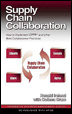
Supply Chain Collaboration: How to Implement CPFR and Other Best Collaborative Practices
In the 1970s, the late Oliver Wight created what he called the "Proven Path." This roadmap of best-practice implementation steps has been a successful method of implementing the most complex of business process transformations as well as new technology. The Proven Path has been used for years for MRP II, ERP, sales and operations planning, and demand management implementations. Today, we are now using the same Proven Path for supply chain collaboration implementations.
The Proven Path name comes from the fundamental fact that, if followed, it works. Implementing business excellence creates an opportunity to change the processes used to manage and operate the business. Success depends on the management of this change through the focused integration of people, processes, and technology. The Proven Path facilitates this change through its structured approach.
The Proven Path approach links improvement initiatives with business strategies and objectives so that your company achieves tangible, measurable operating results that contribute to profitability and competitive position. What makes this approach different from the traditional business process reengineering (BPR) approach is that it leverages off of a world-renowned set of business processes, behaviors, and metrics ( Class A) that have been proven time and again to drive the types of results you seek.
The Proven Path approach reduces implementation risk while simultaneously delivering desired results by combining the power of the ABCD Checklist for Operational Excellence and the Supply Chain Collaboration Checklist (the what) with the power of the Proven Path (the how) to deliver...