MicroGrid Lightning Strike Material
Featured Product from Dexmet® Corporation, a part of PPG’s engineered materials division
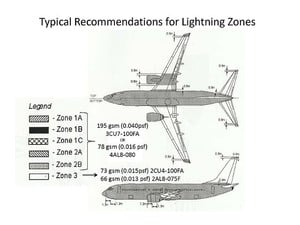
Aircraft Lightning Strike Protection Our copper and aluminum MicroGrid® materials protect composite aircraft surfaces and rotor blades from lightning strikes.
How Dexmet Lightning Strike Materials Protect Carbon Fiber Aircraft Surfaces
Aluminum has been the principal material used in aircraft and aerospace construction for the past 70 years. With the growing interest to construct more efficient aircraft, manufacturers are designing more components out of light-weight composite materials. The new generation of aircraft utilizes carbon fiber for major structures including the fuselage, wing, engine nacelles, flaps, wing tips, and even rotary blades and fuselage on helicopters. Composites, however, are poor conductors of electrical current. Without proper protection, they are susceptible to severe damage in the event of a lightning strike. When Dexmet expanded aluminum and copper MicroGrid® materials are incorporated into the surface of these composite structures, the lightning strike energy is dissipated over the surface of the component, which prevents damage to the composite material below.
MicroGrid® precision expanded metal foils from Dexmet are the materials of choice for lightning strike protection in composite aircraft structures. We've been developing the technology for the last 30 years with all major aircraft OEMs and we have the most configurations available in the industry. Dexmet is the preferred supplier on many of the new generation designs for Airbus, Boeing, Bombardier, Embraer, and the majority of aircraft and rotorcraft manufacturers around the world. Aircraft manufacturers realize the benefits of using Dexmet’s advanced expanded materials over the outdated technology of woven wire and come to Dexmet for technical knowledge when designing new components.
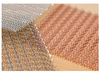
MicroGrid’s single unit structure is superior to woven material in that it won’t unravel or have loose strands that become problematic during processing into a pre-preg material or when conducting a dry lay-up. The homogeneous design also ensures uncompromised conductivity between strands when forming the material to a variety of shapes and contours and provides a smooth surface on the end product. MicroGrid’s biggest advantage is Dexmet’s ability to tightly control the manufacturing process to meet a specific weight, open area, and conductivity requirement. This allows engineers the option of varying materials according to specific strike zones on the aircraft, minimizing the overall weight. Our common materials have the ability to withstand a Zone 1A strike of 200,000 amps.
Click to subscribe to the Dexmet blog and learn more about high-performance expanded metal and polymer applications.
Want more information on expanded metal foils and plastics?
Head on over to our Resources page for product specifications and product sheets!
Follow us on:
Watch>>>Working With Dexmet: Applications
Expanded Solutions for Engineers with Tough Applications
PPG expanded metal foils and polymers are use by some of the world's most recognized companies. Dexmet Corporation is now part of the PPG Aerospace family.
The Right Material for Your Application
Our versatile expanded metal foils and polymers are used by Fortune 500s and leaders across many different industries. When developing applications that require micro-mesh open area materials, developers and engineers turn to Dexmet for the technical experience needed to shorten the development cycle and provide the best performing, highest quality, and most cost-effective products.
We outperform the competition and ensure that our products meet our customers expectations for performance and precision. Our processes are monitored by a AS9100:D and ISO 9001:2015 quality control system to ensure a great product at a great price.