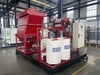
Slaughterhouse Sludge Dewatering
Featured Product from KINTEP NEW POWER

Challenges of treating slaughterhouse wastewater and sludge:
- High organic load — Extremely elevated BOD and COD levels (often 2,000–10,000+ mg/L) overwhelm biological treatment systems.
- High FOG content — Fats, oils, and grease cause clogging of pipes, pumps, and equipment while inhibiting microbial activity.
- High suspended solids — Includes blood, proteins, hair, and meat scraps, leading to poor settleability and high sludge volumes.
- Nutrient overload — Elevated nitrogen and phosphorus levels increase eutrophication risk and complicate nutrient removal.
- Pathogens and odors — Presence of bacteria and strong odor generation pose health and public nuisance issues.
- Variable composition — Fluctuating flow rates and pollutant concentrations reduce treatment stability and efficiency.
- High sludge production — Difficult dewatering and costly disposal due to high solids and organic content.
- Regulatory and cost pressures — Strict discharge limits and high energy/chemical requirements drive up operational expenses.
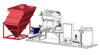
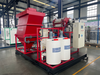
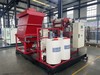
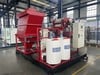
Multi-disk Screw Press:
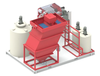
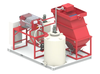
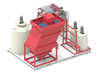
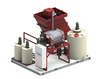
Integrates an automatic control cabinet, sludge thickening and dewatering unit, and a liquid collection tank. Under fully automatic operation, it enables efficient flocculation and continuous sludge thickening and dewatering, allowing the collected filtrate to be recirculated or discharged.
Application Case in slaughterhouse sludge project:
Model: KTDL352 2 Sets
Inlet Sludge Moisture: 98.5%
Outlet Mud Cake Moisture: 82%
Advantages:
- Small footprint
- Low energy consumption, not prone to clogging, and capable of handling various sludge concentrations: traditional equipment cannot process low-concentration sludge, is easily clogged, and has high energy consumption. Screw press: low energy consumption, less than 5% of a centrifuge. Self-cleaning and not easily clogged. Capable of handling solid concentrations from <0.2% to >4%.
- Water saving: less than 0.1% of a belt press
- Automatic program control: 24-hour unattended automatic operation
- Low running speed, vibration & noise: less abrasion, long lifespan.