Papermaking Wastewater Clarification and Dewater
Featured Product from KINTEP NEW POWER
Papermaking Wastewater Treatment Challenges:
-
High suspended solids and fiber content
-
Chemical variability
-
High COD and color
-
Sludge disposal pressure
-
Corrosion and scaling
-
Water reuse quality control
-
Energy and chemical costs
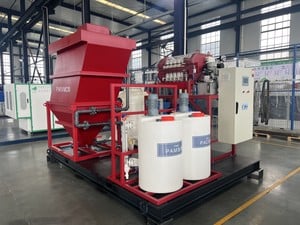
System Configuration:
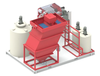
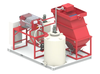
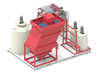
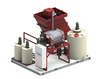
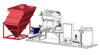
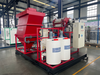
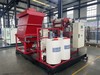
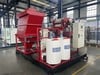
- Reaction System: Chemicals are optimally dosed to coagulate and flocculate the fine suspended solids, preparing them for removal.
- Sedimentation System - Lamella Clarifier: separates sludge from the clarified water with high efficiency. Filtratde is clear for water reuse in the production.
- Sludge Dewatering System - Filter Press: Dewaters the collected sludge, transforming it into solid, low-moisture cakes for easy disposal or transport. Filtratde is clear for water reuse in the production.
- Control System: PLC automates the entire process for consistent, hands-off operation.
Features:
- Full PLC Automation: Ensures consistent treatment quality, reduces labor costs, and minimizes human error. The system runs reliably 24/7 with minimal operator intervention. Optional automatic filter cloth washing function available.
- Compact, Skid-Mounted Design: Drastically reduces the footprint and simplifies installation. The pre-assembled unit is easy to transport and can be flexibly relocated as factory layouts change.
- High Efficiency: For inorganic sludge, 1 m² of filter press area produces approximately 1.5 m³ of sludge cake per 24 hours. For organic or mixed sludge, each filter press cycle is as short as 30 minutes, sludge cake moisture content below 70%, and 1 m² of filter press area produces approximately 700 L of sludge cake per 24 hours.
- Superior Performance: German imported key components guarantee stable performance under variable load conditions and longer lifespan. High-quality water for reuse, low-moisture sludge, lowering disposal costs.
- Low Energy and Costs: Optimized processes and efficient components keep operational power costs to a minimum, improving the total cost of ownership.
- Anti Corrosion: Built with materials resistant to corrosive/acid/alkaline wastewater, enhancing the system's durability and longevity, and reducing maintenance needs.