Textile Wastewater Clarification and Dewatering
Featured Product from KINTEP NEW POWER

Textile Wastewater Challenges:
-
High color and turbidity, difficult to treat with conventional processes
-
High COD and BOD loads from dyes, auxiliaries, and finishing chemicals
-
Presence of toxic and recalcitrant compounds (e.g., heavy metals, azo dyes)
-
High salinity and varying pH levels
-
Large volume and fluctuating flow rates
-
Sludge handling and disposal costs
-
Strict discharge regulations and environmental compliance
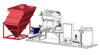
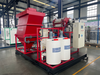
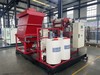
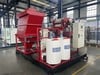
Multi-disk Screw Press:
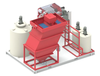
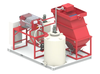
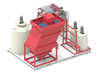
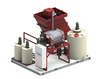
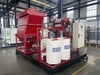
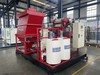
Integrates an automatic control cabinet, sludge thickening and dewatering unit, and a liquid collection tank. Under fully automatic operation, it enables efficient flocculation and continuous sludge thickening and dewatering, allowing the collected filtrate to be recirculated or discharged.
Advantages:
- Small footprint
- Low energy consumption, not prone to clogging, and capable of handling various sludge concentrations: traditional equipment cannot process low-concentration sludge, is easily clogged, and has high energy consumption. Screw press: low energy consumption, less than 5% of a centrifuge. Self-cleaning and not easily clogged. Capable of handling solid concentrations from <0.2% to >4%.
- Water saving: less than 0.1% of a belt press
- Automatic program control: 24-hour unattended automatic operation
- Low running speed, vibration & noise: less abrasion, long lifespan.