Capillary Aging: Causes and Solutions
Featured Product from Suntech Applied Materials (Hefei) Co.,Ltd
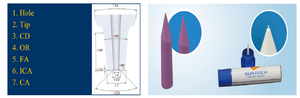
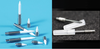
Capillary aging in wire bonding is a significant challenge, affecting the quality and reliability of solder joints. Over time, capillaries accumulate wear and contaminants, leading to deterioration in performance. Engineers and professionals working with wire bonding must be aware of the causes of capillary aging and adopt strategies to extend capillary life.
By addressing the root causes of aging, such as wear on the capillary end face and contamination buildup, engineers can reduce the impact of aging on solder joints. Proper material properties, optimized machine parameters, and contamination control measures can help mitigate wear and ensure consistent bonding quality. These strategies not only improve solder joint integrity but also contribute to cost-effectiveness by extending capillary lifespan.
Key Features and Applications:
Root Causes Identification
- Capillary aging is primarily caused by wear on the capillary end face and contamination accumulation.
Wear Mitigation
- Enhance capillary material properties.
- Refine production processes.
- Optimize machine parameters to minimize wear on the capillary end faces.
Contamination Control
- Improve material transportation systems.
- Implement ion cleaning for wire frames.
- Maintain cleanliness in the wire bonding environment to reduce contamination.
Prolonged Capillary Life
- Collaboration between manufacturers and customers is essential to research methods that extend capillary lifespan, ensuring cost-effectiveness and consistent bonding quality.
By employing these strategies, engineers can improve the longevity and performance of capillaries, ensuring better wire bonding results. Professionals involved in selection, research, or production of wire bonding equipment should leverage these insights for enhanced outcomes.